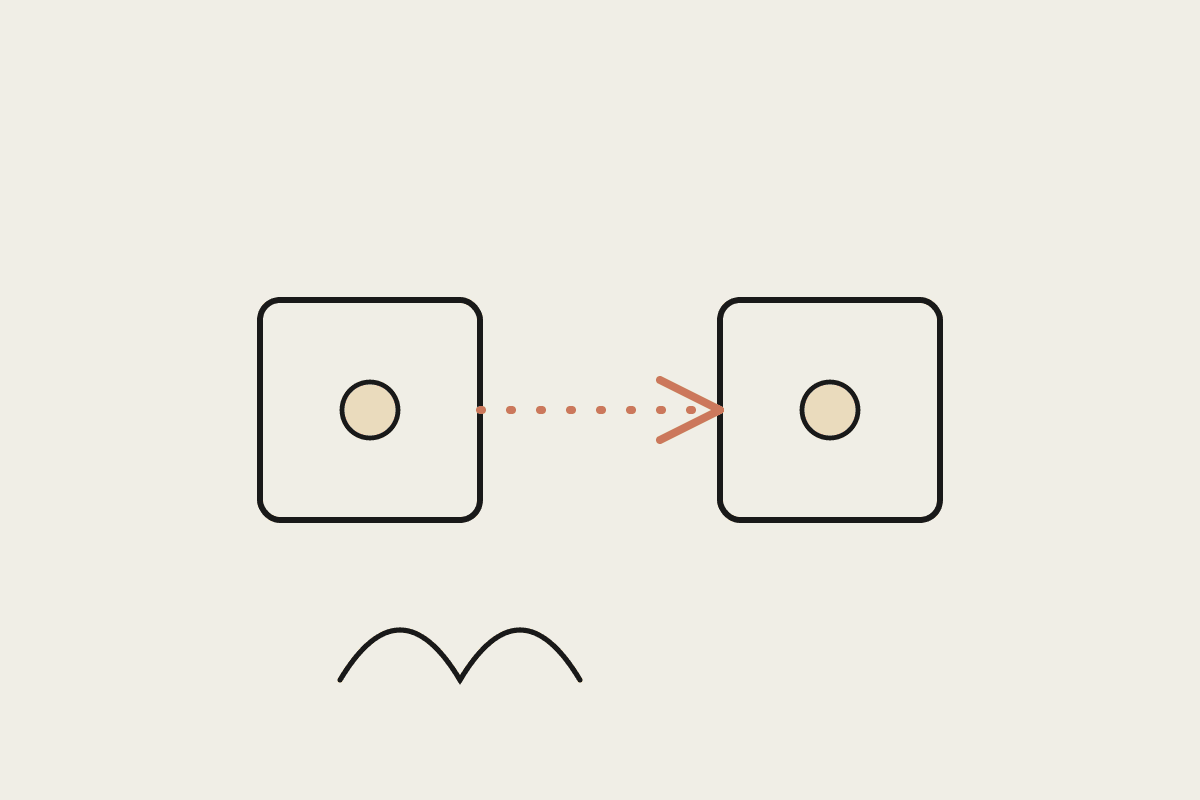
Most Model Context Protocol servers built for Claude start life as a thin wrapper around someone else's API. Xero, HubSpot, Notion, an internal database, whatever the integration calls out to has its own published rate limit, and that limit was set with a single human user in mind, not a Claude agent that can fire off forty tool calls in twelve seconds. The gap between how these APIs were designed to be used and how an agent actually uses them is where most production MCP servers fail first.
Why MCP servers hit rate limits a human user never would
A person clicking through Xero's UI to reconcile invoices makes maybe two or three requests a minute. A Claude Code agent working through the same reconciliation task, calling a bookkeeping MCP server in a loop, can generate that same request volume in under a second. Multiply that by a team: at a mid-size engineering group where more than 30 people now run on Claude Max against a shared internal MCP server, request bursts can land an order of magnitude higher than anything the underlying API's rate limit was designed to absorb. The API doesn't know or care that the requests are coming from an agent instead of a person. It just starts returning 429s.
This is not a hypothetical for Australian teams shipping MCP integrations right now. A bookkeeping practice in Sydney running Claude Code against a shared Xero-backed MCP server can burn through a daily API quota in a single busy afternoon if the server has no local rate accounting. Once that quota is gone, every accountant on the team loses Xero sync until the ceiling resets, and the practical cost of that lockout, measured in lost billable hours across a six-person team, lands somewhere around $2,400 for the day.
The failure patterns that show up in production
Five patterns account for almost every rate-limit outage we see in MCP servers built without a backoff strategy:
Retries with no delay. The server hits a 429, retries immediately, hits another 429, and keeps hammering the API until either the client gives up or the upstream service blocks the server's IP address entirely.
No jitter on retries. Even a correct exponential backoff schedule can synchronise every client onto the same retry moment, so the API sees a stampede of simultaneous requests exactly when it is already under pressure.
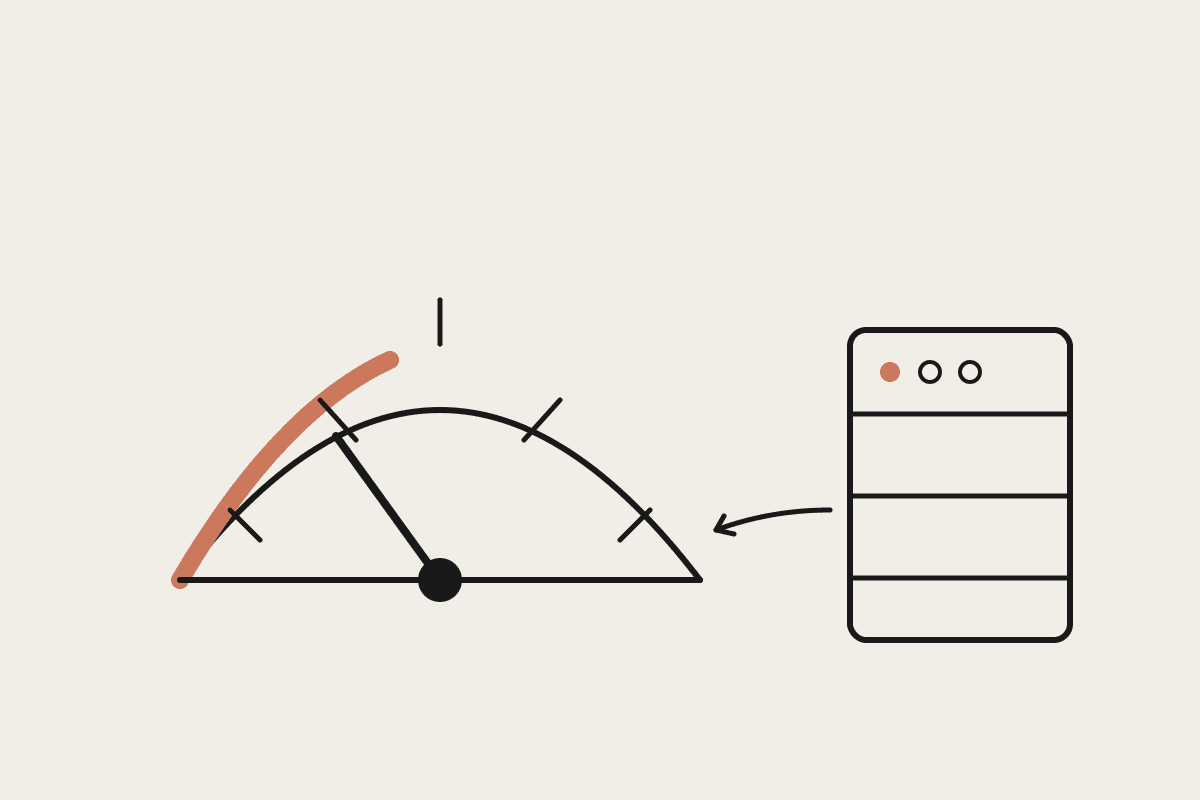
No local token bucket. The server has no idea how close it is to the API's published ceiling until the API tells it with a 429, at which point the damage to the current agent run is already done.
Swallowed errors. A failed call gets caught, logged nowhere useful, and returned to Claude as an empty but successful result. The agent has no way to know the data it just received is wrong, and it builds the rest of its reasoning on a false premise.
No distinction between transient and permanent failures. A 429 (temporary, worth retrying) and a 401 (permanent, retrying will never help) get treated identically, so the agent burns its retry budget on errors that will never resolve.
A backoff pattern that holds up under real load
None of the fixes here are exotic. They are the same patterns any production API client has needed for a decade, applied specifically to the shape of traffic an MCP server generates.
Exponential backoff with full jitter. Each retry waits roughly double the previous delay, with randomness added so simultaneous clients don't retry in lockstep. A typical schedule starts around 500 milliseconds and caps out around 30 seconds after five or six attempts.
Respect Retry-After. Most well-behaved APIs, including Xero and HubSpot, send a Retry-After header on a 429. Reading and honouring that header beats guessing at a backoff schedule every time.
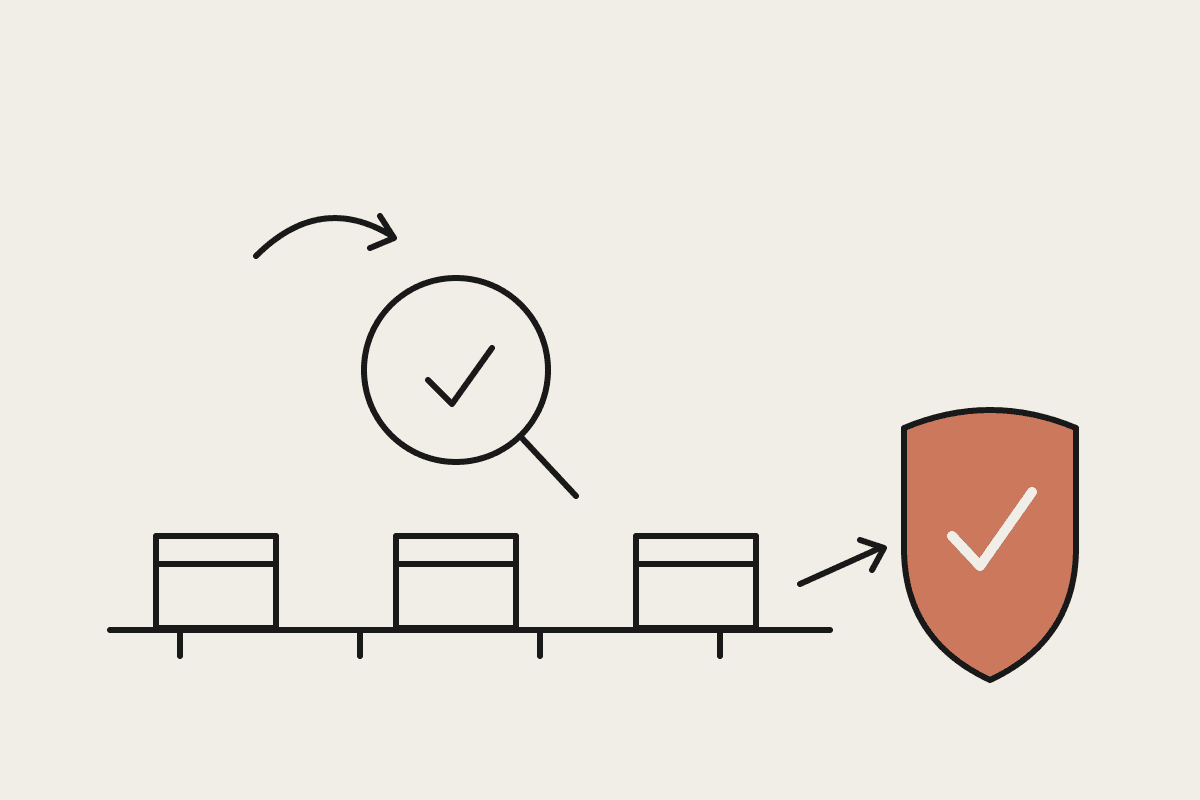
A local token bucket per connector. Track your own call budget against the API's published limit and throttle proactively, before the API has to tell you to slow down.
A circuit breaker with a cool-down window. After a run of consecutive failures against one connector, stop calling it for a fixed period and fail fast instead of queuing up more doomed requests.
Structured errors back to Claude. Return a clear, typed error the agent can reason about, rather than an empty success. An agent that knows a tool call failed can retry, ask a human, or change its plan. An agent that thinks a tool call succeeded cannot.
What this costs to get wrong
The direct cost of a missing backoff strategy is usually smaller than the trust cost. An MCP server that quietly returns empty or wrong data during a rate-limit event doesn't just slow an agent down, it can send Claude down a reasoning path built on bad information, and the person relying on that output has no way to know it happened. For an Australian firm putting Claude in front of client-facing workflows, that is a harder problem to recover from than an outage the team can see and explain.
Building this without over-engineering the server
Most MCP servers don't need a distributed rate limiter or a message queue. A single-process token bucket per downstream connector, an exponential-backoff-with-jitter retry wrapper around outbound calls, and a circuit breaker that trips after five consecutive failures cover the overwhelming majority of production traffic patterns. Log every 429 and every circuit-breaker trip with the connector name and retry count attached, so the pattern is visible on a dashboard before it becomes an outage a client has to report to you.
The teams that get this right treat the MCP server the same way they would treat any other piece of production infrastructure calling a third-party API: rate limits are a known constraint to design around, not a surprise to firefight after launch. Building that discipline in from the start costs a fraction of what a senior back-end engineer would charge to retrofit it later, and it is the difference between an MCP server a team can trust with a client's Xero data and one that needs babysitting every time an agent has a busy day.
If you're building or hardening an MCP server for a Claude Cowork or Claude Code rollout and want a second set of eyes on the rate-limiting and backoff design before it hits production, book a time with Automata AI and we'll walk through it together.