Every general practice in Australia runs a small billing help desk it never meant to open. Patients call to ask why they were charged a gap, whether their visit was bulk billed, or what a rejected Medicare claim means for the money they have already paid. Reception answers these questions between checking patients in, managing the phones, and chasing Services Australia. The queries repeat, the answers rarely change, and the cost stays hidden inside everyone's day.
One Sydney practice manager estimated her front desk spent close to 12 hours a week on billing questions alone. Over a year that is roughly $18,000 in wages spent explaining item numbers and gap fees. Add the claims that quietly go unbilled, or never get resubmitted after a rejection, and the annual figure for a mid-sized clinic can pass $45,000. None of it is dramatic. Most of it is avoidable.
What first-line support actually means
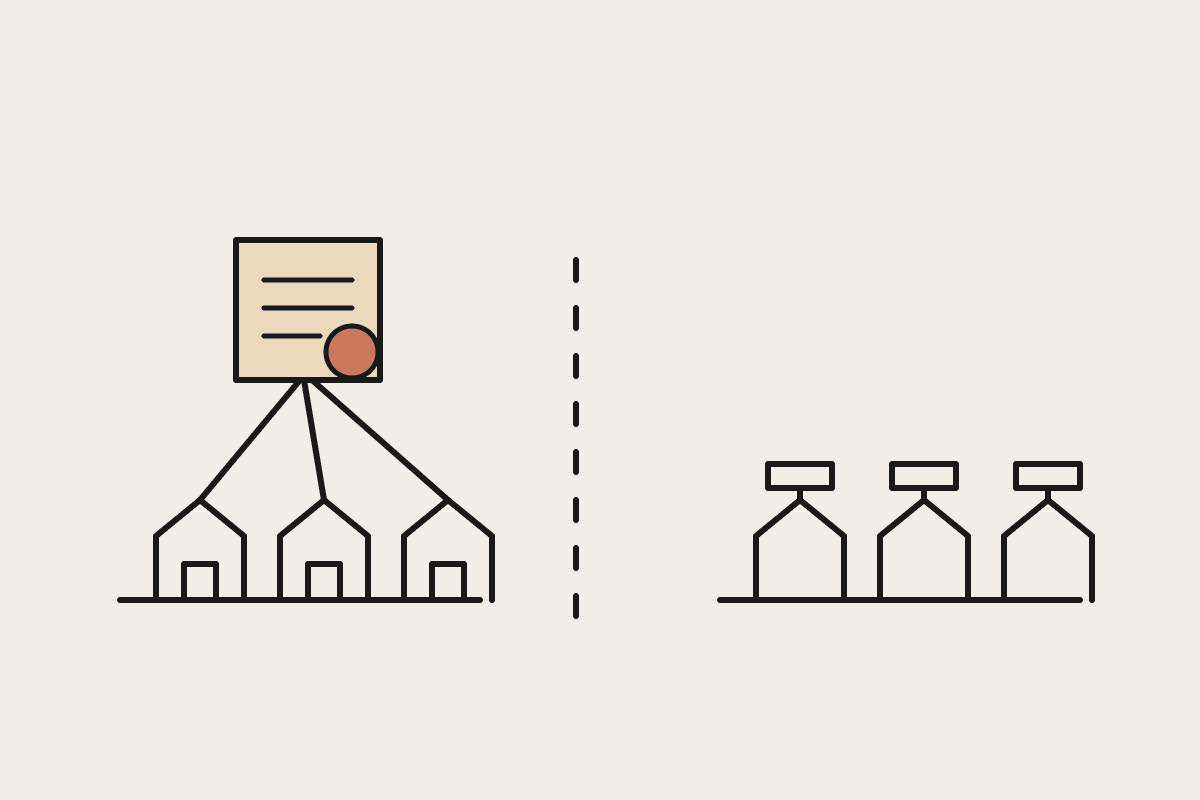
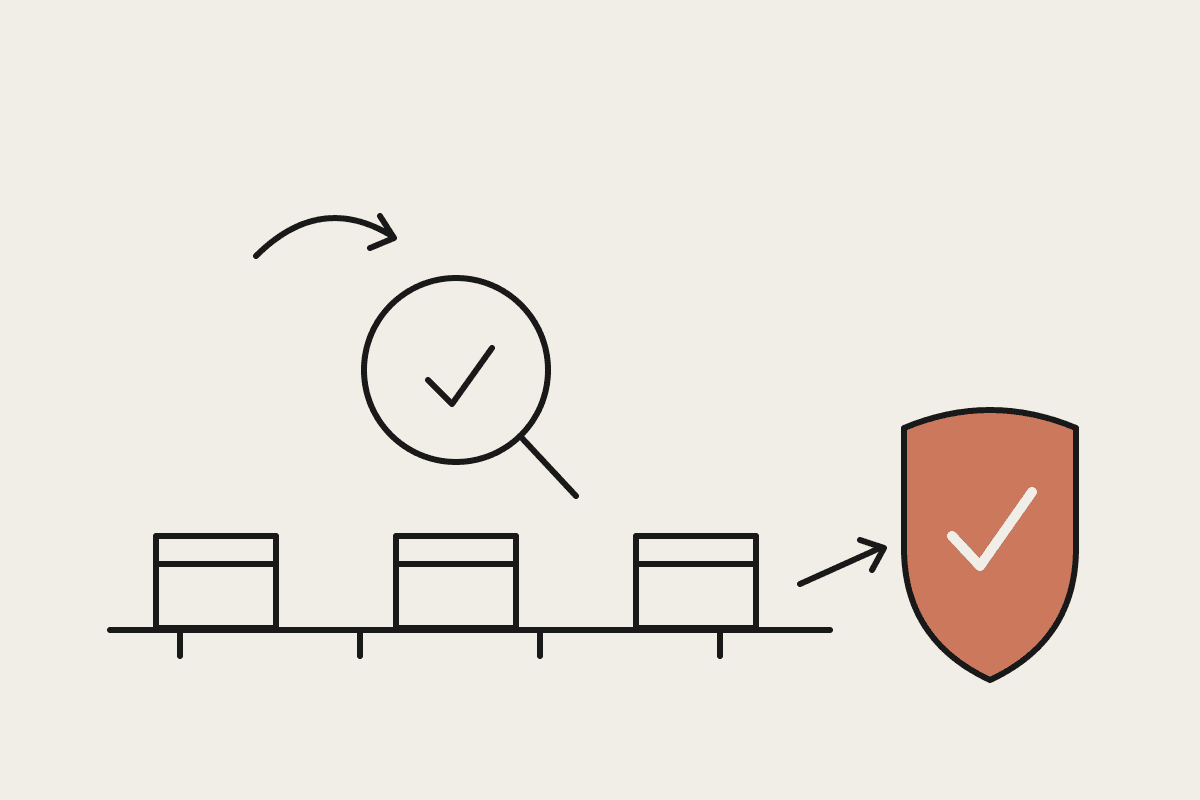
Claude works as a first-line drafter, not a decision-maker. It reads an incoming billing query, finds the relevant explanation in your own policy or a Medicare Benefits Schedule reference you provide, and writes a clear reply in plain English. A staff member reads that draft, confirms it is right, and sends it. Claude does not submit claims to Medicare, does not choose clinical item codes, and never gives a patient a final answer about their money without a person signing off first.
Here is what that looks like at the front desk. A patient emails to ask why they paid $42 for a visit they thought was free. Claude reads the message, checks your clinic's policy on which appointment types are bulk billed and which attract a private fee, and drafts a short, plain reply that names the specific reason, such as the appointment running as a long consult that your practice does not bulk bill outside a concession category. Your receptionist reads it, agrees, and sends. The patient gets a clear answer in minutes instead of a callback the next day.
The point is speed on the routine questions, so your team keeps its judgement for the cases that actually need it. A reply that used to take two minutes of typing becomes about fifteen seconds of review, and every patient hears the same explanation rather than a slightly different one depending on who picked up the phone.
Where Claude fits in a GP clinic's billing workflow
A handful of tasks show up in almost every practice we work with:
Explaining MBS item numbers in plain language, so reception can tell a standard consult from a long consult or a care plan item without hunting through the schedule.
Drafting patient replies about gap fees, bulk billing eligibility, and why a private fee applied on a given day.
Reading a rejection reason from Services Australia and suggesting the likely fix, such as a missing referral, a wrong item number, or a duplicate claim, for a human to action.
Drafting the follow-up when a claim needs resubmitting, so nothing sits in a rejected pile for weeks losing its value.
Turning your practice billing policy into consistent answers, so every patient hears the same thing from every staff member.
Summarising a week of billing questions into themes, so the practice manager can see what patients keep getting confused about and fix the root cause.
The cost of getting billing wrong
Billing errors are not only a service problem. Under-claiming leaves money on the table, and over-claiming creates compliance exposure no practice wants. Incorrect Medicare claiming is taken seriously in Australia, and a pattern of errors can trigger a review. A first-line drafter that always points staff back to your own approved policy reduces the odds of an off-the-cuff answer that becomes a problem later. Consistency is the quiet benefit that compounds across a year of claims.
The guardrails that keep it safe
Health information is sensitive under the Privacy Act 1988 and the Australian Privacy Principles, so the setup matters. Claude should work from de-identified query text and your own reference documents, not live patient records, unless you have the right controls and agreements in place. It drafts; qualified staff decide. Clinical coding stays with the people trained to do it, and Claude never offers medical advice of any kind.
This keeps the tool on the right side of both compliance and good practice. Patients still deal with a real person for anything that touches their care or their money. Claude removes the slow, repetitive typing that sits underneath the reply, and nothing more.
A sensible rollout for an Australian practice
Start narrow. Load your billing FAQ and a short cheat-sheet for your most common MBS items, then pilot Claude on the ten questions your front desk answers most. Keep a human reviewing every reply for the first month, and track how much reception time comes back. Most clinics find the drafts are accurate enough that review, rather than writing, becomes the job.
The maths is easy to check for your own clinic. If your front desk spends ten hours a week on billing questions at a loaded cost near $35 an hour, that is about $18,000 a year. Cutting even half of that time returns close to $9,000, before you count the revenue recovered from claims that no longer slip through. For most practices the tool pays for itself inside the first quarter.
From there you can widen the scope to rejection triage, policy-consistent responses, and weekly query summaries. The goal is not to take people out of billing. It is to give a small team its hours back and to stop revenue leaking through unclaimed items. If you want to map this to your own practice, you can book a short planning session and we will scope it with you.