Australian manufacturers sit on a deep well of data: machine logs, quality records, supplier documents, and maintenance histories that rarely get read in full. Open-source AI models improved enough through 2026 that running some of this analysis on infrastructure you control is now realistic. The useful question is not whether open-weight models are good, because many of them clearly are. It is where they actually help a factory and where a managed model like Claude is the better and cheaper tool.
Where open-source models fit on the factory floor
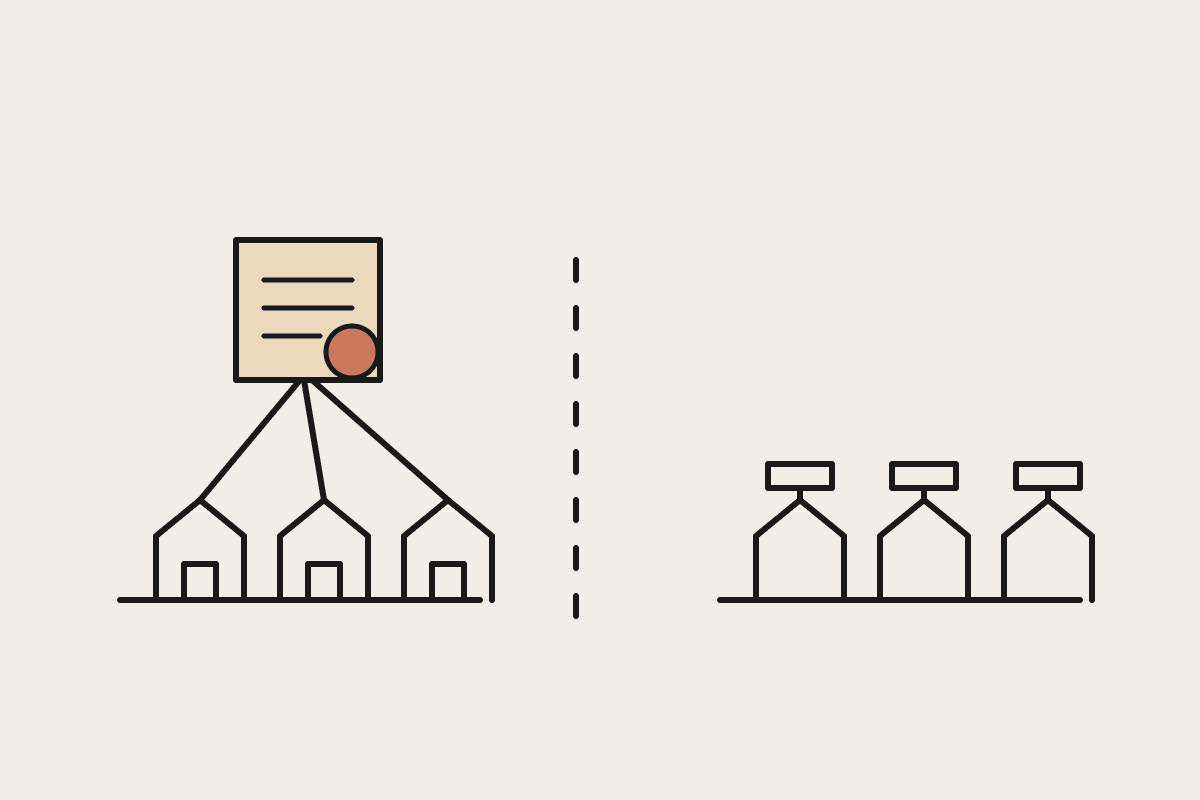
Open-weight models such as Qwen 3, DeepSeek, and the newer MiniMax M3 can run on hardware a manufacturer owns. That matters when production data is commercially sensitive or tied to a customer contract that limits where information can travel. A model running inside your own network keeps that data on site while still doing useful work, which removes one of the biggest objections a cautious operations manager will raise.
The tasks that pay off first tend to be narrow and repetitive:
Summarising machine and maintenance logs to surface recurring fault patterns before they turn into unplanned downtime.
Drafting standard operating procedures from existing documentation and the notes that live in people's heads.
Reading inbound supplier quotes and pulling pricing into a single comparable format a buyer can scan in seconds.
For a plant in Western Sydney or regional Victoria with a firm rule that production data stays on site, a self-hosted open-weight model can keep that data inside the building and still cut hours of manual work each week. The appeal is real, but so is the upkeep, which is where the next decision comes in.
Where a managed model earns its keep
Running your own model is not free of effort. It needs hardware, ongoing maintenance, and someone to keep it patched and secure. For most mid-sized manufacturers, the practical pattern is a managed model for everyday work and self-hosted open weights reserved for the genuinely sensitive tasks.
We build manufacturing client systems on Claude, from Anthropic, because it handles mixed and messy inputs reliably and needs no GPU fleet to maintain. A typical split looks like this:
Claude through an API for customer enquiries, quoting, and general document work.
A self-hosted open-weight model for production data that must stay onshore.
A clear boundary between the two so staff always know which tool handles what.
This division keeps the maintenance burden small while still giving you an onshore option for the data that truly needs it. It also means a single failed server never stops the everyday work, because the routine tasks keep running on the managed side.
Counting the cost of a first project
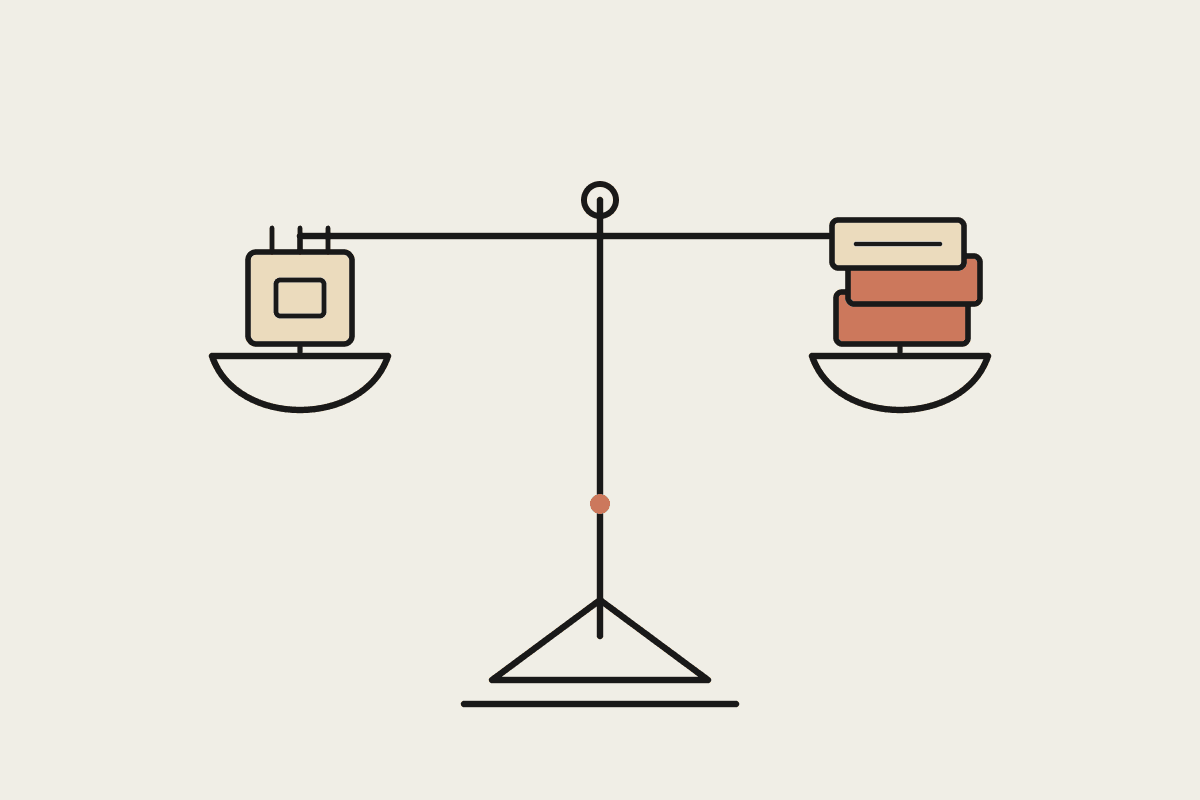
A good first project for a manufacturer is usually narrow. Automating the reading of inbound supplier documents, for example, can remove hours of manual entry every week. A pilot of that scope typically runs $10,000 to $20,000 to build and pays back through saved admin time within a few months.
Compare that with the cost of standing up a full self-hosted platform, which can run past $100,000 once hardware, security, and engineering time are counted. A team that processes a steady, high volume of documents might justify that spend later. Most should prove the value on a small managed pilot first and expand from a result they can measure, rather than commit $100,000 to infrastructure before the workload has earned it.
Compliance and traceability
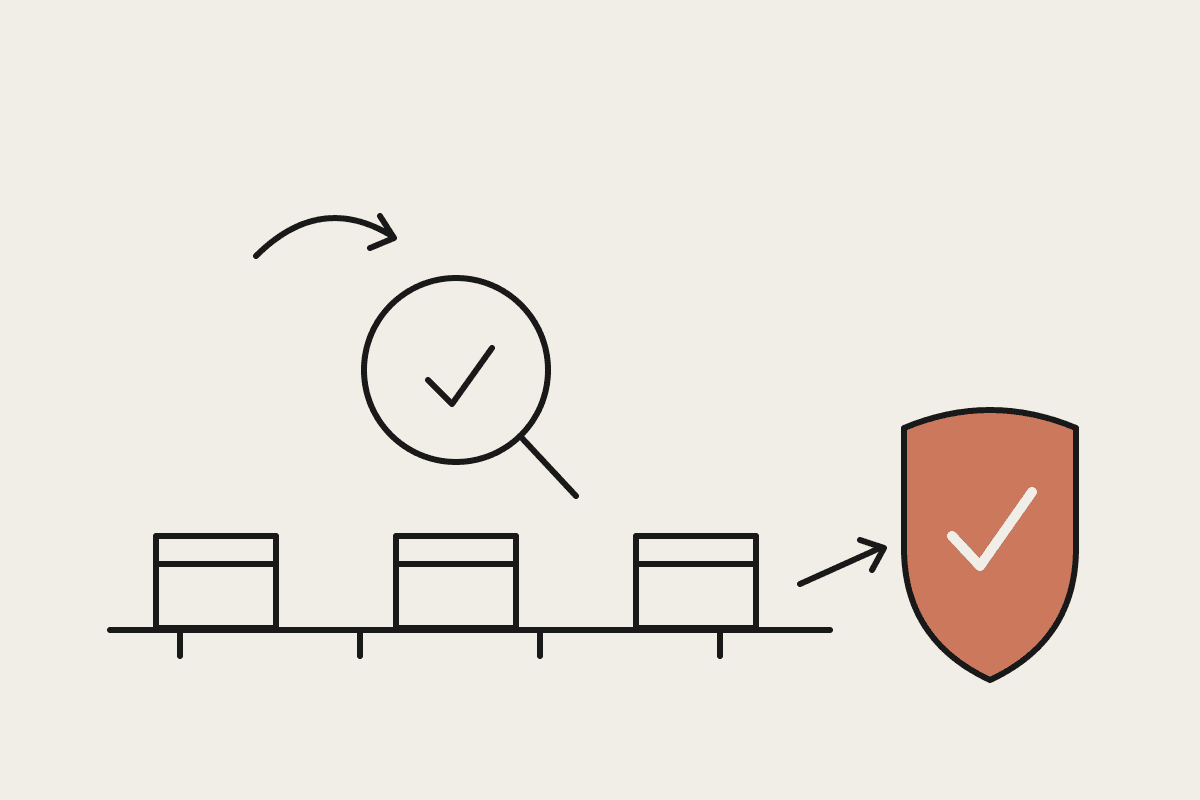
Australian manufacturing carries real compliance weight. Records tied to safety, export, or customer quality standards need traceability, and personal information about staff or customers falls under the Privacy Act. Any AI system you build should respect both rather than treat them as an afterthought.
In practice that means a few habits baked in from the start:
Log what the model did on each task so you can show the trail to an auditor or a customer who asks.
Keep a person in the loop to check output before it counts as a record or a decision.
Hold sensitive production and personal data in the most controlled option available, onshore where a rule requires it.
None of this is heavy once it is designed in. Retrofitting it after a system is already live is the expensive path, so it belongs in the first build and not the second.
A sensible starting point
Manufacturers do best when they start with one painful, repetitive task and measure the result. The choice between open-source and a managed model is not all-or-nothing. Use open weights where data control demands it, use a managed model like Claude where reliability and low upkeep matter, and let the workload make the call rather than the marketing.
If you want help mapping which factory tasks suit which model, book a brainstorm and we will size a first project with you.