Real estate in Australia runs on words. Listings, follow-up emails, vendor reports, and inspection notes all consume agent time that could go into deals and clients instead. AI can hand a real share of that time back. The model you choose shapes both the cost of doing it and the risk that comes with it, so the decision deserves more thought than picking whichever tool is trending this month.
Where agencies actually save time
The clearest wins sit in the daily grind of writing, which is exactly where agents lose hours they never get back.
Drafting listing copy and several ad variations from one set of property facts
Writing prompt, personalised follow-up emails to enquiries and past clients
Summarising inspection notes, building reports, and market updates
Preparing routine vendor reports and weekly campaign updates
These are repeatable tasks that follow clear patterns, and a model handles them well with light human review. The agent stays in control of tone and accuracy while the first draft writes itself, which turns a blank page into a quick edit rather than a half-hour job.
Matching the model to the job
Not every task needs the same tool. Matching the model to the work keeps both cost and risk in check, and it stops a business paying premium rates for jobs a cheaper option does perfectly well.
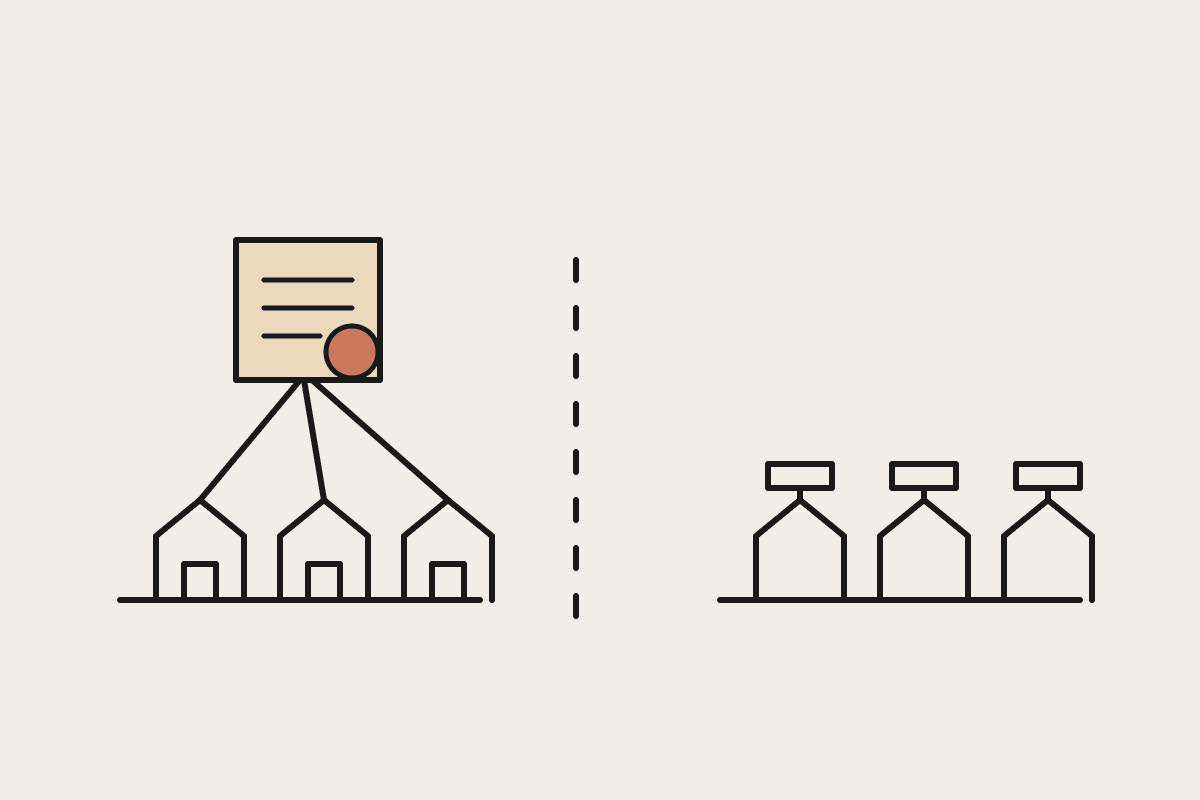
High-volume listing copy can run cheaply on an open source model
Client communication is safer on a managed model like Claude, where reliability matters most
Anything containing personal data needs handling that meets the Privacy Act
Negotiation-sensitive messages deserve the most reliable option you have
A sensible split puts bulk internal drafting on the cheaper path and keeps anything a vendor or buyer reads on the model you trust to get tone and facts right every time.
What open source really asks of an agency
Running an open source model in-house sounds appealing until you count what it takes to do it safely. Most agencies are not set up for it, and that is not a criticism, it is simply the shape of the business.
Little or no in-house IT to run and patch a model server
Sensitive vendor, buyer, and pricing data that must be protected
Privacy Act duties for the personal information agencies hold in volume
No spare capacity to fix a system that fails on a Saturday auction day
A self-hosted setup for a small agency can cost $40,000 a year once compute, security, and someone to mind it are counted. For most offices that money buys complexity they did not need, when a managed build delivers the same writing gains without the operational load.
Keeping vendor and buyer data safe
Agencies hold a lot of personal information, from buyer finances to vendor circumstances, and that data carries real duties under the Privacy Act. An AI workflow has to respect that from the first day rather than bolt it on later.
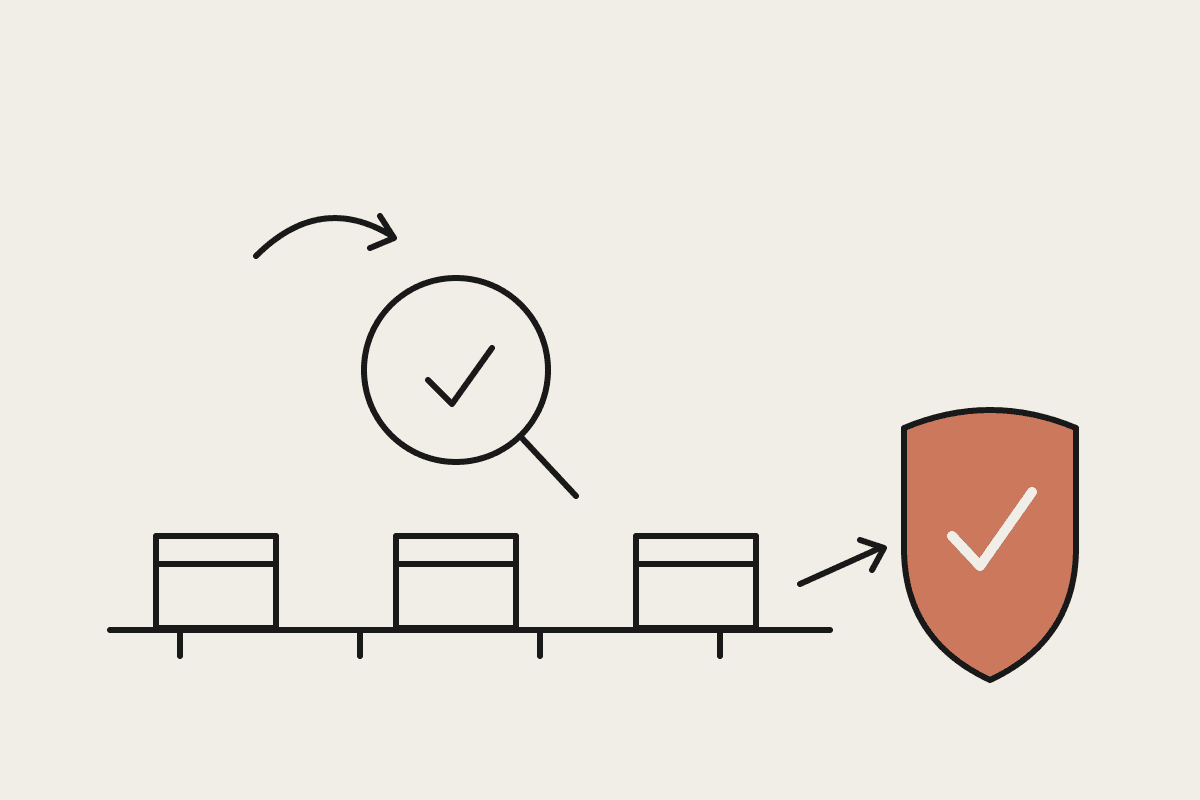
Keep a simple record of what data goes to which model and why
Avoid putting identifying client details into a low-control open model
Use a managed model with clear data handling for anything sensitive
Write the rules down so every agent follows the same line
These steps are not heavy. A one-page policy that ties data sensitivity to model choice covers most of the risk, and it gives the principal something to show if a vendor or a regulator ever asks how their information is handled.
The payoff in plain numbers
The point of all this is time, and time in real estate has a clear dollar value. A small Sydney agency can recover dozens of agent hours a month, time worth well over $5,000 once you price it at what an agent actually earns on commission. A focused automation build captures that quickly and pays for itself within a single selling season.
Automate the high-volume drafting first, where the hours add up fastest
Keep client-facing messages on the reliable model to protect the brand
Track agent hours saved across one campaign to prove the return
Across a year, an agency in Sydney or Melbourne can free up time worth $60,000 or more, redirected from admin into listing and selling. That is the case that makes the next step easy to fund.
A first build that pays quickly
Agencies do best when they start where the time loss is largest and the risk is lowest, then expand once the value is obvious.
Automate listing copy and follow-up drafts before anything sensitive
Keep negotiation and vendor-facing messages on the most reliable model
Measure the hours saved over a single campaign, then decide the next move
This order shows a return within one selling season, which makes the case for going further far easier with the principal and the team. We design automation around how an agency already works, with Claude as the default for anything a vendor or buyer will read and open source where it genuinely earns its place on high-volume internal drafting. Start small, prove it on real listings, and book a brainstorm at our contact page to map the first build to your agency's real workflow.