Most Australian businesses thinking about open source AI do not need another opinion piece. They need a number: what will it cost to find out whether an open model can do the job? A pilot answers that question, but only when it is scoped, budgeted, and time-boxed from the start. Open-ended pilots drift into expensive science projects. Tight ones buy a decision.
This guide sets out what a sensible open source AI pilot costs in Australia in 2026, where the money actually goes, and the traps that turn a $15,000 exercise into a $60,000 one.
What a pilot should actually prove
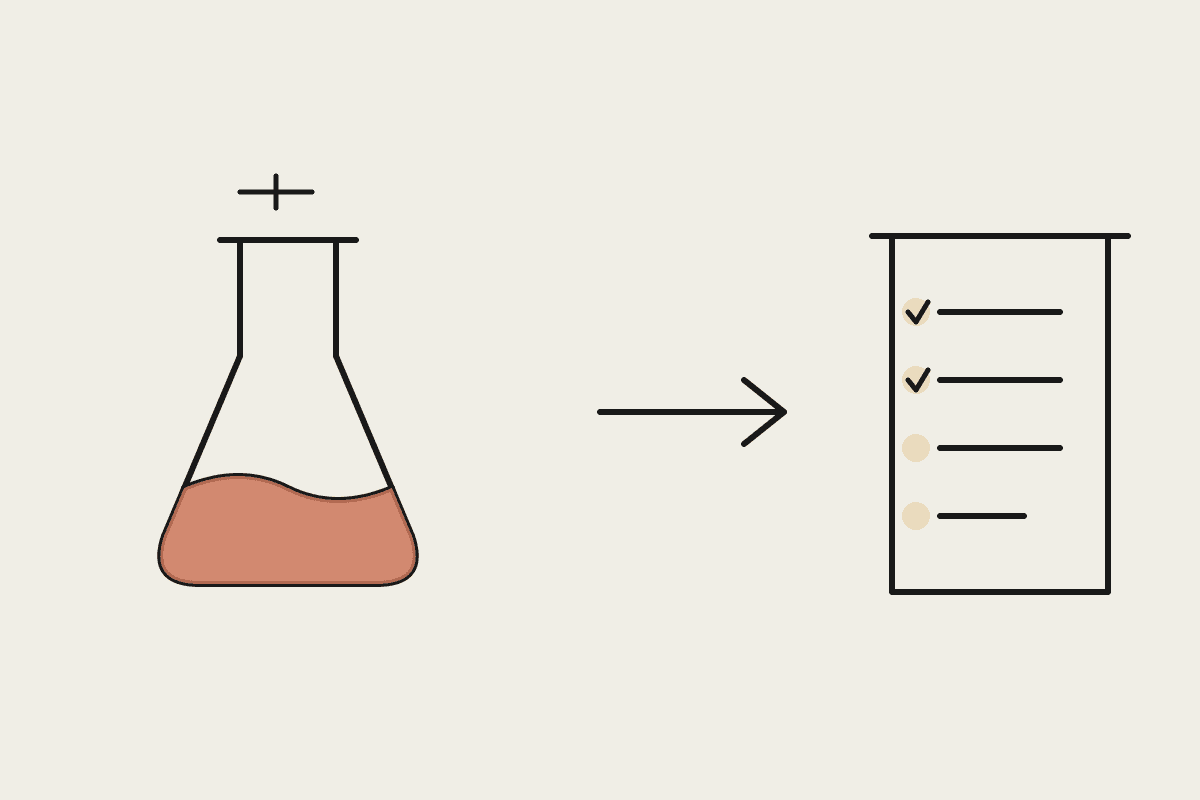
A pilot is a decision tool, not a demo. Benchmarks published by model vendors tell you how a model performs on someone else's tasks. The only test that matters is how it performs on yours, at your volume, with your data and your team.
Does the model handle your real tasks to a standard your staff would accept?
What does it cost at your actual, measured volume rather than a hypothetical one?
Can your team support the system once the pilot engineers walk away?
How does it compare against a managed option like Claude on identical work?
What would a production rollout cost, and who would own it?
If a pilot cannot answer these five questions, it is a demonstration. Demonstrations are useful for raising enthusiasm and useless for allocating budget.
A realistic budget for a six-week pilot
For a mid-size Australian business, a focused open source pilot typically runs four to six weeks and lands between $12,000 and $20,000, with $15,000 a sensible planning figure. That covers scoping, environment setup, testing against agreed criteria, and a written recommendation at the end.
The figure assumes a narrow scope: one or two use cases, a defined test set, and cloud GPU hire rather than hardware purchase. Pilots that try to test everything at once cost three times as much and conclude nothing.
Where the money goes
A typical $15,000 pilot breaks down roughly like this.
Scoping and success criteria workshops: around $2,000, and the best-spent money in the whole budget
Environment setup and model deployment on hired cloud GPUs: $3,000 to $4,000
Cloud GPU hire for the test period: $1,500 to $3,000 depending on model size
Structured testing against your real tasks and data: $4,000 to $5,000
Side-by-side comparison runs against Claude on the same test set: $1,000 to $2,000
Written recommendation with production cost projections: around $1,500
Note what is missing: hardware purchase. A pilot should never buy GPUs. Cloud hire lets you test a 70-billion-parameter model for weeks for less than the cost of a single workstation card, and you walk away clean if the answer is no.
The costs that blow out pilot budgets
Most pilot blowouts in Australia come from the same handful of causes, and all of them are avoidable at the scoping stage.
Scope creep: a second team hears about the pilot and adds their use case mid-flight
Data preparation surprises: the test data turns out to need weeks of cleaning before any model sees it
Compliance review arriving late: privacy and security sign-off requested after testing starts rather than before
Fine-tuning ambitions: tuning a model is a project in itself, not a pilot line item
No finish line: without agreed success criteria, the pilot keeps running because nobody can say it is done
Privacy review deserves particular attention. If the pilot touches personal information, your Privacy Act obligations apply during the pilot, not just in production. Getting that review done in week one costs a few hundred dollars of someone's time. Getting it done retroactively can stall the whole exercise.
Comparing open source and Claude on the same work
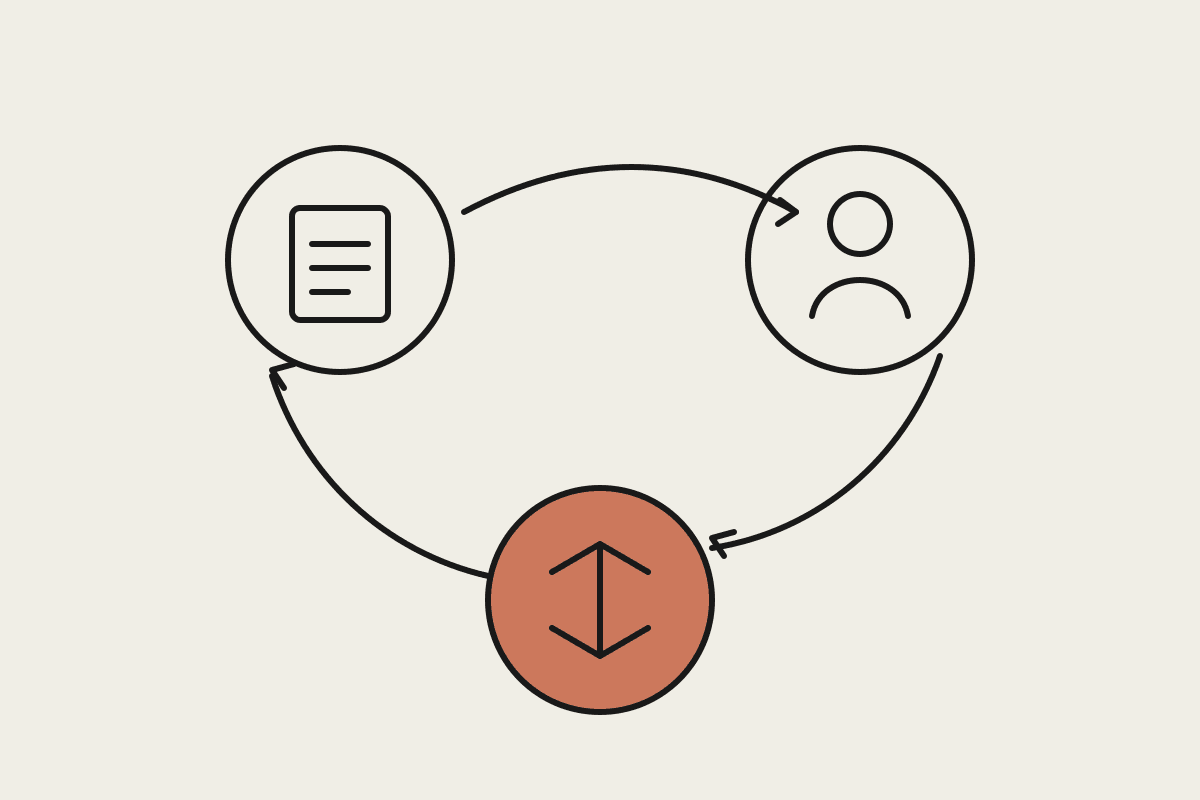
The most valuable line item in the budget is the side-by-side comparison. Running Claude against the open model on an identical test set typically adds $1,000 to $2,000 in API spend and consulting time, and it turns the recommendation from a one-sided assessment into a real decision.
The comparison often surprises people in both directions. Some teams discover the open model is entirely adequate for their narrow task and the economics favour self-hosting at their volume. Others discover that the gap on their hardest 10 per cent of cases is exactly where the business value sits, and that a managed Claude build reaches production months sooner for less total cost. Either finding is worth far more than the $15,000 it cost to obtain.
Success criteria to set before you start
Agree the pass marks before any model is deployed. Write them down. The criteria do not need to be elaborate, but they need to exist.
Task quality: the model handles the agreed tasks to a standard named reviewers accept
Cost: projected production cost at measured volume comes in under an agreed ceiling
Reliability: error and failure rates stay below thresholds your operations team set
Supportability: your team can restart, monitor, and update the system without outside help
Decision: a named person reads the recommendation and makes the call by an agreed date
The last item matters more than it looks. Pilots without a named decision-maker produce reports that sit unread while the team quietly returns to business as usual. Spending $15,000 to avoid a wrong commitment that could run past $200,000 over its life only works if someone actually makes the decision.
What to do next
If you are budgeting a pilot for the next quarter, start with the scoping workshop and the success criteria, not the model selection. The model is the easy part. We scope and run these pilots for Australian businesses from Sydney to Perth, always with a Claude baseline in the comparison and a plain written recommendation at the end. Book a brainstorm session and we will help you put a number on it before you commit a dollar.