Customer support is usually the first place an Australian business points AI at, and for good reason: the volume is high, the questions repeat, and the cost of a human-only queue grows with every new customer. The model choice shapes both the cost and the customer experience, and those two pull in different directions.
Open source models look free on paper. Claude carries a per-token bill. The honest answer for most support teams is neither one nor the other but a split: open models doing quiet work in the back office, Claude handling anything a customer actually reads. Here is the business case in plain terms.
Where open models earn their keep
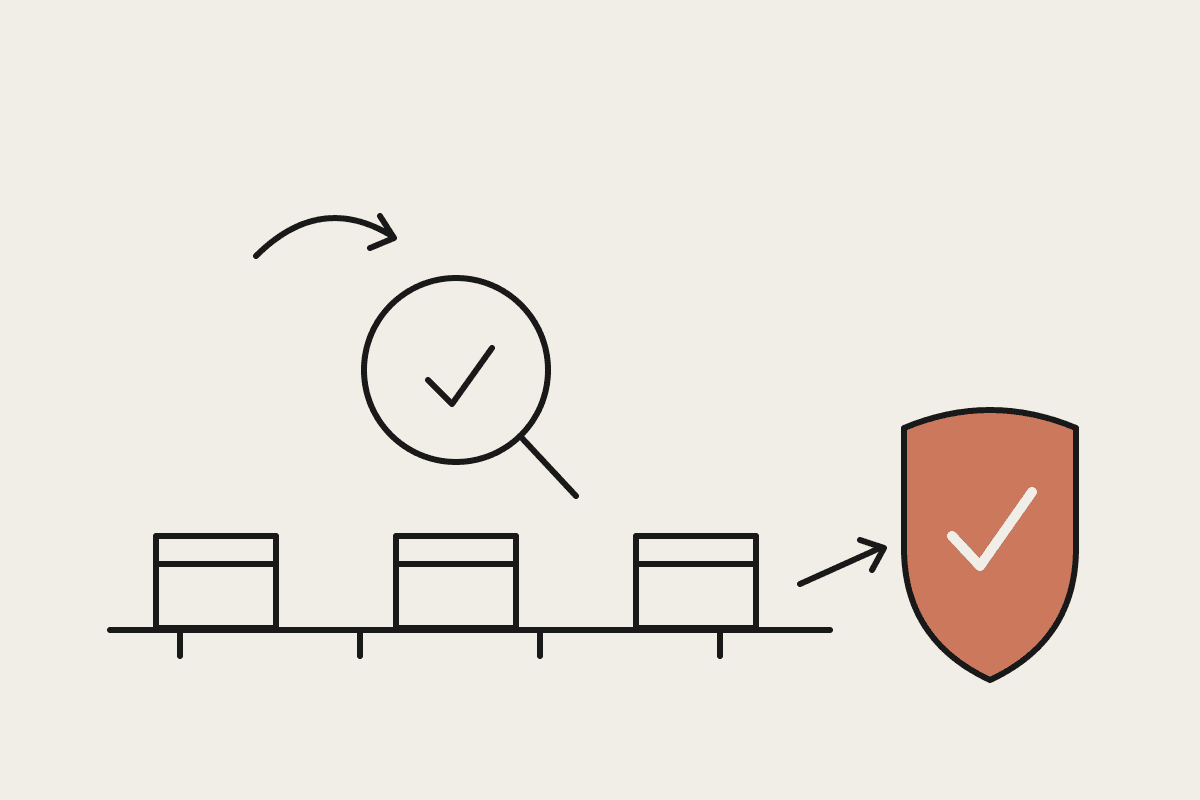
Some support tasks tolerate an open model well, especially the ones that happen behind the scenes where a human still checks the output before anything ships.
Drafting suggested replies for an agent to review and edit
Sorting and routing incoming tickets to the right team
Summarising long conversation threads so agents catch up fast
Tagging and prioritising tickets by topic and urgency
In these supporting roles an occasional imperfect output is caught before it reaches a customer. The error cost is a few seconds of agent time, not a damaged relationship, so the cheaper model is the rational choice.
Where Claude is the safer bet
Direct customer contact raises the stakes. Once a reply goes out unedited, reliability stops being a nice-to-have and becomes the deciding factor.
Accurate, on-brand replies that ship without human review
Careful handling of sensitive customer data under the Privacy Act
Steady behaviour when a conversation turns difficult or emotional
Consistency that protects the brand across thousands of tickets
Claude was built with this kind of judgement in mind, which is why we put it on the front line. A support bot that stays calm, declines gracefully, and never invents a refund policy is worth more than its token bill suggests.
The real economics
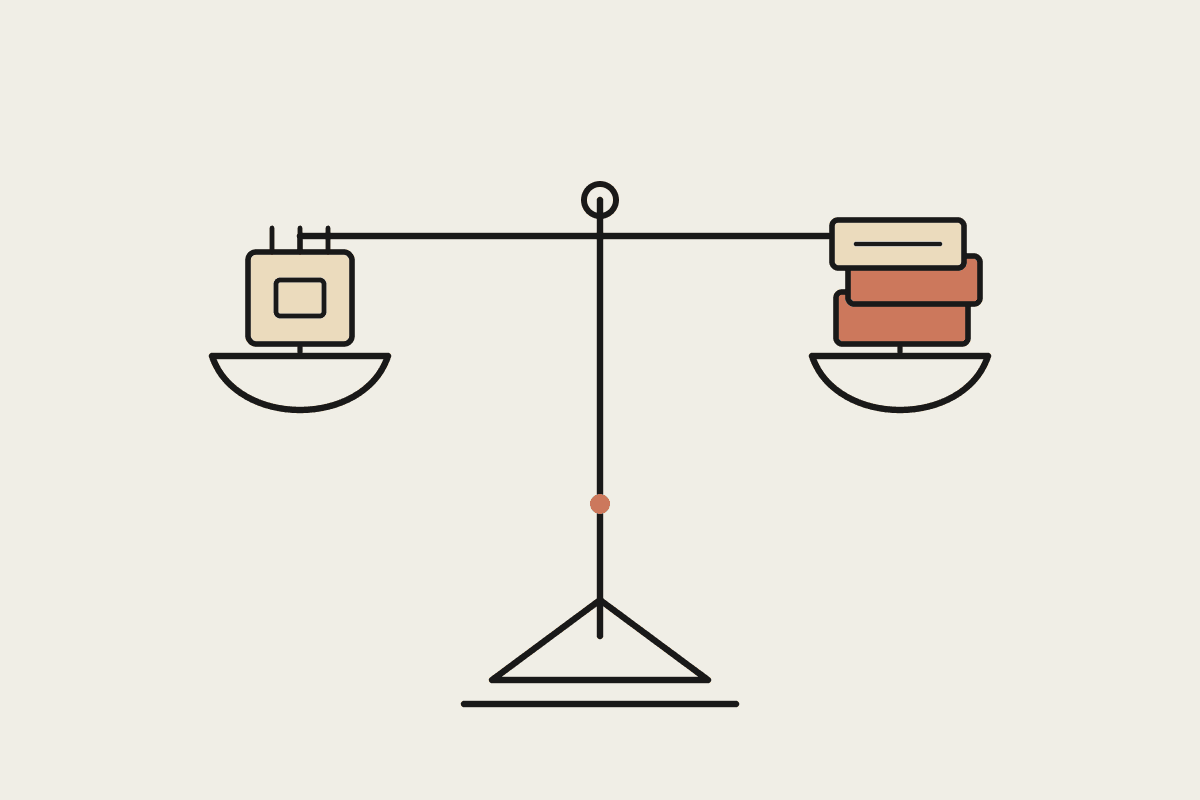
Free open source is not free in production. Self-hosting a capable model on Australian infrastructure typically runs $2,000 to $4,000 a month in GPU hosting before you count the engineering time to keep it patched, monitored, and behaving. That is a meaningful slice of a support budget for a Sydney or Melbourne SMB.
The bigger number sits on the other side of the ledger. A poor support bot that frustrates customers can easily cost an Australian business $50,000 a year in churn, complaints handling, and lost goodwill. On the front line, reliability pays for itself many times over.
Price the whole workflow, not the token
Include hosting and engineering time for self-hosted models
Count the cost of an error that reaches a customer
Measure cost per resolved ticket, not cost per reply
There is also the engineer question. Running an open model in production needs someone who can tune it, watch it, and fix it at 11pm when it starts repeating itself. In the Australian market that skill set costs $120,000 a year or more, and most SMB support teams do not have it sitting spare. A managed model removes that hidden salary line entirely.
A split design that works
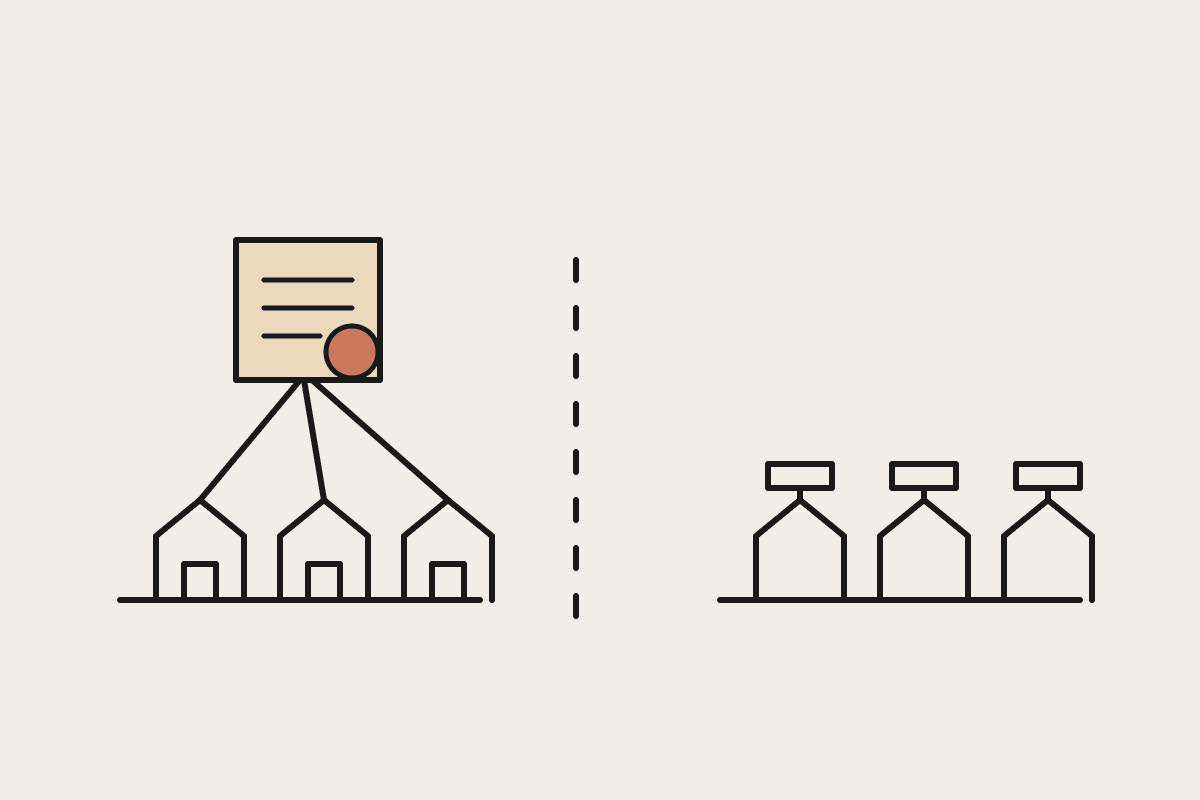
The pattern we deploy for Australian support teams keeps each model where its failure mode is affordable. Open models read, sort, and summarise. Claude writes anything customer-facing. A human owns the escalation path for the conversations that matter most.
Open models in review-and-route roles behind the scenes
Claude wherever replies go out unedited
A clear human handover for refunds, complaints, and edge cases
Customer satisfaction tracked alongside deflection rate
Support automation is judged by the customer, not the dashboard. A deflection rate of 60 percent means nothing if a third of those deflected customers quietly leave.
Common mistakes to avoid
Most support automation failures we see in Australian businesses trace back to a handful of avoidable decisions made early.
Choosing a model on token price alone
Letting an unreviewed open model talk directly to customers
Measuring deflection instead of satisfaction
Ignoring where customer data is processed and stored
Treating the model choice as permanent and never reviewing it
What this means for Australian businesses
Australian support teams carry obligations that make the front-line choice heavier than it looks. The Privacy Act applies to customer conversations, and a model that mishandles personal information creates regulatory exposure on top of the brand damage. The savings in a well-designed support stack come from the back office, not from gambling on the front line.
If a support team handling 3,000 tickets a month moves routing and summarisation to an open model and keeps Claude on customer-facing replies, the blended cost usually lands well below either a pure-Claude or a pure self-hosted setup, without putting a single unreviewed open-model reply in front of a customer.
None of this is a permanent verdict. Open models improve every quarter, and the right answer is a design you review twice a year, not a flag you plant once. The split architecture makes that review cheap: swap the back-office model whenever a better one lands, and leave the customer-facing layer alone until something genuinely earns the switch.
Talk to a Claude specialist
Automata AI is a Sydney-based consultancy that builds support automation with Claude on the front line and open models behind the scenes where they lower cost without raising risk. If you are weighing up the options, book a 30-minute brainstorm and we will map the design that fits your ticket volume and budget.