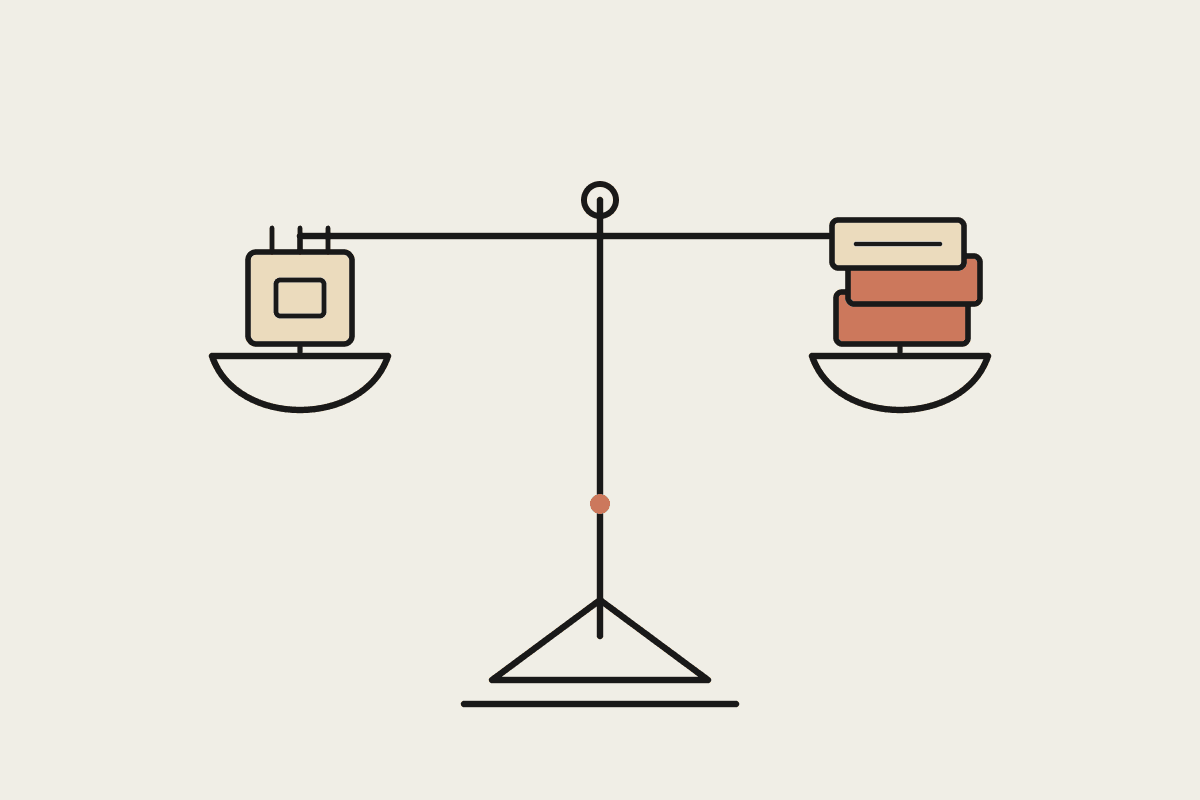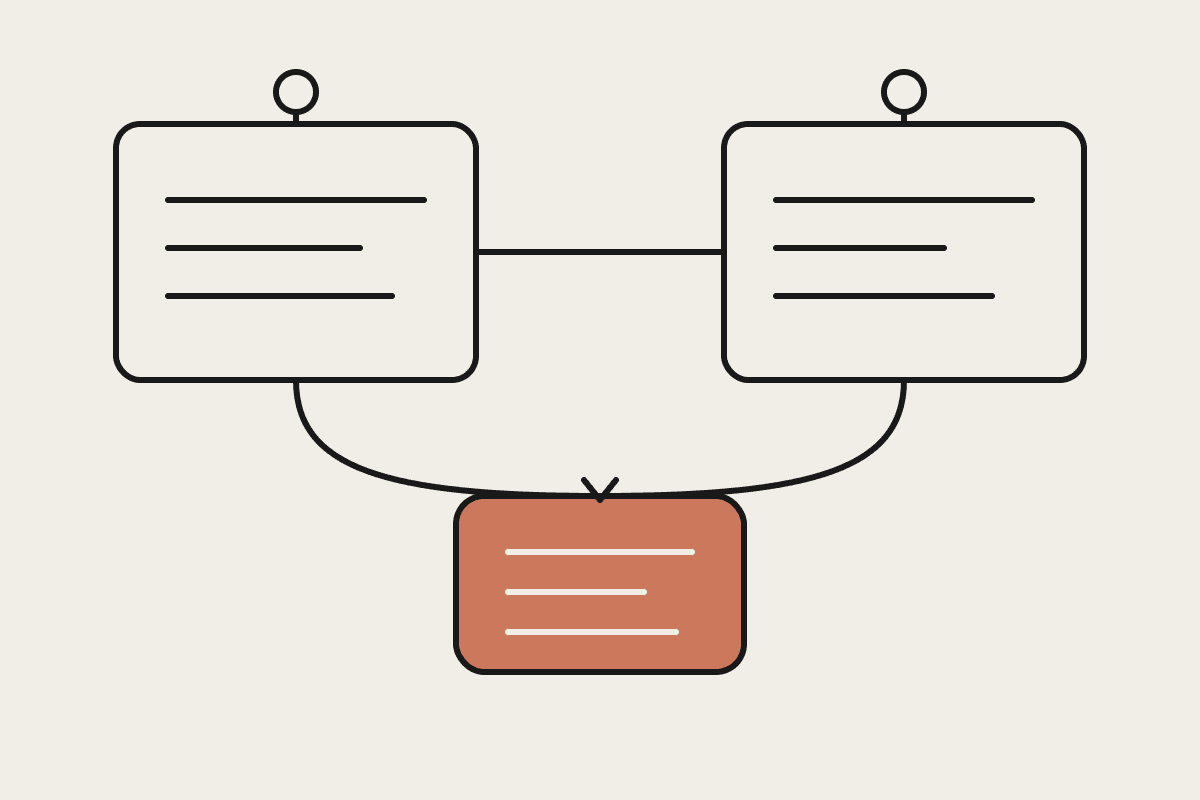
Fine-tuning an open model on your own data sounds like the path to a bespoke advantage. Sometimes it genuinely is. More often, a simpler method reaches the same result faster and at a fraction of the cost, which matters for an Australian business watching every dollar. This guide walks through when fine-tuning earns its place, what it actually costs, and the cheaper paths worth testing first.
What fine-tuning actually does
Fine-tuning takes an existing open model, such as Llama, Qwen, or Mistral, and continues training it on examples drawn from your own work. The aim is to shift the model's default behaviour so it matches your tone, your formats, and your domain without being told every time. That is a real capability, and for the right task it produces output that prompting alone cannot match. The catch is that you are changing a moving target: every time the base model is updated, your tuned version has to be rebuilt and re-tested.
When fine-tuning is the right call
There are genuine cases where fine-tuning is the correct tool rather than the impressive one. They tend to share a few features.
A narrow domain with consistent, repeatable tasks the base model handles poorly
A large, clean dataset you are actually allowed to use under your contracts and the Privacy Act
A measured quality gap that prompting and retrieval cannot close
A workload stable enough to justify rebuilding the tuned model after each base upgrade
When most of these hold, fine-tuning can lift quality in a way nothing else will, and the investment pays back over a long-lived, high-volume task.
The cheaper alternatives worth testing first
Before committing to a tuning project, it is worth proving that the lighter options are not already enough. For a large share of Australian SMBs, they are.
Retrieval-augmented generation, which feeds the model your own documents at query time
Careful prompting with a handful of well-chosen worked examples
A managed model such as Claude with a well-designed context and clear instructions
A small evaluation set that tells you, in numbers, whether the simple path clears your quality bar
Retrieval in particular solves the problem most teams think they have. When people say the model does not know our business, they usually mean it cannot see our documents, not that it needs its weights changed. Pointing it at the right source material fixes that at a fraction of the cost and upkeep.
Counting the real cost
A proper fine-tuning project rarely comes in cheap once every line is counted. Data preparation is the largest and least glamorous part: collecting examples, cleaning them, removing anything sensitive, and labelling the rest. Add compute for training runs, a held-out evaluation to prove the result, and the ongoing work of rebuilding when the base model moves.
Data collection, cleaning, and de-identification, often the biggest single line
Training compute, which is cheaper than people expect but easy to repeat
Evaluation and quality assurance before anything reaches a customer
Maintenance as the base model and your own needs change over time
Counted honestly, a first fine-tuning project can reach $40,000, and a more ambitious one across several tasks can pass $120,000 once a specialist's time is included. Retrieval over the same documents frequently reaches a comparable outcome for well under a quarter of that.
Handling Australian business data safely
Fine-tuning bakes your training examples into the model's behaviour, which makes data handling a serious matter rather than an afterthought. If personal information goes into the training set, it can surface later in ways you did not intend, and that carries real obligations.
De-identify personal information before it ever enters a training set
Confirm your right to use the data under client contracts and the Privacy Act
Keep a record of what went into each model version for audit purposes
Decide where training and hosting happen, since data residency affects your compliance position
A Sydney firm tuning a model on client records, for example, has to treat the training data with the same care as the live system. This is one reason a managed Claude build with strong data controls is often the steadier choice for sensitive work.
A sensible sequence
The order of operations matters as much as the decision itself. Most Australian businesses do best by exhausting the cheap options before funding the expensive one.
Define the task and the quality bar you actually need to hit
Try retrieval and strong prompting, then measure the result against that bar
Only fine-tune when the simpler paths clearly fall short and the task justifies the upkeep
Budget for data work and maintenance, not just the training run
We test the cheap path first and fine-tune only when it clearly pays, keeping Claude as the default where a managed model already meets the need. If you are weighing a fine-tuning project, book a session and we will help you cost it honestly before you commit.