Healthcare in Australia runs on trust and strict privacy duties. Open source models promise local control of patient data, which is genuinely appealing in a clinical setting where confidentiality is the whole foundation of care. That promise only holds when the controls around the model are built properly from the first day, rather than bolted on after something has already reached a patient record. The model you pick matters less than the way you govern it.
Where AI helps a provider first
The safest place to begin is where the downside is small and the value lands quickly. These tasks save staff hours every week without putting any patient information near a model, and they let a team learn how the tool behaves on familiar work.
Drafting non-clinical administrative correspondence and notices
Summarising internal policy and procedure documents
Helping staff search internal knowledge bases and manuals
Preparing rosters, templates, and routine paperwork
Starting here builds staff confidence and a clean track record before any patient data enters the picture. It also gives a provider real numbers on time saved, which makes the next, more careful step far easier to fund and to justify to a board that will rightly ask hard questions about risk.
The privacy obligations that change the maths
Patient data raises the bar sharply, and the obligations are not optional. A practice that wants to put clinical information anywhere near a model needs to satisfy several duties at once, and a regulator will expect evidence rather than assurances.
Compliance with the Privacy Act and applicable health records legislation
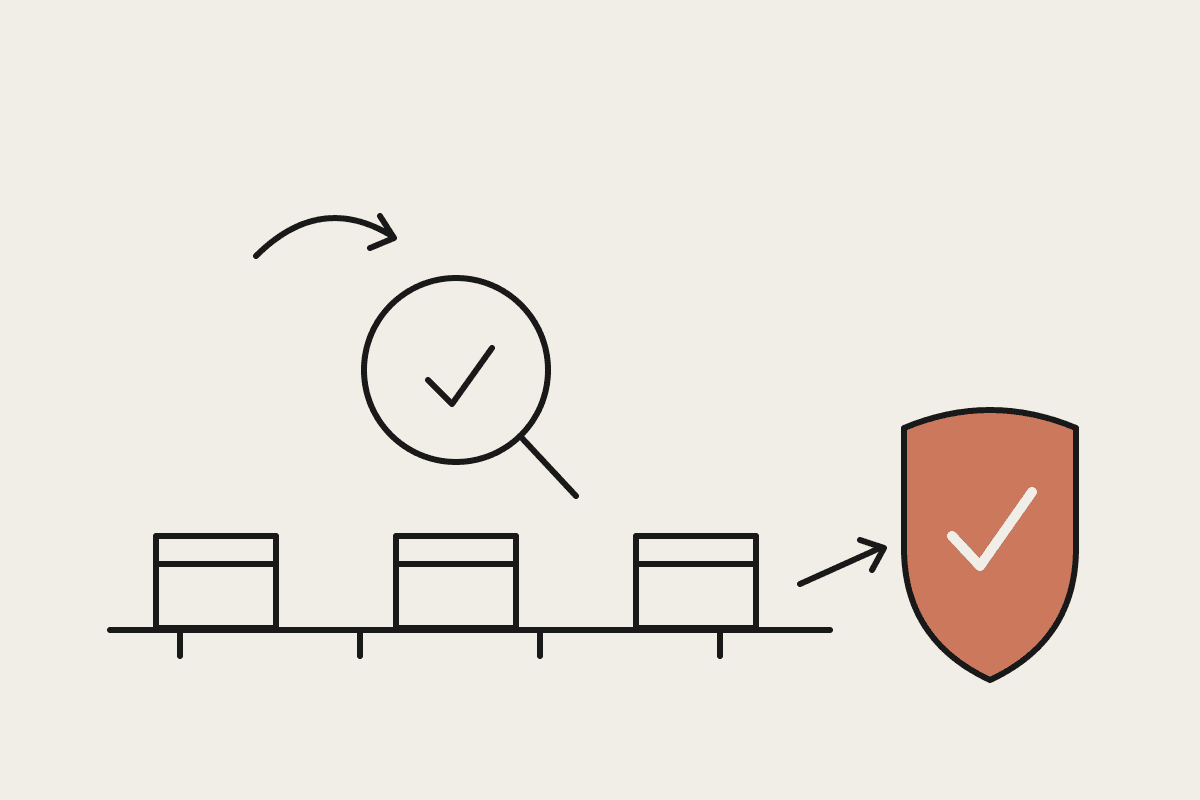
Strict access control with complete, reviewable audit logging
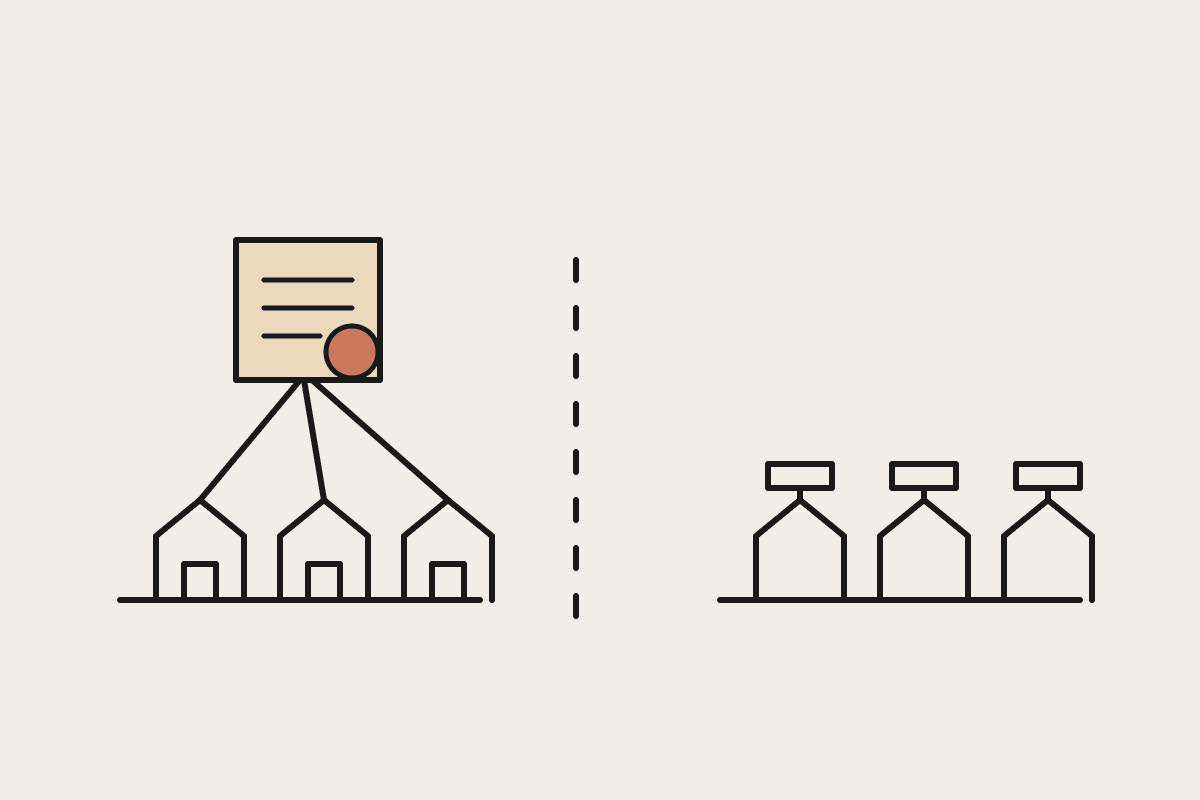
Clear rules on where data is stored and where it is processed
Governance a regulator would accept on inspection, not just on paper
Running an open source model in-house does not remove any of these duties. It moves all of them onto your team. The weights might be free to download, but the obligations attached to patient data stay exactly as heavy as before, and the responsibility for proving compliance sits squarely with the provider.
What self-hosting really costs
A compliant self-hosted setup for an Australian clinic can start near $75,000 a year once security, monitoring, and oversight are properly handled. That figure is mostly people and process, not the hardware alone, and it is the part most cost comparisons quietly leave out.
A production GPU node and its redundancy can run $40,000 a year before any application code is written
Security, patching, and audit logging need a person who owns them, not a side project
Cover through busy periods and staff leave so the system never lapses unmonitored
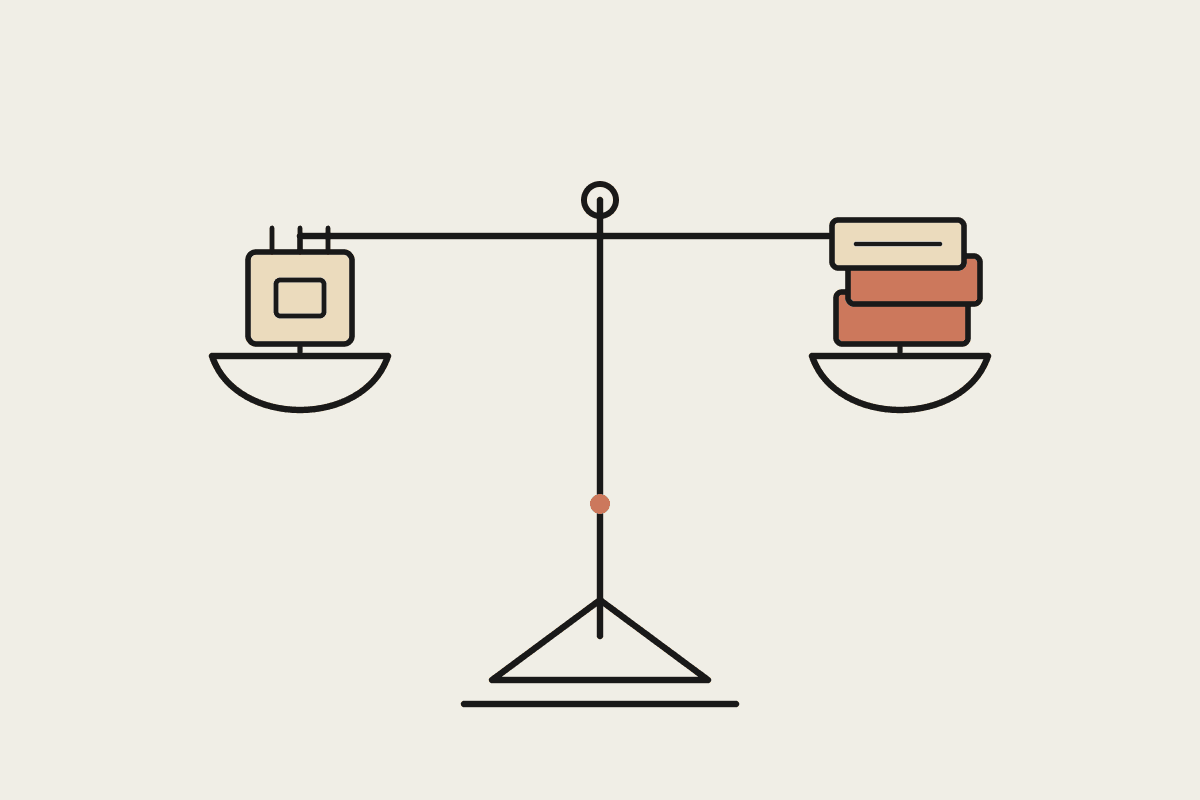
For a small or mid-size provider whose usage would never keep that node busy, the spend is hard to justify. A managed Claude deployment with strong data-handling controls can meet many of the same needs for less, while keeping sensitive information tightly governed and the maintenance burden off a clinical team that already has more than enough to carry.
Why Claude is the default for clinical-adjacent work
When the work touches anything a patient would recognise as their own information, reliability and control matter more than the headline cost per token. A managed model removes the parts that quietly drain a small team and lets clinicians stay focused on care.
No GPU fleet to buy, secure, or keep available around the clock
Predictable cost that scales with real use rather than idle capacity
A faster path from idea to a working, governed build
Data handling you can document and defend to a regulator
Open source still has a place. A narrow, internal task with no patient data, run at steady volume by a team that already has engineering capacity, can be a sound fit. The point is to choose deliberately rather than by which model happens to top the leaderboard this fortnight.
A practical first project
Healthcare teams do best when they pick a first use that proves value without touching patients. A focused pilot turns the debate from theory into a measured result that the whole organisation can see.
Automate non-clinical correspondence or internal policy search
Measure the time saved over a single month
Use that result to fund the next, more careful step with patient data
This keeps early momentum away from patient data, so the privacy work can be done thoroughly before the model goes anywhere near clinical information. For an Australian provider, that order is exactly what a board, a regulator, and a wary clinician all want to see, and it protects the trust that patient care depends on.
Getting the sequence right
We guide Australian healthcare providers through this with privacy as the first principle, defaulting to Claude where confidentiality is paramount and reaching for open source only where a narrow internal task genuinely earns it. If you want a clear, costed view of which tasks to automate first, book a brainstorm at cal.com/automataai/brainstorm-ai-solutions.