Consultancies, agencies, and advisory firms across Australia sell expertise and the hours that deliver it. Every hour spent formatting a report or writing a routine proposal is an hour that never reaches a client. AI can give a large share of that time back, and the model you choose decides how much you save and how much risk you carry. Open source models and Claude each have a clear role in that shift, and the skill is matching each to the right task.
Where professional services teams lose time
Most firms lose a surprising part of every week to repeatable, low-value work that sits around billable output rather than inside it. These tasks follow a pattern, which is exactly what makes them suitable for automation.
Drafting proposals, scopes, and statements of work from past examples
Summarising client meetings, discovery calls, and research notes
Formatting reports and deliverables to a consistent house standard
Preparing first drafts of recurring documents and status updates
None of this is the work clients pay a premium for. It is the overhead that surrounds the advice, and it is the first place a sensible automation plan should look. A partner who reclaims even five hours a week from this work gets a full day back to spend on clients, business development, or simply finishing earlier.
Matching the model to the task
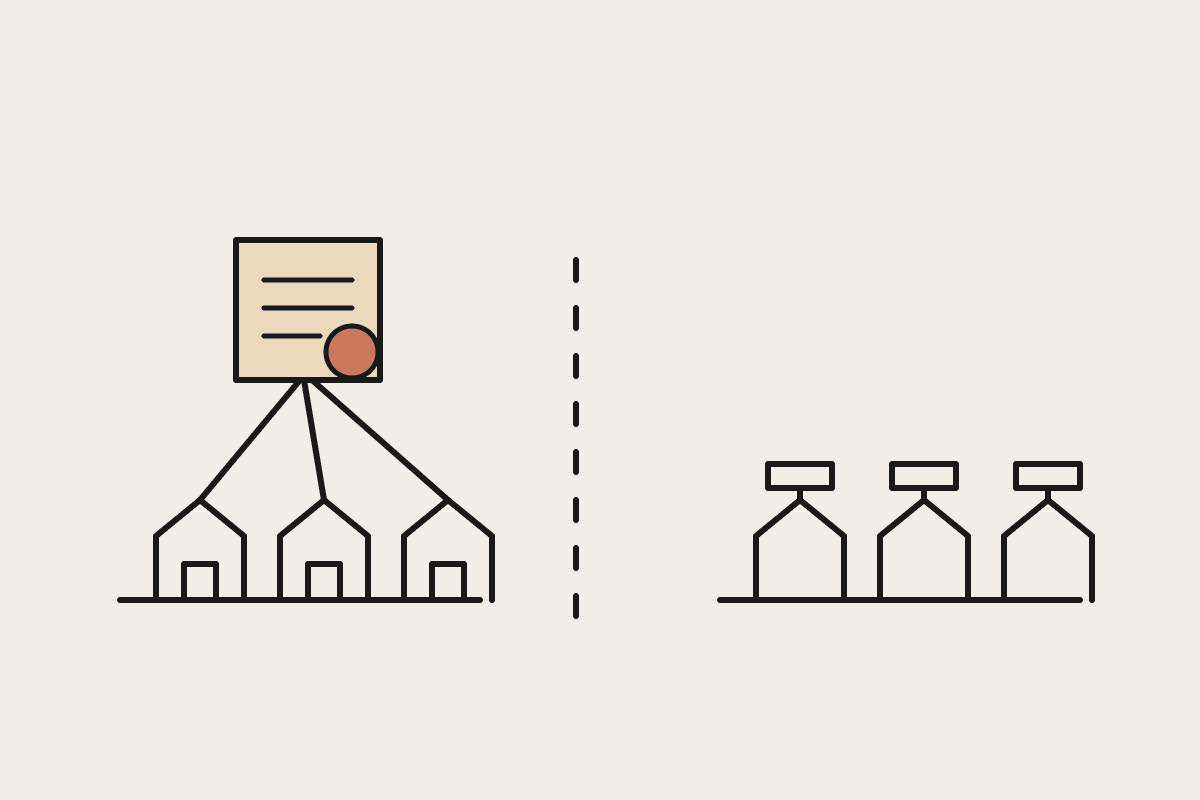
The right choice turns on two questions. How sensitive is the data, and how much does the output need to be trusted without review. Those two answers point clearly to either an open model or a managed one like Claude.
Internal drafting and private notes can sit comfortably on an open model
Client deliverables and anything sent externally suit a managed model like Claude
Confidential client data needs strict handling and a clear access policy
Agentic tasks that act across your systems reward reliability over raw cost
A blended setup captures most of the saving while keeping the brand and the client relationship protected. The model under the hood becomes a detail your firm chooses per task, not a decision a client should have to weigh. The dividing line is simple: if a mistake would reach a client unedited, put that work on the model you trust most.
What open source asks of a small firm
Running your own model in-house gives you control over where data lives, and it hands you a set of duties that a managed service would otherwise carry. For a lean professional services team, those duties are easy to underestimate.
Securing client data to the standard the Privacy Act expects
Keeping the model server patched, monitored, and backed up
Logging access so you can demonstrate care to a client or regulator
Covering the system through busy periods and tight deadlines
For a firm without spare engineering capacity, each of these becomes another thing to maintain when the work is already stacked up. That is the hidden cost that rarely appears in the first business case, and it is usually the reason a promising in-house pilot quietly stalls after a few months.
The size of the prize
A 20-person Australian firm can free up time worth around $120,000 a year by automating routine drafting and summarising. Set against that, a self-hosted model can cost $40,000 a year or more once you count compute, security, and the staff time to run it. A managed Claude build often reaches the same outcome for a fraction of that overhead, with a focused project landing closer to $20,000.
Start with the highest-volume internal tasks, where review still catches errors
Keep client-facing work on the reliable model so quality stays consistent
Protect confidential data with clear rules about what may touch which model
We design and build these workflows for Australian firms, with Claude as the default and open source where it earns its place on internal, lower-risk work. Book a brainstorm with our team and we will map your case in plain figures.
How to start without disruption
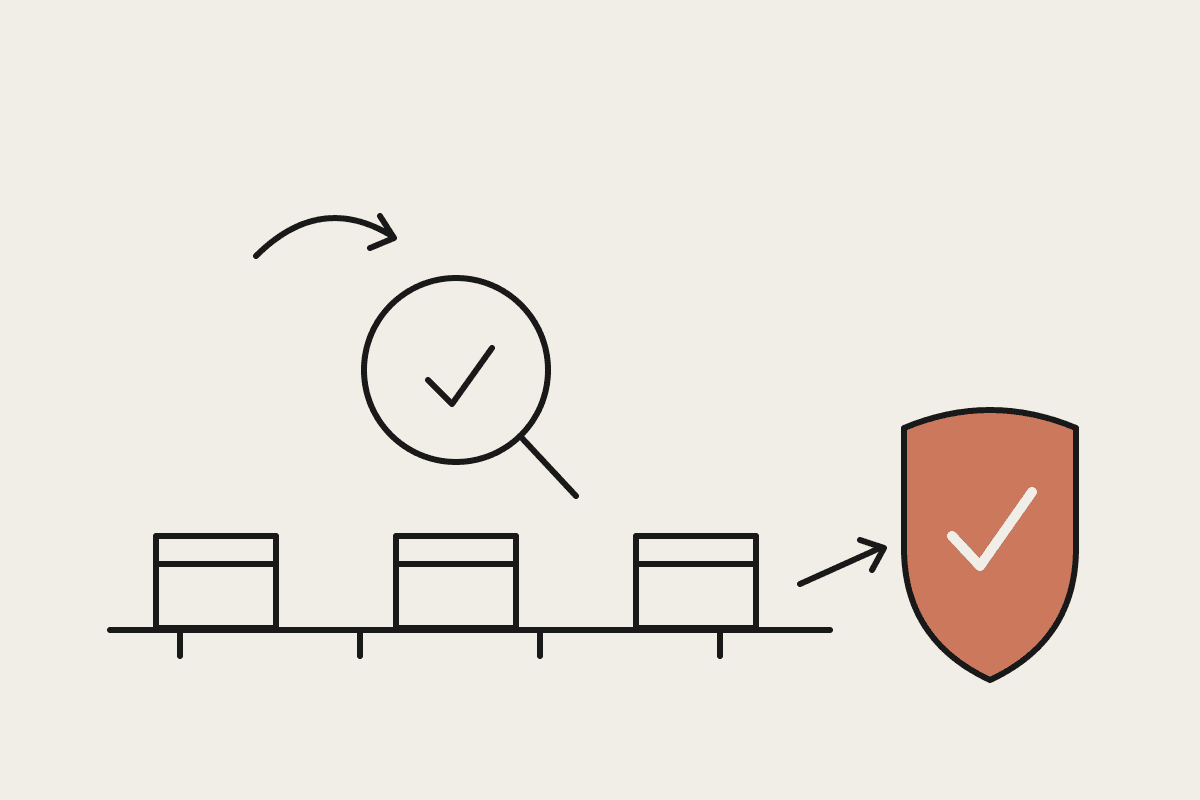
The safest way in is to introduce automation in order of risk, proving the gains on internal work before anything client-facing is involved.
Pick two or three repeatable internal documents and automate those first
Measure the hours saved over a month before widening the scope
Review what gets automated each quarter as your needs and risks change
For an Australian professional services firm, the aim is not to replace expertise but to surround it with less low-value work. Done in the right order, that means a steadier week, a healthier margin, and more of the team's time spent on the advice clients actually value. The result is a firm that grows its output without growing its overhead, which is exactly the advantage a lean practice needs.