Real estate advertising sits in one of the more heavily policed corners of Australian marketing. Every headline, every price guide, every "must sell" claim can be read back by a Fair Trading investigator or by a competitor lodging a complaint. When agencies start using AI to draft listing copy, the upside is obvious: faster turnaround on a busy Saturday, more consistent tone across a team, fewer late nights before an open home. The risk is just as real. An AI tool with no sense of state advertising law will happily write copy that reads well and breaches the Property and Stock Agents Act, the Australian Consumer Law, or a state's underquoting rules in the same paragraph.
Why listing copy is a compliance exposure, not just a marketing problem
Property advertising is regulated at both the state and federal level, and the rules differ by jurisdiction. NSW Fair Trading, Consumer Affairs Victoria, and the Queensland Office of Fair Trading each enforce their own agency conduct rules on top of the Australian Consumer Law's ban on misleading or deceptive conduct. Underquoting is the clearest example: a Sydney or Melbourne agent who prices a listing to attract enquiry rather than reflect a genuine estimate can trigger penalties that run well past $20,000 per breach, plus reputational damage that outlasts any single sale.
Superlatives are the second trap. Phrases like "guaranteed to sell", "best in the suburb", or an unverified school catchment claim can all be read as misleading representations under the Australian Consumer Law, regardless of whether a human or a model wrote them. A model trained on general web text has no idea which of those phrases your state's Fair Trading office has already taken action over. It will use them anyway unless it is told not to.
Common ways AI-drafted listing copy breaches the rules:
Overstating a price range or omitting a required price guide, which trips underquoting laws in NSW, Victoria and Queensland.
Making unverifiable superlative claims such as "guaranteed", "best" or "will sell in days" that read as misleading under the Australian Consumer Law.
Copying comparable sales data into a listing without checking it is current, accurate and properly attributed.
Referencing a school catchment, zoning status or development approval the agency has not verified against the relevant council or department.
Echoing a competitor's photography captions or descriptive language closely enough to raise a copyright or passing-off concern.
What "AI with guardrails" actually means for a real estate business
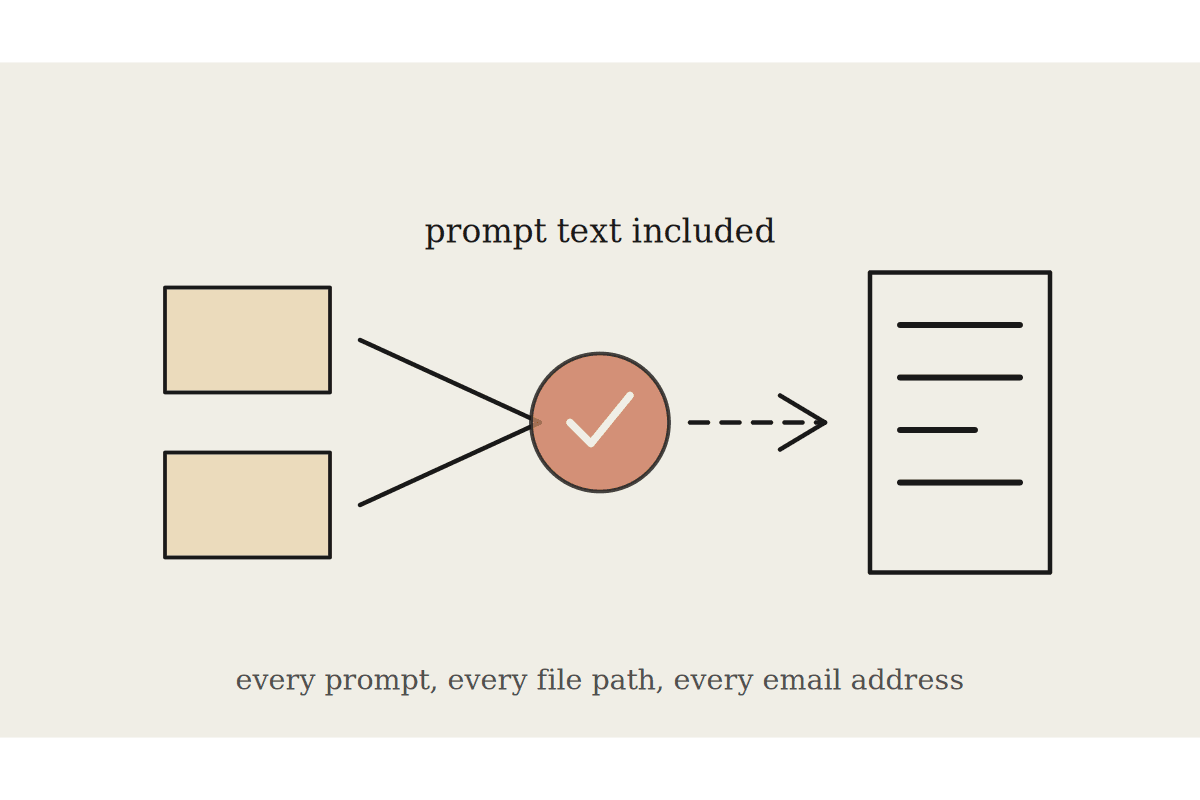
Guardrails are not a disclaimer bolted onto the end of a listing. They are decisions made before the model ever writes a word: which facts it is allowed to state without a source, which words are banned outright, and which outputs get a compliance check before they go live. For an agency running Claude across a portfolio of listings, that means the model is given the current price guide, the verified selling points and a short list of terms it should never use, rather than being asked to "write something exciting" from a photo and an address.
This matters most in the busiest weeks of the selling season, when principals are most tempted to let copy go out the door unread. A guardrail system does not remove the human check. It makes the human check faster, because the reviewer is confirming facts against a source sheet rather than proofreading a blank page.
A workable guardrail checklist for real estate copy:
Feed the model a verified fact sheet covering price guide, land size, zoning and inclusions, rather than letting it infer details from images or memory.
Maintain a banned-terms list drawn from your state's Fair Trading guidance and update it whenever that guidance changes.
Require a named person to approve every listing before it publishes, with the approval logged against the listing file.
Flag any comparable sales reference for a second check against the source data before it is quoted in copy.
Keep a dated record of what the model was told and what it produced, so a Fair Trading enquiry has a clear paper trail to point to.
Building the workflow with Claude
In practice this runs as a short pipeline rather than a single prompt. A property manager or agent enters the verified facts into a template, Claude drafts two or three copy variants against the agency's tone of voice and the current banned-terms list, and a principal or compliance lead reviews the output against the checklist before it goes to realestate.com.au or Domain. For a mid-sized Brisbane agency listing 15 to 20 properties a month, that workflow typically saves three to four hours a week of copywriting time, worth roughly $3,000 to $4,000 a year in reclaimed agent time, without removing the human sign-off that Fair Trading expects to see if a complaint is ever lodged.
The guardrails also travel with the agency. Connect the same fact sheet and banned-terms list to email follow-ups, social captions and vendor reports, and the compliance standard holds across every channel rather than just the listing description. That consistency is what a Fair Trading investigator or an ACL complaint actually tests: not whether one listing was clean, but whether the agency can show a repeatable process behind every piece of copy it publishes.
The objection we hear most often is that guardrails will slow the team down during peak listing weeks. In our experience the opposite happens once the fact sheet and banned-terms list exist. The reviewer is no longer starting from a blank page or guessing whether a claim is safe; they are checking a draft against a known standard, which is a five-minute task rather than a rewrite. The time saved compounds across a team handling dozens of listings a month.
None of this requires a large IT project. Most agencies can have a guarded listing-copy workflow running within a couple of weeks, built around the systems they already use for price guides and vendor reporting. If you want a second set of eyes on what that setup should look like for your agency, book a short session and we will map it against your state's current Fair Trading guidance.