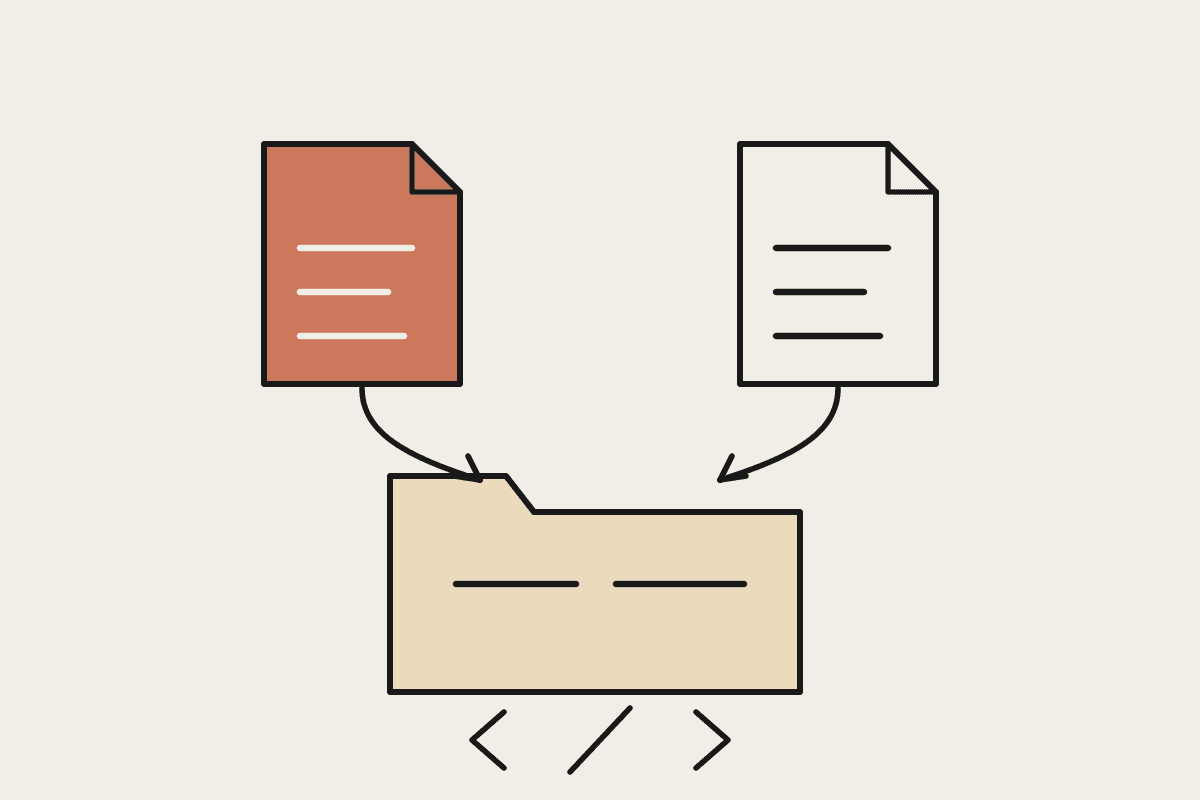
Most teams meet agentic coding through continuous integration. A pull request lands, the tests run, and the agent flags a broken build before it reaches production. That is useful work, but it is also the least interesting thing a scheduled agent can do. The jobs that earn their keep run overnight, while nobody is watching, doing the maintenance nobody has time for during the day. We think of these as jobs that pay rent: small, repeatable tasks that quietly return more than they cost every single night.
Beyond the build: what a scheduled agent job actually is
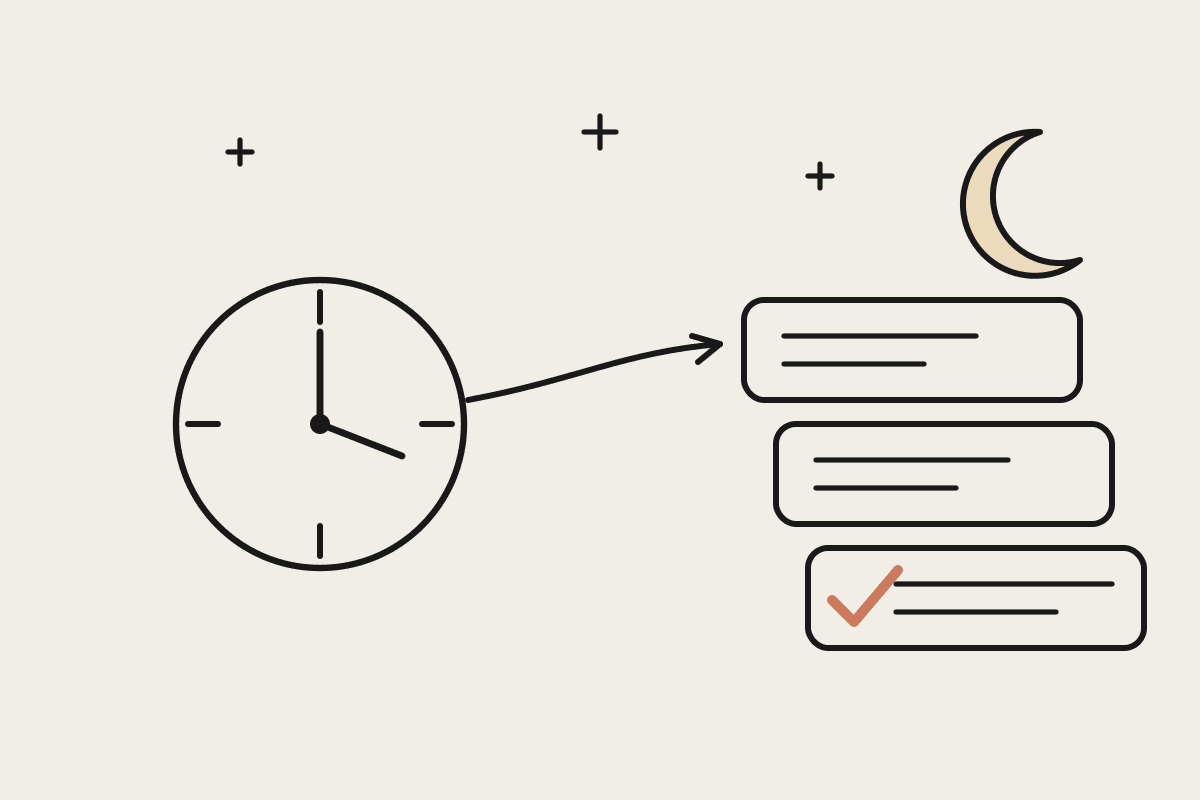
A scheduled agent job is a Claude Code process that wakes on a timer, reads some part of your system, makes a judgement, and then either fixes something or writes up what it found. Unlike a CI check, it is not tied to a commit. It runs on a clock, nightly or weekly or on the first of the month, and it has room to do slower, more considered work than a blocking build step can afford.
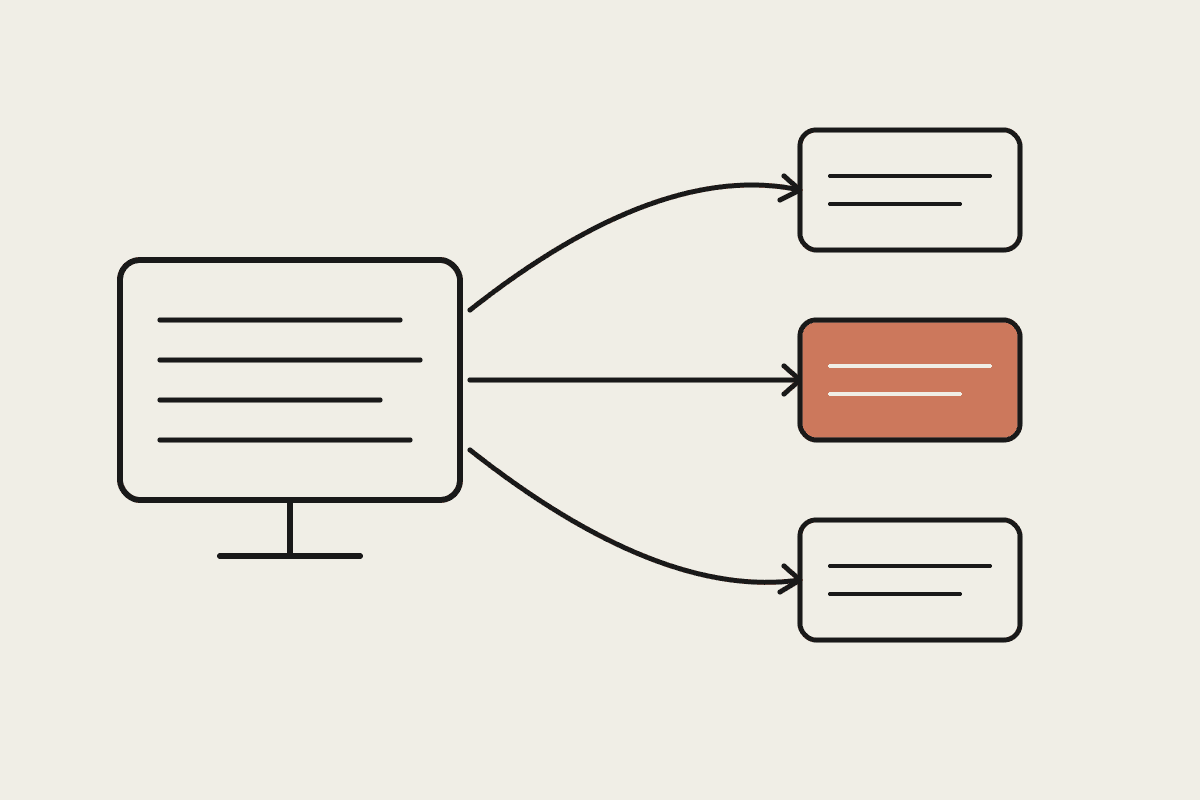
Australian teams already run cron jobs and pipelines, so the schedule itself is nothing new. The shift is that the worker on the clock can now read unstructured context, weigh trade-offs, and produce a plain-English report a manager can act on the next morning, rather than a bare pass or fail. A handful of jobs worth handing to an overnight agent:
Dependency triage. Read the overnight security advisories, match them against your lockfile, and draft upgrade notes only for the ones that actually touch your code.
Dead-link and asset sweeps. Crawl your docs and marketing site, flag every 404, and open a ticket listing the exact pages to fix.
Log summarisation. Read yesterday's error logs and write a one-paragraph digest of what is genuinely new versus recurring noise you already know about.
Documentation drift. Compare the week's code changes against the docs and list the pages that no longer match how the system behaves.
Data-quality checks. Scan a database export for duplicates, missing fields, and stale records, then propose the corrections for a human to approve.
Why these jobs pay rent
Take dependency triage. A mid-sized Sydney software team might spend four hours a week reading advisories and deciding what matters. At a blended engineering rate of $120 an hour, that is roughly $25,000 a year spent on a task that is mostly reading and filtering. A nightly agent does the reading and filtering and hands a person a ten-minute decision instead of a four-hour chore.
The maths on the other jobs is similar. A dead-link sweep that a contractor would bill $1,500 to run once becomes a free nightly habit. A monthly data-quality clean that used to cost $3,500 in analyst time now runs every night for the price of the tokens. None of these are dramatic on their own. Added up across a year, a small stack of nightly jobs can return $40,000 to $60,000 in recovered time for a lean team, against a Claude bill that rarely clears a few hundred dollars a month. That is the rent: the job pays for itself and then some, without asking anyone to change how they work.
Setting one up without it going feral
The risk with an autonomous overnight worker is not that it does too little. It is that it does something confidently wrong while everyone is asleep, and you find out at nine the next morning. The fix is to bound what it can touch and make it report before it acts. A few rules keep a nightly agent honest:
Draft, do not send. The agent proposes changes into a file or a ticket. A person approves anything that ships to customers or production.
One job per run. Keep the blast radius small so a bad night breaks one thing, not ten.
Read-only by default. Grant write access only to the specific system the job needs and nothing beyond it.
Log every run. Keep a dated record of what the agent saw and decided, so you can audit a bad call weeks later.
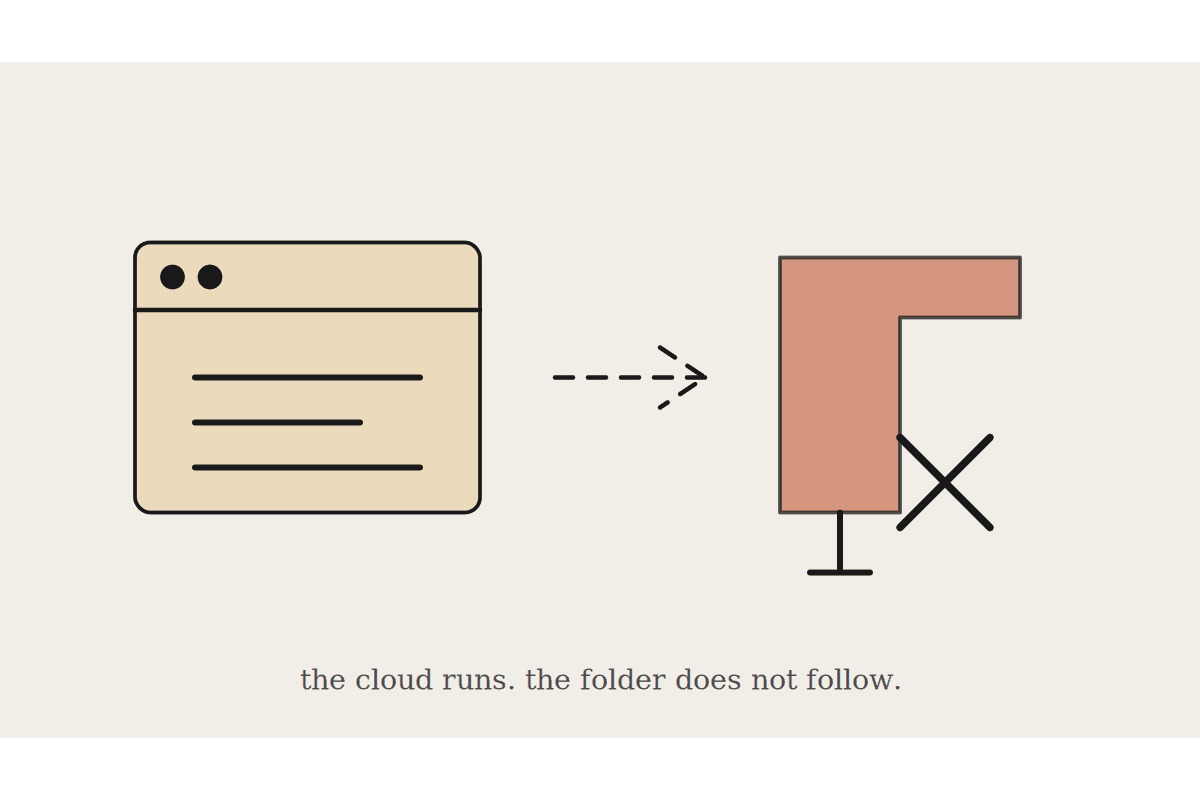
Mind the data. If a job reads customer records, keep it inside your own environment and check it against your Privacy Act obligations before it runs for the first time.
Continuous integration will keep catching broken builds, and it should. The quieter win is the overnight worker that clears the backlog of small maintenance no Australian team ever seems to reach. Start with one job, the most boring and most-deferred task on your list, give it tight guardrails, and let it run for a fortnight before you add a second. If you want help working out which nightly jobs would pay rent in your stack, we can map it out together.