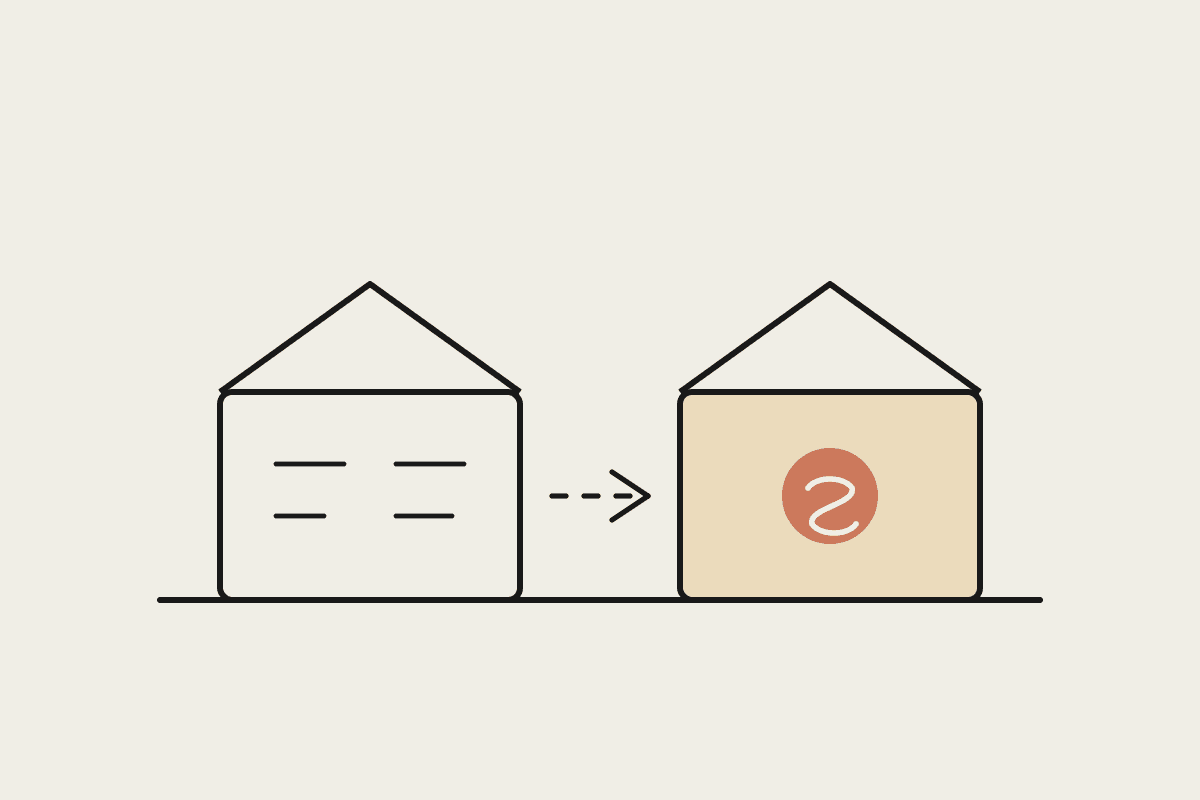
Every retailer and hospitality venue in Australia runs a stocktake. Most get little out of it beyond a single number that drops into the accounts. The count happens, the variance lands in a spreadsheet, and the reasons behind the gap stay unexamined until next quarter, when the same gap shows up again.
Shrinkage is the difference between the stock your records say you hold and the stock actually on the shelf. In Australian retail it typically runs between 1 and 2 per cent of turnover. For a store turning over $2 million a year, that is $20,000 to $40,000 of margin gone, and margin is where a small business lives or dies. The value in a stocktake is not the count itself. It is understanding why the count is wrong, and that second part is exactly where Claude earns its keep.
What shrinkage actually costs
Shrinkage is rarely one problem. It is usually four or five smaller ones wearing the same disguise, and each has a different fix. Lumping them together as "loss" is why the number never improves.
External theft: shoplifting, walk-outs, and organised retail crime.
Internal theft: staff discounts abused, till manipulation, or product leaving out the back door.
Administrative error: miscounts, wrong units of measure, receiving mistakes, and untracked transfers between sites.
Supplier issues: short deliveries, invoices for goods never sent, and price discrepancies.
Wastage: spoilage, breakage, and expired stock, which bites hardest in hospitality and grocery.
The reason most stocktakes produce a number and nothing else is that separating these causes takes hours of cross-referencing across systems that were never built to talk to each other. Your point-of-sale sits in one place, your purchase orders in another, your roster in a third. By the time you have lined them up by hand, the trail has gone cold and the next quarter is already on you.
What Claude does with your variance data
Claude reads across the messy exports you already produce and does the reconciliation and pattern-finding a person would do if they had a spare day every week. Give it the numbers and a short brief, and it returns the analysis rather than the raw pile.
Reconciles counted stock against expected stock from opening balance, purchases, and sales, then flags every line where the variance clears a threshold you set.
Groups variances by category, supplier, department, or store so a pattern that is invisible line by line becomes obvious in aggregate.
Cross-checks suspicious lines against delivery dockets and invoices to separate a receiving error from a genuine loss.
Writes a plain-English summary of the top variances with a likely cause and a suggested next step for each.
Compares this stocktake against the last four so a slow leak in one category surfaces before it becomes a large one.
Consider a bottle shop with a persistent variance in premium spirits. The quarterly count always comes up short, and the easy assumption is theft. Line up twelve months of counts against delivery dockets and point-of-sale data, and the pattern can point somewhere else entirely: the shortfall spikes in the weeks after each supplier promotion, when bonus stock arrives but never gets entered into the system. That loss is administrative, not criminal, and the fix is a receiving checklist rather than a security camera. Claude is well suited to finding that kind of pattern because it can hold the whole year in view at once.
A workflow you can run this quarter
You do not need to change your systems to start. Claude works from the exports you already have.
Export your stocktake variance report, your purchase history for the period, and your sales data from the point-of-sale.
Hand all three to Claude with a short brief: the period covered, your product categories, and the variance threshold worth investigating.
Ask for a ranked list of variances with a likely cause for each, split into administrative, supplier, and loss.
Review the flagged lines with your team, confirm or correct the causes, and let Claude draft the investigation notes and any supplier queries.
If your data includes staff or customer detail, keep the brief to stock and transaction lines only. Claude does not need names to find a pattern, and under the Privacy Act you are better off not sending them in the first place. Run this once a quarter and the review takes an afternoon instead of a lost weekend.
Where the judgement stays with you
Claude proposes causes. It does not accuse people, and it should not. A flagged variance is a question, not a verdict, and the calls that follow are yours to make.
Claude suggests likely causes; it does not conclude that anyone stole anything. Loss investigations involving staff carry legal and Fair Work implications, and those decisions sit with you.
The analysis is only as good as the exports. A miscoded product or a wrong opening balance will mislead it, so sanity-check the inputs before you trust the output.
Thresholds are a business decision. Chasing a $15 variance across 400 lines costs more than it recovers.
A stocktake that only produces a number is a cost. A stocktake that tells you where your margin is going is an asset, and the difference is a few hours of analysis you can now hand off. If you want help setting up a stocktake and shrinkage review that runs every quarter without eating your weekend, book a short call and we will map it to the systems you already use.