Every Australian builder running high risk construction work knows the SWMS drill. A Safe Work Method Statement has to be in place before the work starts, it has to match the actual site, and it has to be written in consultation with the crew doing the job. Done properly, that is real safety work. Done as a copy-paste ritual, it becomes paperwork that protects nobody. The question trades businesses keep asking us is simple: can Claude write these faster without making them weaker? The honest answer is yes on speed, with firm conditions on the parts that keep people safe.
What a SWMS actually has to do
Under the model Work Health and Safety Regulations that apply across most of Australia, a SWMS is required for any of the 18 categories of high risk construction work: work at heights above two metres, work near live traffic, demolition, confined spaces, or anywhere asbestos might be disturbed. The document is not a generic form. To hold up when a SafeWork inspector visits a Sydney or Brisbane site, it has to do four specific things.
Identify the high risk construction work being carried out on this particular job.
Specify the hazards and the risks to health and safety that come with it.
Describe the control measures using the hierarchy of controls, not a jump straight to personal protective equipment.
Explain how those controls are put in place, monitored and reviewed, and record that workers were consulted.
That last point is where most rushed statements fall over. A document pulled from last year's job with a new address typed over the top is easy to spot and hard to defend. It also misses the hazards that are specific to today's site. The compliance value sits in the tailoring and the consultation, which is exactly the slow manual part that tempts people to cut corners.
Where Claude speeds up the drafting
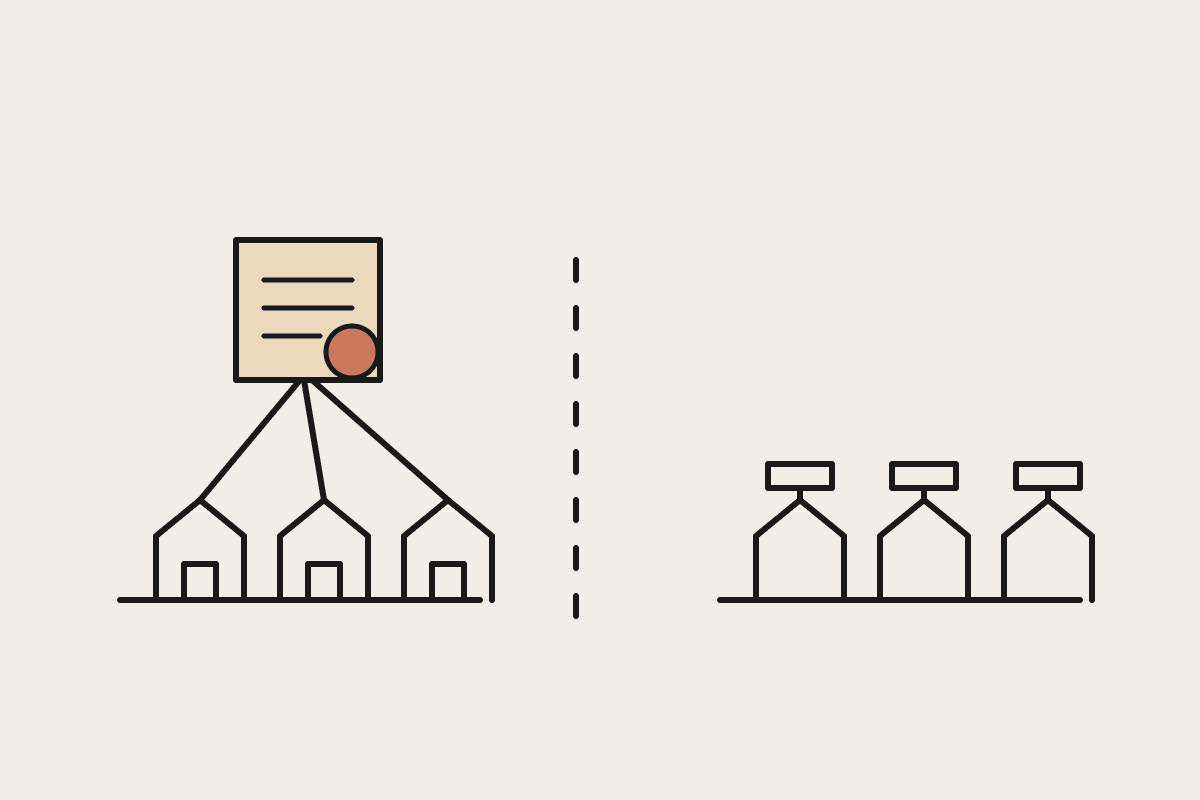
Claude is strong at turning your existing safety library and a short site brief into a tailored first draft. You are not starting from a blank page, and you are not shipping the generic template either. Give Claude your approved control measures, the task, the site conditions and the crew, and it returns a draft a supervisor can review in minutes rather than build from scratch over an hour.
Tailor a generic template to a specific task and site, so the listed hazards are the ones the crew will actually meet that day.
Rewrite dense clauses into plain English a first-year apprentice can read and sign with real understanding.
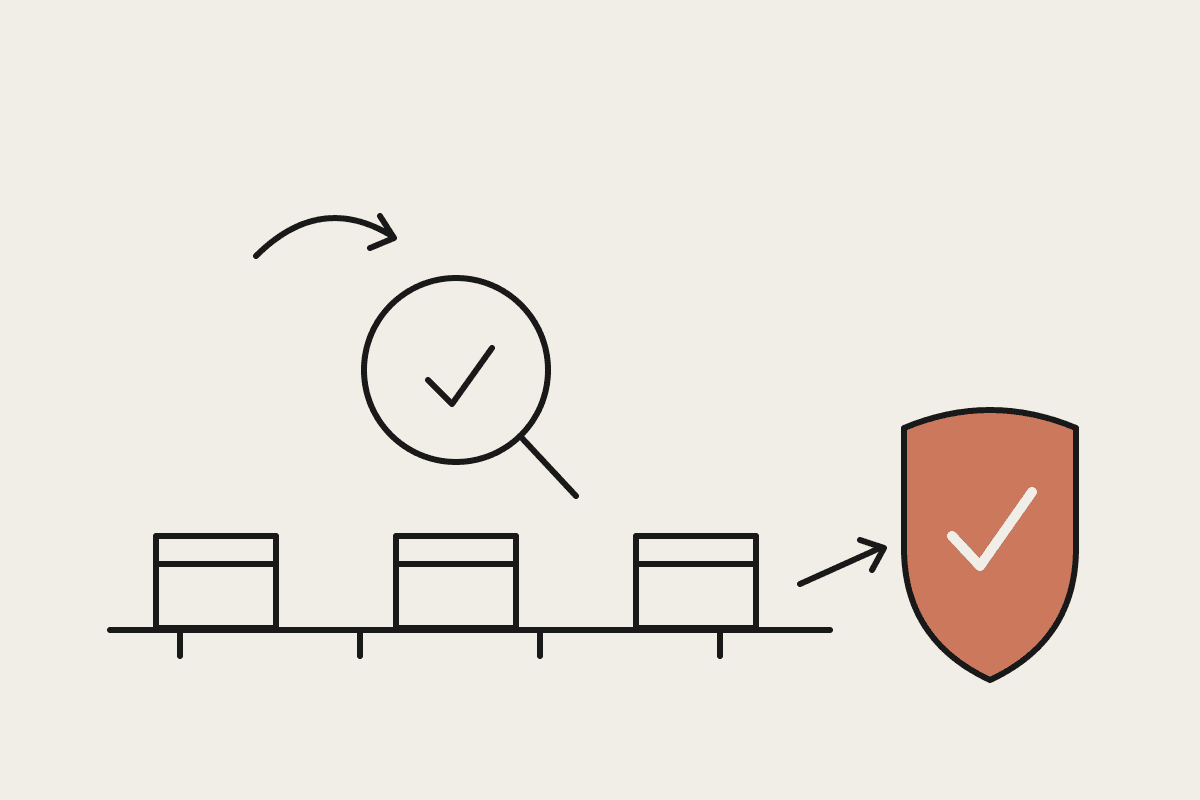
Gap-check a draft against the 18 high risk categories and the hierarchy of controls, flagging anything thin or missing.
Produce a matching toolbox talk and a translated version for a multilingual crew, so the briefing lands with everyone on site.
Refresh a whole library of statements when a code of practice or an internal control changes, instead of editing files one at a time.
Put numbers on it. A mid-sized fit-out contractor in Melbourne told us their site supervisors each spent close to eight hours a week producing and updating SWMS and related permits. Across a small supervisor team that is roughly $45,000 a year in skilled time spent formatting documents rather than running the job. Halving the drafting time does not remove the safety work; it moves those hours back to supervision, where they cut actual risk.
Not looser: the controls that stay human
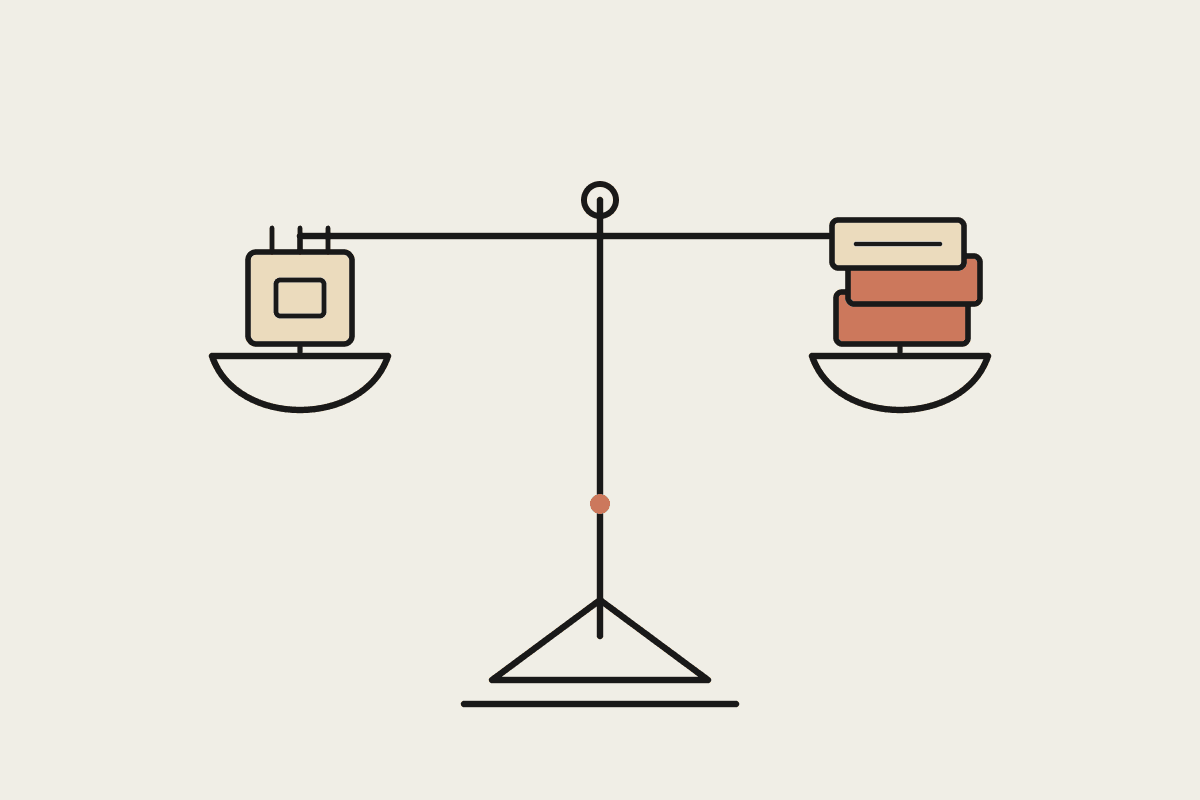
Speed is the easy half. The reason a SWMS exists is legal accountability for a person conducting a business or undertaking, and no model can hold that accountability for you. Claude drafts; a competent person owns. The controls that stay firmly in human hands are the ones a SafeWork inspector will look for first.
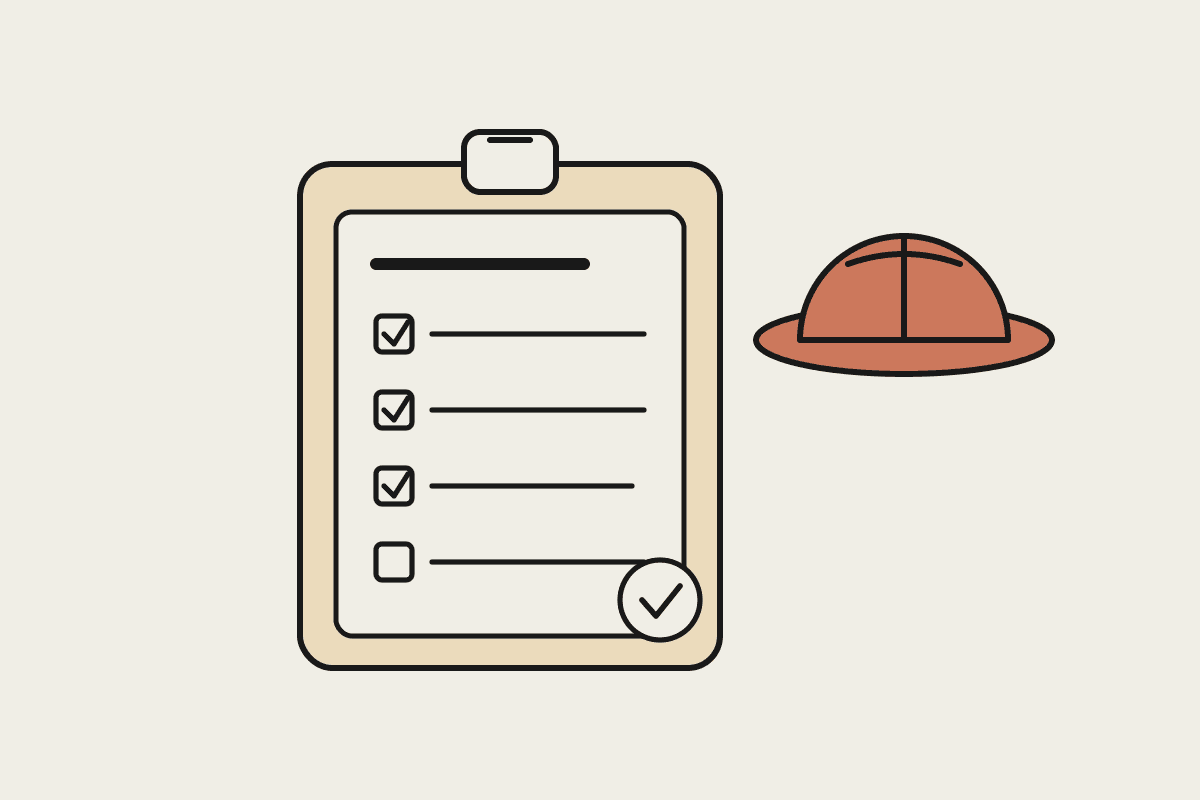
A competent person signs off every statement. Claude never gives final approval, and each draft stays marked as a draft until a human accepts it.
Workers are genuinely consulted about the method and the hazards. A drafted document does not replace the conversation the regulations require.
Every statement is checked against the real site that morning, not the site Claude imagined from your brief.
Statements are reviewed after any incident, near miss, or change in conditions, and that review is recorded.
Safety records stay in an approved workspace that meets your duties under the Privacy Act, not pasted into random consumer tools.
There is a real failure mode to name. A capable model can write a control measure that reads well but does not suit the plant, the height or the material in front of the crew. That is why the competent-person check is not a formality. The aim is a draft that is 90 per cent there and honestly labelled, so the reviewer spends attention on the specific risks rather than on spelling and layout.
A practical way to start
You do not need a big platform project to begin. Start with the high risk work your crews do most often, because that is where tailored drafts save the most time and where consistency matters most. Build one controlled prompt and one approved template, pilot it with a single crew for a fortnight, and compare the drafts against what your supervisors would have written by hand.
Pick your top two or three high risk activities and gather the approved control measures you already trust.
Write a house prompt that forces the hierarchy of controls and a consultation reminder into every draft.
Run a two-week pilot on one site, with the supervisor reviewing and signing every output.
Measure the hours saved and, more importantly, whether the drafts were more site-specific than the old templates.
Faster and not looser is not a slogan; it is a division of labour. Claude carries the drafting, the plain-English rewriting and the library upkeep. Your supervisors carry the judgement, the consultation and the sign-off. If you want help setting that up safely for an Australian trades or construction business, book a short call and we will map it to the way your sites already run.