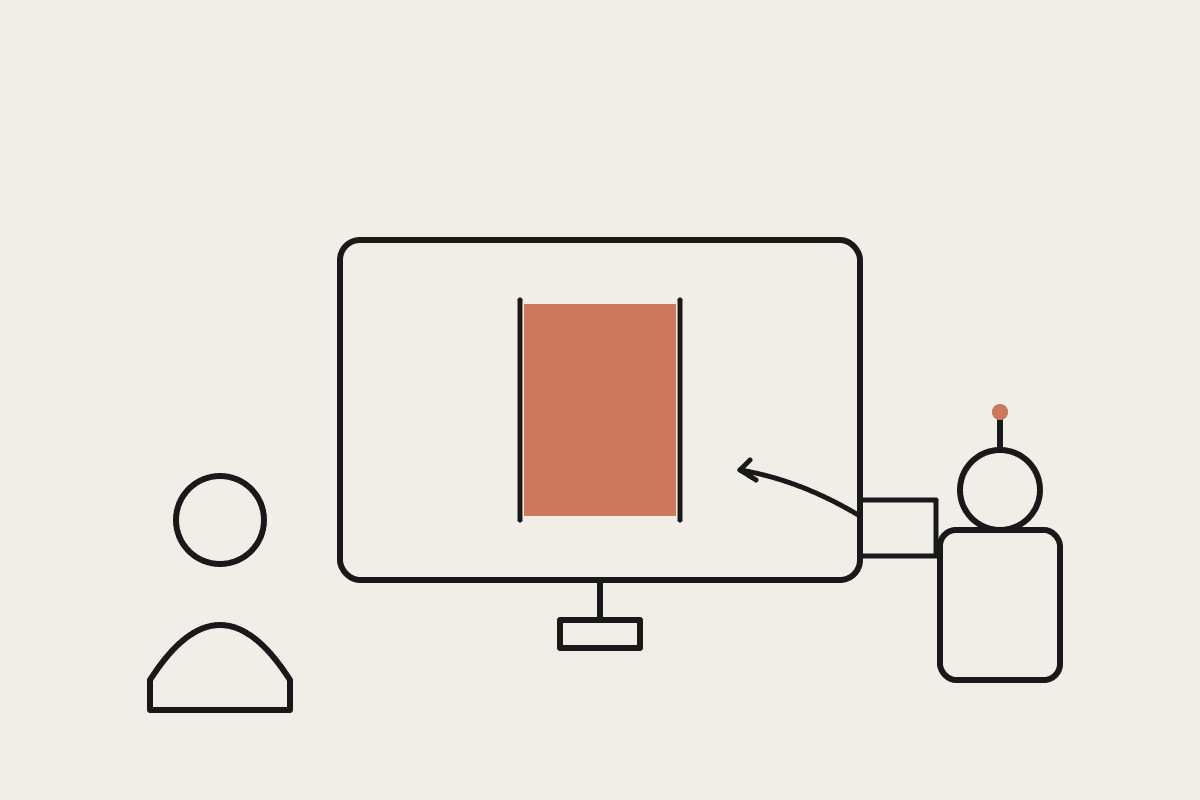
Recruitment runs on writing. Every placement sits on top of candidate summaries, shortlist reports, progress notes and client emails that a consultant has to produce between calls and interviews. For a busy desk in Sydney or Melbourne, that writing can quietly swallow a full day each week. Claude, the AI assistant built by Anthropic, is well suited to this kind of structured, repetitive drafting, and it can handle the first pass while your consultants stay on the phone with candidates and clients.
Where the writing time actually goes
Before adding any tool, it helps to be honest about what a recruitment agency spends its writing hours on. Two documents dominate the week, and both are patterned enough that a well-briefed assistant can produce a solid first draft.
Candidate summaries: the one-page profile that turns a CV, a screening call and your read on someone into something a client can scan in ninety seconds.
Client reports: shortlists, weekly progress notes, interview feedback write-ups and the occasional salary or market update.
Internal records: CRM entries and handover notes that rarely get written properly when the desk is flat out.
None of this is the skilled part of the job. The judgement about who to put forward is yours. The typing is not, and the typing is what Claude can take off your plate.
Candidate summaries without the copy and paste
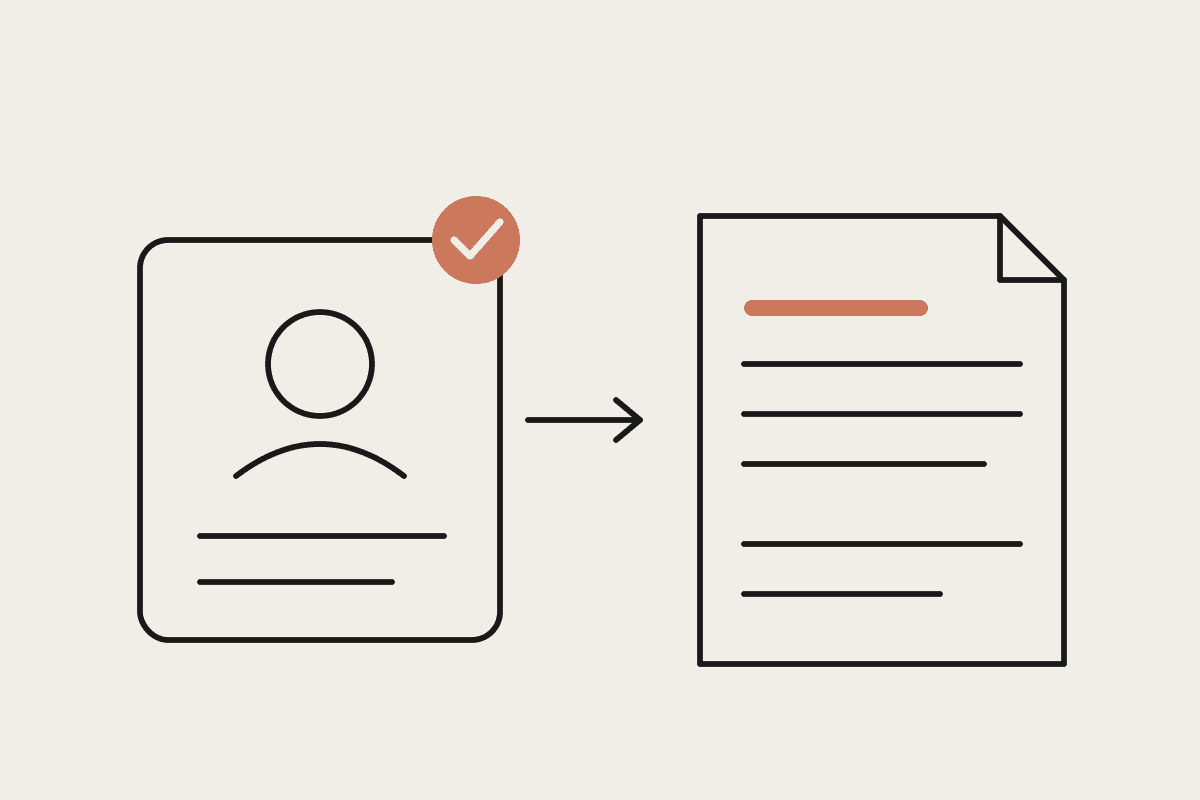
A candidate summary is a formatting task dressed up as a writing task. You already hold the raw material: the CV, your screening notes, and the requirements on the brief. Give Claude those three inputs and a short template, and it returns a consistent profile every time, covering current role and tenure, experience mapped against the brief, notice period, salary expectation, right to work, and a short consultant view.
The real gain is consistency. When five consultants each write summaries their own way, clients receive five different documents and the agency looks scrappy. A single Claude prompt that encodes your house format means every profile leaving the office reads the same, whether it came from your principal consultant or someone in their first fortnight.
One guardrail matters here. Claude drafts only from what you give it. It should never invent a certification, stretch a tenure or guess a salary. A good prompt tells it to write only from the supplied CV and notes, and to flag gaps rather than fill them. That keeps you on the right side of both your clients and your anti-discrimination obligations.
Client reports that sound like you wrote them
The second time sink is client-facing reporting. A shortlist that compares four candidates against the brief. A Friday update on an open role. A tidy write-up of interview feedback so a hiring manager can decide. These documents keep clients confident, and they are usually the first thing to slip when a desk gets busy.
Claude can assemble them from your notes and CRM data in a house style you define once. A weekly update that used to take twenty minutes per client becomes a two-minute review of a draft. For an agency running thirty active roles, that is the difference between updating every client every week and only updating the ones who chase you.
Shortlist reports that rank candidates against the specific requirements on a brief, not a generic scorecard.
Progress updates that pull the week's activity into three or four honest sentences per role.
Interview debriefs that turn rough notes into structured feedback a hiring manager can act on.
Market and salary notes that give a client context when a search is running hot.
What the time is actually worth
The maths runs on the back of an envelope. Say a consultant spends six hours a week writing summaries and reports, and their loaded cost to the agency is around $120,000 a year, or roughly $60 an hour. Six hours a week is more than $18,000 of that person's time each year spent typing. Hand half of it back and you have recovered about $9,000 per consultant, every year. Across a team of eight, that is $72,000 of capacity you did not have to hire for.
The tooling cost against that number is small. Business Claude access runs in the low hundreds of dollars a month, so a whole agency might spend $3,000 to $5,000 a year. The return was never really about the licence fee. It is about consultants making more calls and running more searches instead of formatting documents, which is where an agency's revenue actually comes from.
Candidate data and the Privacy Act
Recruitment agencies hold some of the most sensitive personal information around: full work histories, contact details, salary figures, references and sometimes background checks. Under the Australian Privacy Act you are responsible for how that data is handled, including when it passes through an AI tool. Any agency should ask this question before rolling Claude out, and it has good answers.
Use business-grade Claude rather than a personal free account, so your inputs are not used to train the underlying model.
Keep candidate records in your existing systems and pass Claude only the fields a given task needs.
Set a firm rule that a consultant reviews every draft before it reaches a client, so a person is always accountable for the output.
Write a short internal policy on what candidate data can and cannot go into an AI tool, and brief the team on it.
None of this is unique to recruitment. Any Australian business handling personal data has to think the same way. Using Claude responsibly is a matter of setup and habit, not a reason to keep doing the work by hand.
Starting small
The agencies that get value from this do not change everything at once. They pick the single most repetitive document, usually the candidate summary, and get it working well before touching anything else. A sensible first month looks like this: agree a house format, build one prompt that produces it reliably, put it in front of two consultants on live roles, and compare the drafts against what they would have written by hand.
Once the summary is solid, the same method extends to shortlist reports and weekly updates. Within a quarter, most of an agency's routine writing can run through a small set of trusted prompts, with consultants reviewing rather than starting from a blank page.
If you run a recruitment agency and want to find where Claude would save the most time across your desks, we help Australian firms design and set up these prompts. You can book a short planning session and we will map it to the way your team already works.