Strata management runs on correspondence. A single portfolio manager in Sydney or Melbourne might look after 35 schemes and more than 1,400 lots, and every one of those lots has an owner who can email at any hour about a leaking balcony, a barking dog, or a levy they do not think they should pay. Sitting on top of that is the formal machinery of strata: committee meetings, annual general meetings, minutes, budgets, and levy notices that all have to be accurate and defensible. Claude, the assistant built by Anthropic, gives strata managers a way to move through that load faster while keeping a clean paper trail.
The admin load behind every strata portfolio
Ask any strata manager where the hours go and the answer is rarely the interesting work. It is the repetitive drafting and chasing. A busy agency running $6.5M a year of levies through its trust accounts can have three or four staff spending most of their week on the same handful of tasks:
Writing up minutes from committee and general meetings, often days later when the detail has faded.
Answering owner questions about by-laws: pets, renovations, parking, short-term letting, and noise.
Issuing levy notices and budgets, sending arrears reminders, then fielding the disputes that follow.
Summarising long email threads before a committee can make a decision.
Preparing agendas and committee papers for the next round of meetings.
None of this is optional, and most of it is governed by state legislation such as the Strata Schemes Management Act 2015 in New South Wales or the Owners Corporations Act 2006 in Victoria. The work has to be done, and it has to be right. That combination is exactly where a capable assistant earns its keep.
Meeting minutes without the Sunday-night catch-up
Minutes are the clearest early win. A strata manager can record a committee meeting with the committee's consent, paste the transcript into Claude, and ask for a structured set of minutes: motions, who moved and seconded, the resolution, and any action items with owners named. What used to be a Sunday-night writing job becomes a ten-minute review of a draft that already reads in the agency's house style.
The same approach works for agendas. Feed Claude the previous minutes and the correspondence received since, and it will draft an agenda that carries forward unfinished business and flags the motions that need an owner vote. A manager handling 35 schemes might reclaim $40,000 or more of billable time a year this way, time that can go back into growing the rent roll rather than typing.
By-law queries answered against the actual by-laws
By-law questions are the daily drumbeat of strata. Owners want to know whether they can keep a cavoodle, install timber floors, or run their apartment on a short-stay platform. The answer almost always depends on the scheme's own registered by-laws, not a generic rule, and getting it wrong invites a dispute at the NSW Civil and Administrative Tribunal (NCAT) or its interstate equivalent. A single by-law dispute that escalates can cost an owners corporation $15,000 in legal and expert fees.
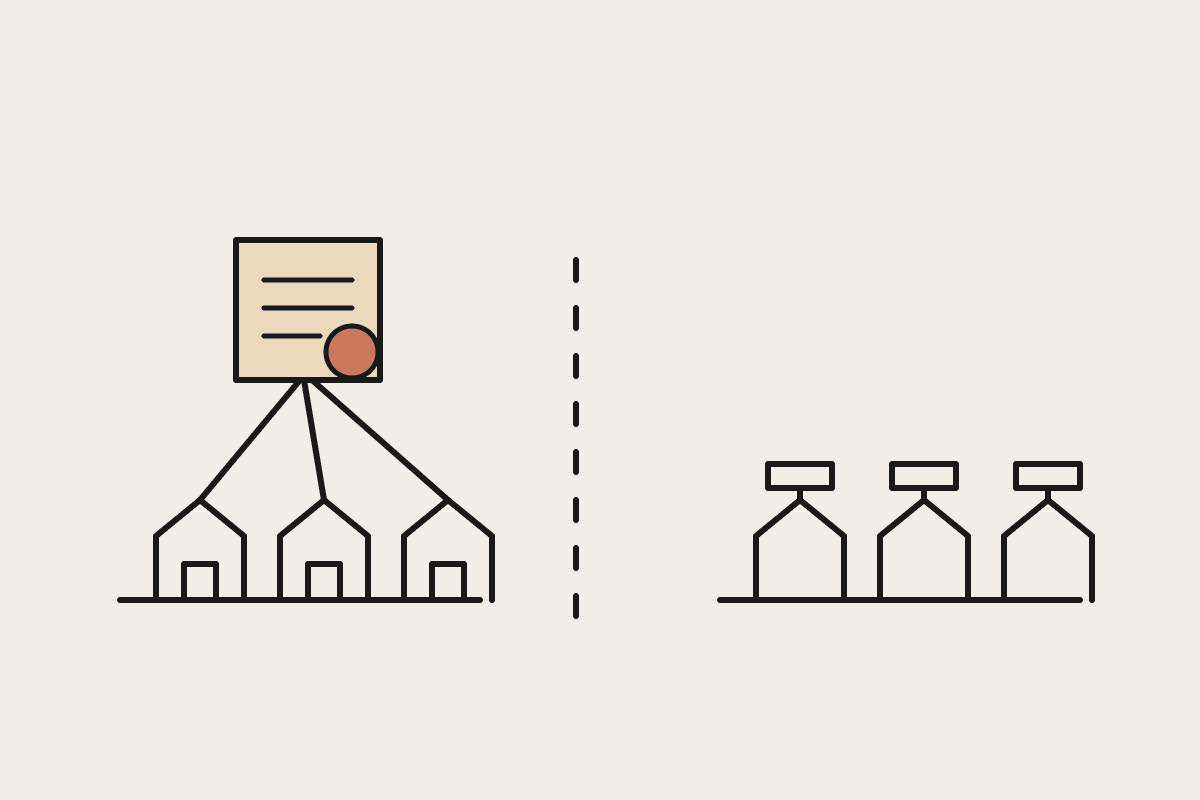
Claude helps by working from the source. A manager uploads the scheme's consolidated by-laws and asks Claude to answer an owner's question strictly against that document, with the relevant by-law quoted back. Used this way, Claude is good at:
Pointing to the specific by-law that governs a question rather than guessing.
Drafting a plain-English reply that an owner can actually understand.
Flagging where a request needs committee approval or a by-law change instead of a simple yes or no.
Noting when a question crosses into legal advice that should go to the agency's solicitor.
The manager still reads and sends the reply. Claude does the first pass and the citation, which is where most of the time goes.
Levy notices, arrears and owner correspondence
Levies are where strata managers feel the most pressure, because money and emotion sit together. Claude can draft the covering notes for a levy issue, explain a special levy for a major repair in language owners will accept, and write a graduated series of arrears reminders that stays firm without tipping into threats. For an agency carrying $85,000 in arrears across its portfolio, a consistent and well-worded reminder cycle is worth real money.
It also takes the sting out of the inbox. Paste a heated twelve-message thread between an owner, a committee member, and a contractor, and Claude will summarise the actual dispute, list what each party is asking for, and suggest a neutral next step. The manager walks into the committee meeting already across the issue instead of reading the thread cold.
Where the compliance line sits
Strata records hold a lot of personal information, so the Privacy Act and each agency's own obligations matter. The practical rules are simple. Owner details should be handled with the same care inside Claude as anywhere else, meeting recordings need the committee's consent, and any output that touches a legal right gets human sign-off before it goes out. Claude drafts; a licensed strata manager decides. Nothing here removes the professional judgment that owners are paying for.
None of this requires a new software platform either. Most agencies already run a strata management system such as StrataMax for the trust accounting and the register. Claude sits alongside that, doing the reading, drafting, and summarising those systems were never built to do.
Getting started without a re-platform
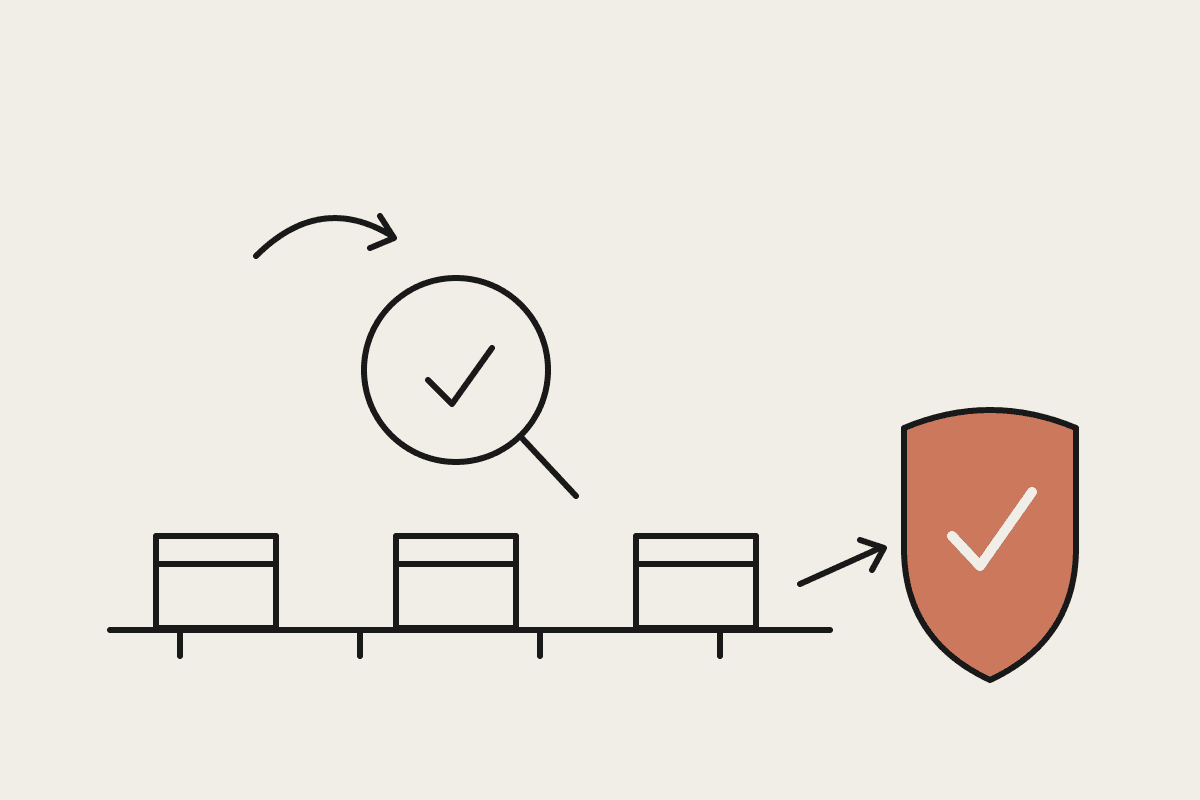
The lowest-risk way to begin is with one task and one portfolio. Pick minutes, or pick by-law replies, and run everything through Claude for a fortnight while checking each draft. Most managers find the quality is there within days, and the confidence to widen the scope follows quickly. A single manager saving five hours a week adds up fast across a team, and the owners notice the faster, clearer responses.
Automata AI helps Australian strata and property agencies put Claude to work on exactly these tasks, with the compliance guardrails built in. If you would like to see it run against your own minutes and by-laws, book a short brainstorm and we will map the first two workflows with you.