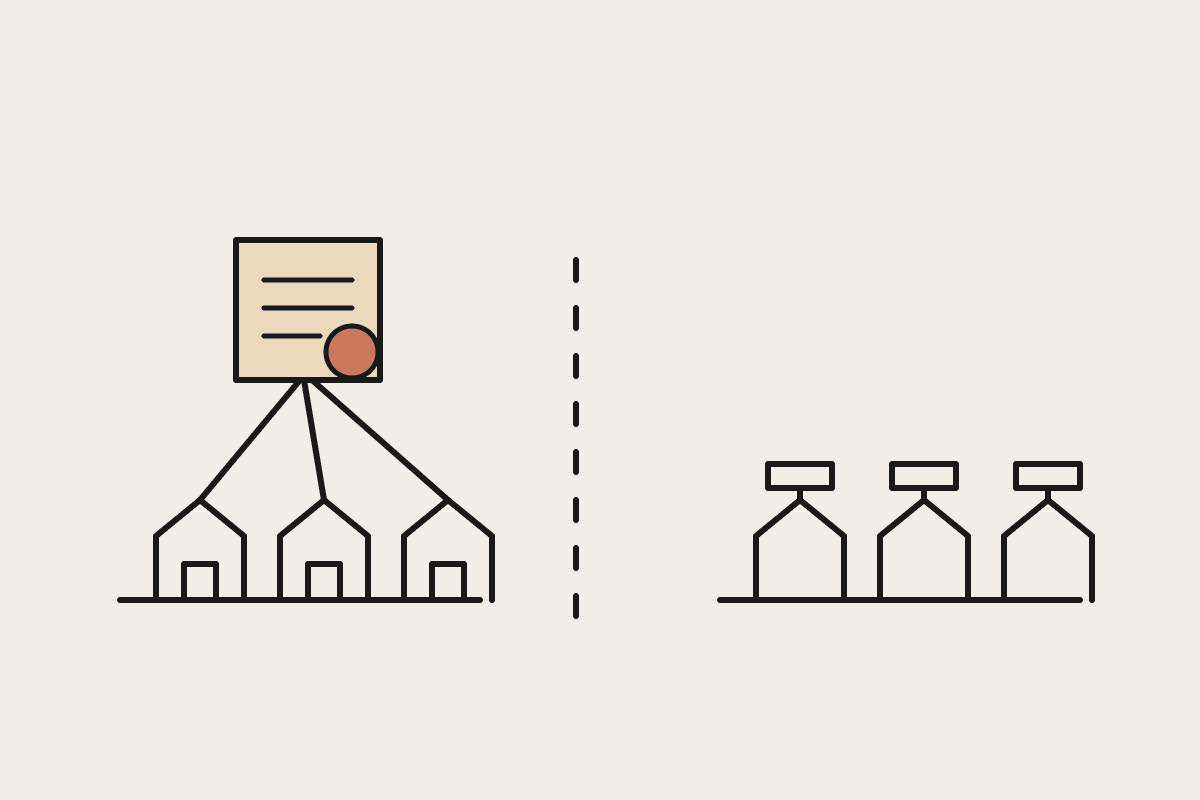
The pitch for open-weight AI usually starts with the word free. You download the model weights, run them on your own hardware, and stop paying per token. For a small number of Australian businesses that maths genuinely works. For most, the break-even point sits far higher than the marketing suggests, and getting the call wrong is an expensive way to learn where the line really is.
This is a cost question before it is a technology question. The model you pick matters less than the volume you run through it and the team you have to keep it alive. Below we map where the crossover sits in 2026, what the brochure leaves out, and how to work out which side of the line your business is on.
Where the crossover actually sits
Cost analyses through early 2026 point to a consistent pattern, and it tracks monthly token volume rather than headcount or revenue. The more you run, the more a fixed-cost setup has a chance of paying for itself.
Below one billion tokens a month, an API is almost always cheaper, whether it comes from a proprietary provider or a hosted open-weight service.
Between one and ten billion tokens a month, hosted open-weight APIs from providers like Together or Fireworks tend to win on price.
Above ten billion tokens a month, self-hosting on your own GPUs can become the cheaper option, provided you keep them busy.
Put in dollar terms, the crossover where running your own hardware beats paying an API typically lands somewhere between $50,000 and $200,000 in monthly model spend, depending on how complex the deployment is. Very few Australian SMBs are anywhere near that line. A ten-person firm in Sydney answering customer emails might spend $2,000 to $4,000 a month at most, which is two orders of magnitude below the point where owning hardware starts to make sense.
The cost the brochure leaves out
The reason the break-even sits so high is engineering, not silicon. Self-hosting a frontier open-weight model is not a one-off install you forget about. It needs GPUs, monitoring, security patching, and people who know how to keep a production model serving traffic at three in the morning.
Sector estimates put the hidden overhead at $300,000 to $600,000 a year once you count a genuine MLOps capability rather than one stretched engineer. A business spending $3,000 a month on an API does not save money by taking on a $400,000 operational commitment. The saving on tokens is real, but it is dwarfed by the cost of the people and the kit needed to capture it.
Hardware or cloud GPU rental, which is rarely as cheap as the idle-hour pricing implies.
Engineering time to deploy, secure, patch, and upgrade the stack on a schedule.
On-call cover so a failed node at 2am does not become a customer-facing outage.
The opportunity cost of your team running infrastructure instead of serving customers.
There is also a quieter cost in keeping pace. Open-weight leaders change every few weeks. Each migration to a newer model means re-testing prompts, re-checking outputs, and re-validating anything that touches money or customer data. On a managed API that work is largely absorbed for you. On your own stack it lands on the same small team that is already holding the system together.
Where self-hosting still earns its place
None of this means open weights are a trap. There are two clear situations where owning the stack is the right call for an Australian business, and they are worth naming plainly.
Data residency rules mean nothing can leave your control, so a model running on Australian infrastructure becomes a compliance requirement rather than a preference.
Your volume is genuinely large, where tens of millions of tokens a day keep expensive GPUs busy enough to beat per-token pricing.
For a Sydney business processing that kind of volume under a strict data-sovereignty obligation, owning the stack can be both cheaper and safer. The Privacy Act and sector rules sometimes make the residency case before the cost case is even opened. The mistake is assuming those conditions apply when they do not, and signing up for the operational load anyway.
How we frame it for clients
We build most client systems on Claude, from Anthropic, delivered through an API, because for typical Australian SMB volumes that is both cheaper and more reliable than self-hosting. The model is maintained for you, security is handled, and spend scales with actual use rather than with capacity you have to buy up front.
Where the numbers genuinely favour open weights, we say so. The job is the lowest total cost for the outcome you need, not loyalty to one model or one architecture. Most of the time, for a business under that ten-billion-token line, the honest answer is a managed default with open weights held in reserve for the specific workloads that suit them.
The decision in one step
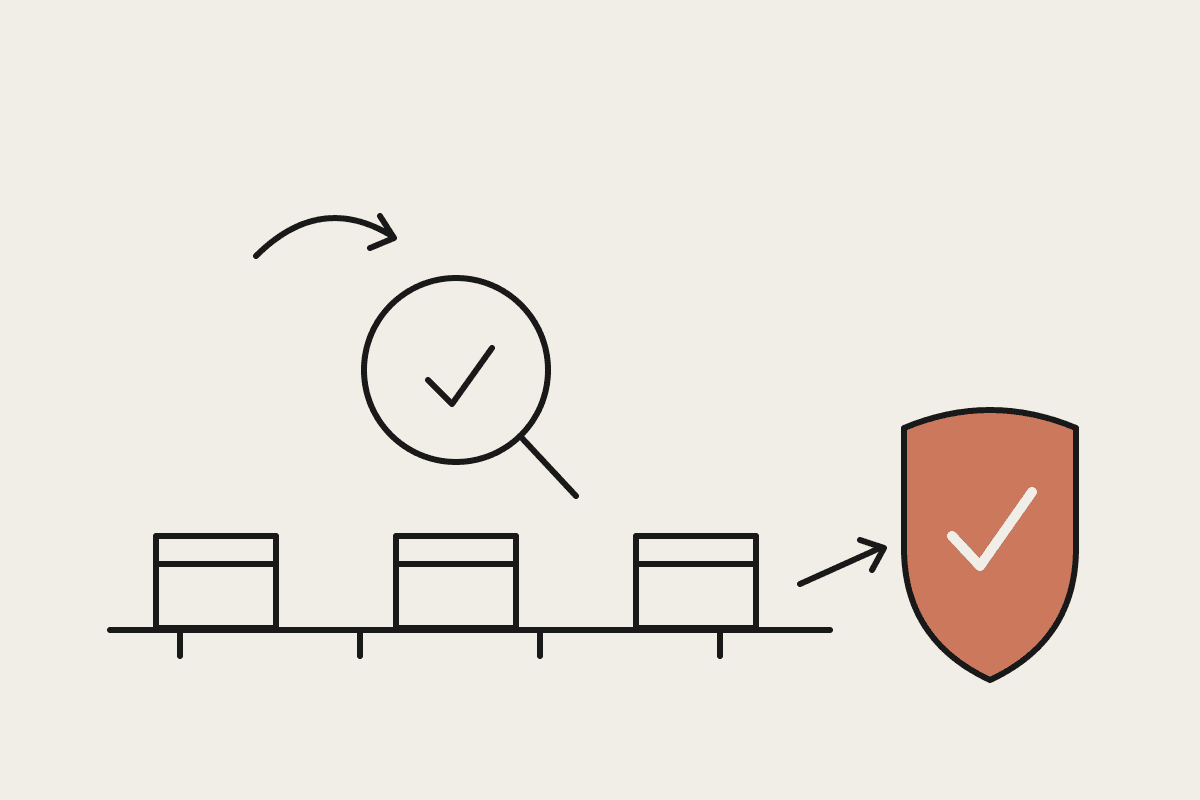
Before anyone mentions GPUs, work out your real monthly token volume. That single number tells you which side of the line you are on. If you are spending under $5,000 a month on AI, self-hosting is very unlikely to save you anything once people and hardware are counted, and the engineering risk is real.
Measure current monthly token volume and spend before pricing any hardware.
Add the people cost honestly, including on-call and upgrade testing.
Treat self-hosting as a later option you grow into, not a default you start with.
If you want help estimating your volume and the true cost of each path, book a brainstorm and we will run the numbers with you before you commit to anything.