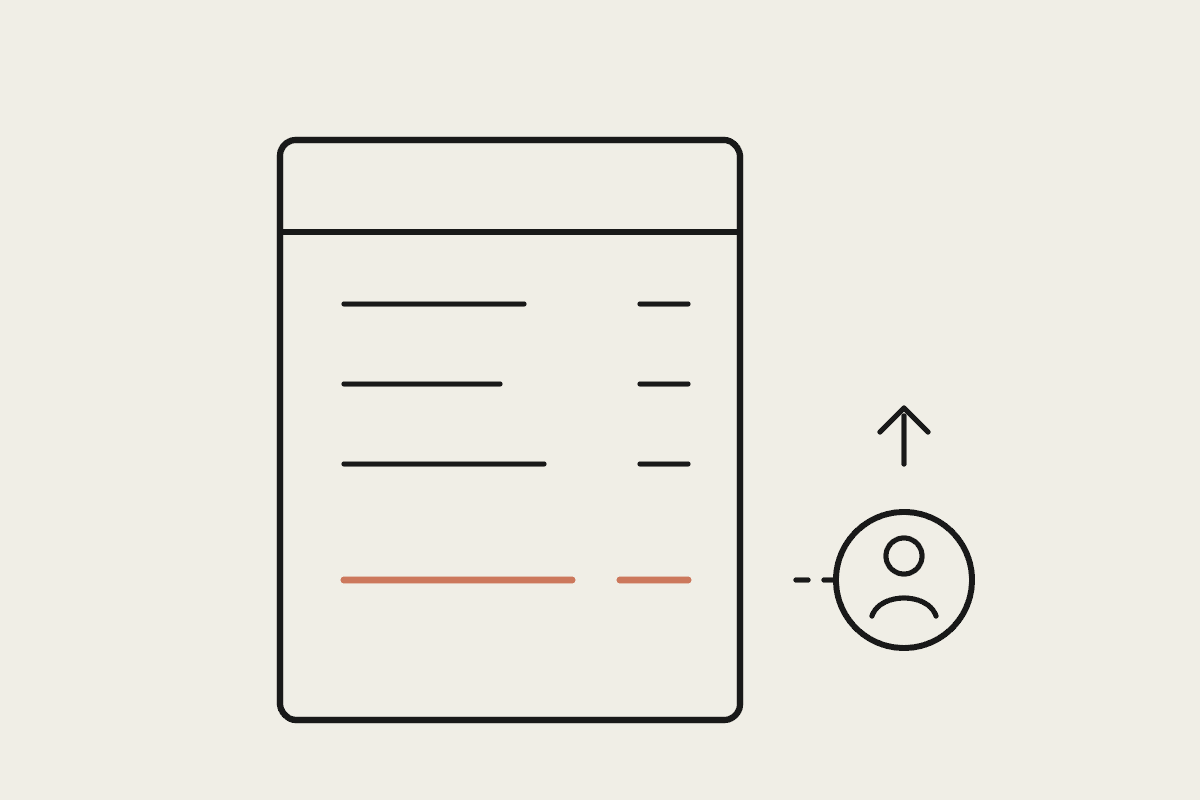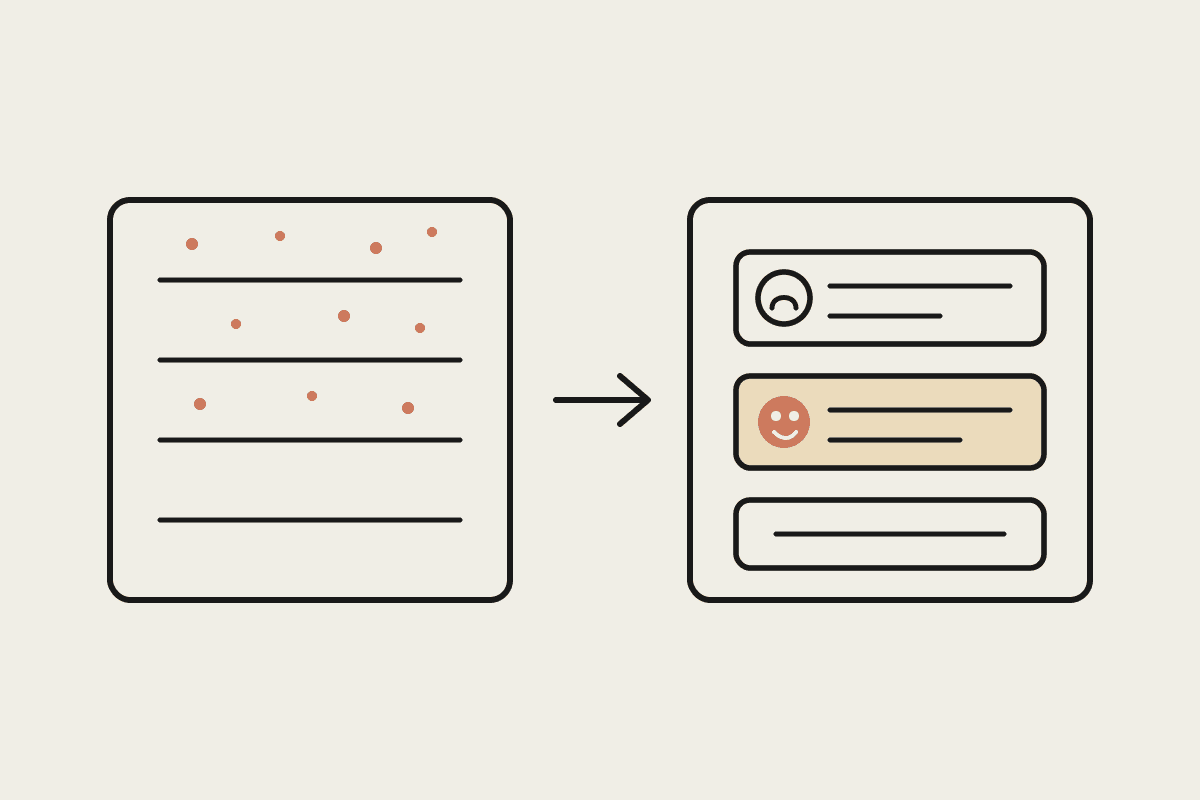
Total cost of ownership is the only fair way to compare an open source AI model with a managed one. The download price of an open-weight model is zero, and that single number quietly shapes a lot of poor decisions. The figure that should matter to an Australian small business is the one counted over three or four years, with every recurring cost included. Once you add the people, the infrastructure, and the compliance work, the picture usually looks very different from the free badge sitting on the model card.
Why a zero download price misleads
An open-weight model you can download for nothing still has to run somewhere, be maintained by someone, and meet the same privacy and security obligations as any other system holding customer data. The zero is real, but it only covers the weights. Everything that turns those weights into a working product sits on your side of the ledger, and most of it recurs every month for as long as the system is live.
The weights are free; the GPUs that serve them are not.
Someone has to patch, monitor, and scale the model in production.
Privacy and security duties under the Privacy Act do not change because the software was free.
Every model upgrade brings fresh testing and integration work.
The cost lines that never appear on a model card
A credible comparison counts every recurring cost, not just the obvious compute bill. For most Australian SMBs the largest line is not hardware at all. It is people. A capable machine-learning engineer in Sydney commonly costs $160,000 or more before on-costs, and an open source model in production rarely runs itself with no one watching it.
Compute, storage, and networking for a GPU server or cloud instance.
Engineering salaries to build, host, and keep the model serving traffic.
On-call cover so the system does not go dark overnight or on a long weekend.
Security review and audit work to satisfy the Privacy Act and any sector rules.
Testing and integration each time you move to a newer model.
Leave any of these out and the comparison flatters self-hosting in a way the invoices will later correct. A pilot that ran on a spare GPU for a few hundred dollars a month is not the same animal as a production system three teams depend on. The pilot is cheap because it carries none of the obligations that make the production version expensive.
What a managed Claude build takes off your plate
Building on Claude through the API folds most of those lines into a single, predictable charge tied to usage. You are not buying a GPU fleet, rostering on-call engineers for the inference stack, or rebuilding your product every time a new model lands. The recurring engineering burden that dominates a self-hosted total simply is not yours to carry.
No GPU fleet to buy, run, or keep busy.
No model patching, scaling, or tuning to staff.
No overnight on-call roster for inference.
No rebuild each time the underlying model improves.
That does not make managed the right answer every time. A business with steady, very high volume and an in-house ML team may genuinely come out ahead self-hosting. The point of a TCO model is to find out which case you are actually in, rather than assuming the free badge means free.
The three-year view, in real numbers
Over three years a self-hosted setup for a typical Australian SMB can pass $250,000 once people and compliance are counted properly. The hardware might be $30,000 to $60,000 of that. The rest is salaries, on-call, security work, and the quiet tax of every upgrade. A managed Claude build serving the same workload often lands well below that figure, because you pay for usage rather than for a standing team and a rack of GPUs that sit idle between requests.
Model the full three-year cost, not the first month.
Count the people, not just the machines.
Treat compliance and security as ongoing line items, not one-off setup.
Compare the total against usage-based managed pricing at the same volume.
How to build your own TCO model
A useful total-cost view follows a simple shape, repeated across thirty-six months. It is the document that ends the argument inside a business, because it replaces a download price of zero with the real figure you will actually carry. Build it once and the decision stops being a matter of opinion.
List every recurring cost, including people and compliance.
Project each line across thirty-six months, not one.
Add a contingency for upgrades and unplanned engineering.
Put the managed and self-hosted totals side by side at the same usage.
We build a TCO model for your specific workload so the decision rests on numbers rather than slogans. Sometimes self-hosting wins, often a managed Claude build does, and either way you see the real Australian figures first. If you want that costing done properly, book a costing session and we will work through it with you.