On 12 June 2026, Anthropic announced a partnership with Tata Consultancy Services, one of the largest IT services firms in the world. TCS will put Claude in front of 50,000 of its own staff across 56 countries and join the Claude Partner Network to build Claude-powered tools for regulated industries. For an Australian business owner, the headline is less about the size of the deal and more about the signal it sends. The firms that sell technology to banks, insurers, and governments are standardising on Claude for work where accuracy and an audit trail are not optional.
What the TCS deal actually covers
The announcement is broad, but the specifics matter because they show where a serious services firm is willing to put Claude across its own business and its clients.
TCS will roll Claude out to 50,000 employees as its own first customer, across engineering, finance, legal, marketing, and sales.
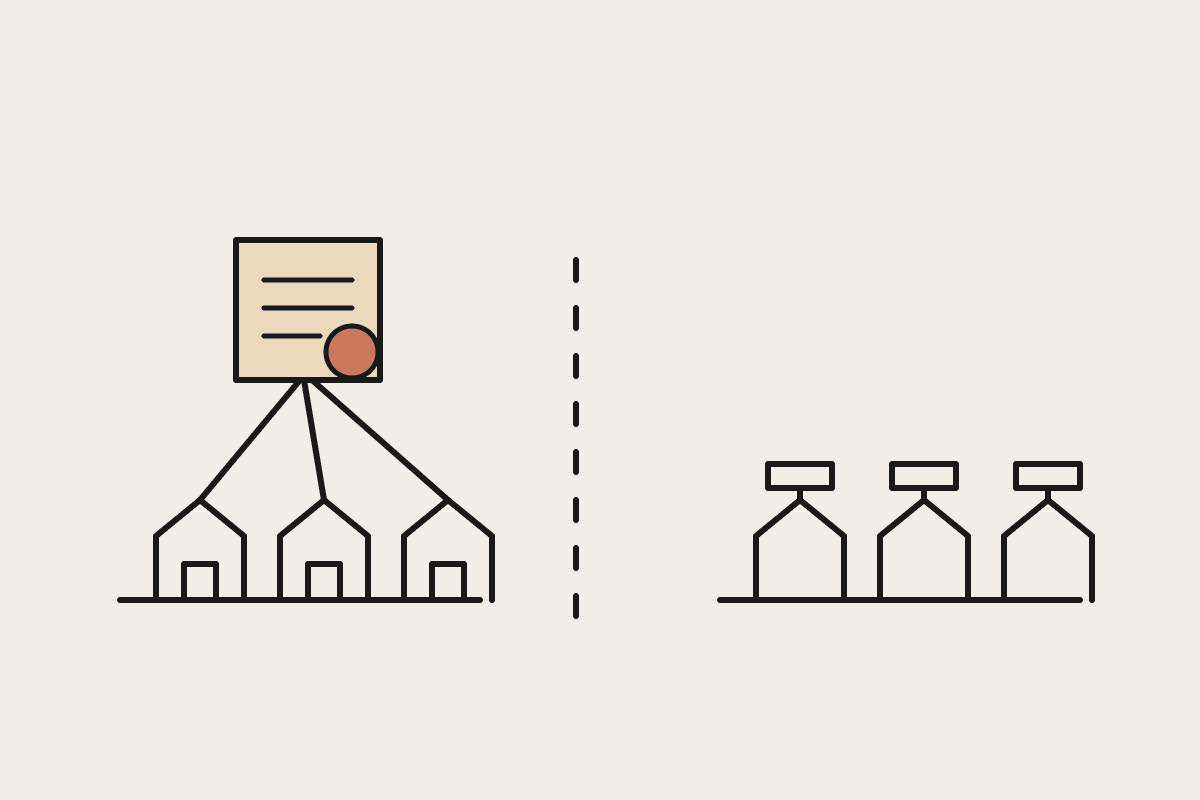
It joins the Claude Partner Network, building industry-specific tools such as claims processing for insurers and lending advisory for banks.
Diligenta, the TCS life and pensions arm, will use Claude across a book of more than 22 million policyholders.
TCS banking and financial product teams will adopt Claude Code for software engineering and IT operations.
TCS engineering will publish reusable skills and plugins back into the Claude ecosystem, starting with claims adjudication and lending advisory.
The pattern is consistent. The work being handed to Claude sits in financial services, insurance, healthcare, and public services, the sectors where a wrong answer carries a real cost and where a regulator may later ask exactly how that answer was produced.
Why regulated work keeps landing on Claude
Regulated industries share a short list of requirements that shape every technology decision they make. A model that cannot meet them does not get past procurement, regardless of how well it scores on a public benchmark.
Accuracy under pressure, because an error in a claim or a loan assessment has a financial and legal cost.
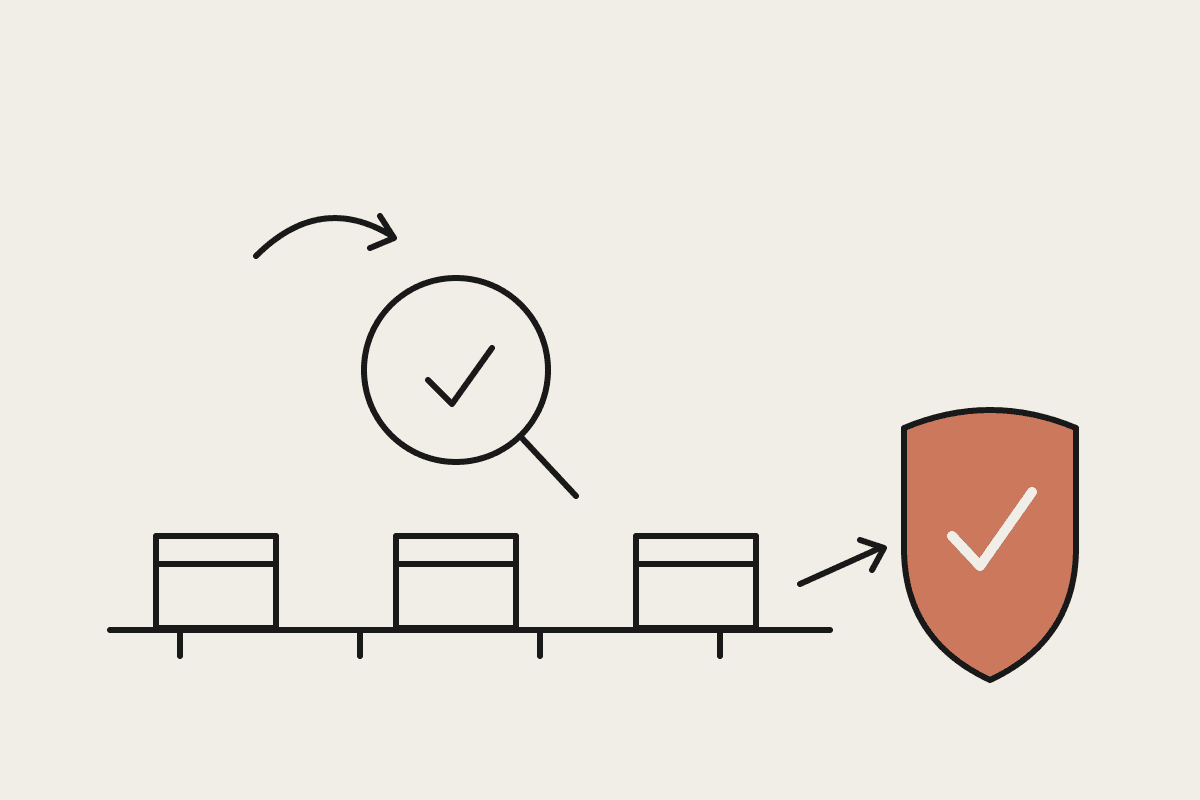
A clear audit trail, so a decision can be explained to an APRA or ASIC reviewer months after it was made.
Data handling that meets the Privacy Act and, for finance, AUSTRAC obligations.
Predictable behaviour, so a process responds the same way in December as it did in June.
These are the same reasons a Sydney bank or a Melbourne insurer is careful about adopting AI at all. The TCS deal is a large and public vote for Claude on precisely those terms, made by a firm whose entire business depends on getting regulated work right for its clients. When that kind of buyer commits, it tends to reflect months of security and compliance review rather than a quick trial.
What this means for an Australian SMB
Most Australian businesses are not running a 22 million policyholder book. The useful lesson here is about the shape of the decision rather than its scale. A 30-person accounting firm, a regional health provider, and a government supplier all face a smaller version of the same question: which AI can we trust with work that has to be right and has to be explainable later.
The answer the largest services firms are arriving at is the same one that fits a smaller team. Choose a model built for reliability and oversight, then choose a partner who knows how to apply it to your specific rules and processes. The technology is only half the decision; the other half is who helps you put it to work safely.
A local specialist beats a generic vendor
TCS is the partner of choice for a multinational bank. For an Australian SMB, the equivalent is a local Claude specialist who knows both the platform and the local regulatory ground. That focus is where the value sits.
A specialist reaches a working result faster than a generalist learning on your budget.
Knowledge of APRA, ASIC, and Privacy Act obligations is built in, not researched after the project starts.
You build on the same Claude foundation the largest firms trust, sized and priced for a smaller team.
On a typical $40,000 first project, that focus can cut weeks of exploration and several thousand dollars of wasted effort. A self-hosted alternative, built and staffed in-house, can run past $200,000 a year once people and compliance are properly counted. That gap puts a managed Claude build well within reach for most Australian SMBs, and it is the same calculation the big firms are making at a far larger scale.
Where to start
The practical move is not to copy the scale of the TCS deal but to copy its logic. Pick one regulated or repetitive process, prove that Claude handles it accurately and with a clean record, then expand from there. Starting small keeps the risk low while you build confidence and an audit trail you can show a client or a regulator.
If you want help mapping that first build, we work with Australian businesses to choose the right process and ship it on a Claude-first foundation. Book a brainstorm and we will scope it in plain figures.