More Australian health practices are using AI tools to draft the words that sell their services: website copy, Google Business posts, newsletters, social captions, even the blurb on a new practitioner's profile. Claude and similar tools can turn a rough brief into publishable copy in minutes. The catch is that AHPRA does not care who, or what, wrote the advertisement. If your name or your practice sits behind a regulated health service, you are accountable for every claim in it, including the ones an AI model invented on your behalf.
What Section 133 actually prohibits
AHPRA regulates the advertising of regulated health services under Section 133 of the National Law. The rules are technology-neutral, so an AI-drafted Instagram caption is judged by exactly the same standard as a printed brochure. A regulated health service must not be advertised in a way that is false, misleading or deceptive, and there are four more specific traps that AI content walks into more often than human-written copy.
False, misleading or deceptive claims, including anything that overstates what a treatment can do.
Testimonials about the clinical aspects of a service. The National Law bans them, and that ban covers AI-generated or fake reviews that only look like real patient stories.
Offers, gifts or discounts advertised without their full terms and conditions.
Content that creates an unreasonable expectation of beneficial treatment, such as promising a cure or a guaranteed result.
Anything that encourages the indiscriminate or unnecessary use of a health service.
Breaches are prosecutable. A court can order a penalty for each offence, and maximum penalties for advertising breaches run into the tens of thousands of dollars per offence for a body corporate. For most practices the bigger cost is the cleanup: pulling campaigns, responding to a notification, and the legal review that follows. Budget a serious breach at $45,000 or more once you count staff time, external advice and lost trust, and the case for a review step before you publish makes itself.
Why AI content trips the rules more often
Language models are built to sound confident and persuasive. That is close to the opposite of what health advertising law rewards. Three failure modes show up again and again in AI-drafted copy for Australian clinics.
Invented evidence. Ask a model for a punchy statistic and it may return a number that reads well but has no source. Under Section 133, an unverifiable claim is a misleading claim.
Fabricated patient voices. A prompt like 'write a happy patient review for our clinic' produces a purported testimonial, which is prohibited even when everyone knows the person is not real.
Superlatives and cure language. Models reach for words like 'best', 'painless', 'safe' and 'guaranteed' because they sell. Each one is a compliance risk in a regulated health context.
The rules have also tightened specifically around AI. From 2 September 2025, AHPRA's stronger requirements for advertising cosmetic procedures restrict AI-generated images, limit before-and-after photos, and ban the use of influencers. If you run a cosmetic, dermatology or aesthetics practice in Sydney or anywhere else in Australia, AI-generated imagery is now an area to treat with real caution rather than convenience.
The pre-publish compliance checklist
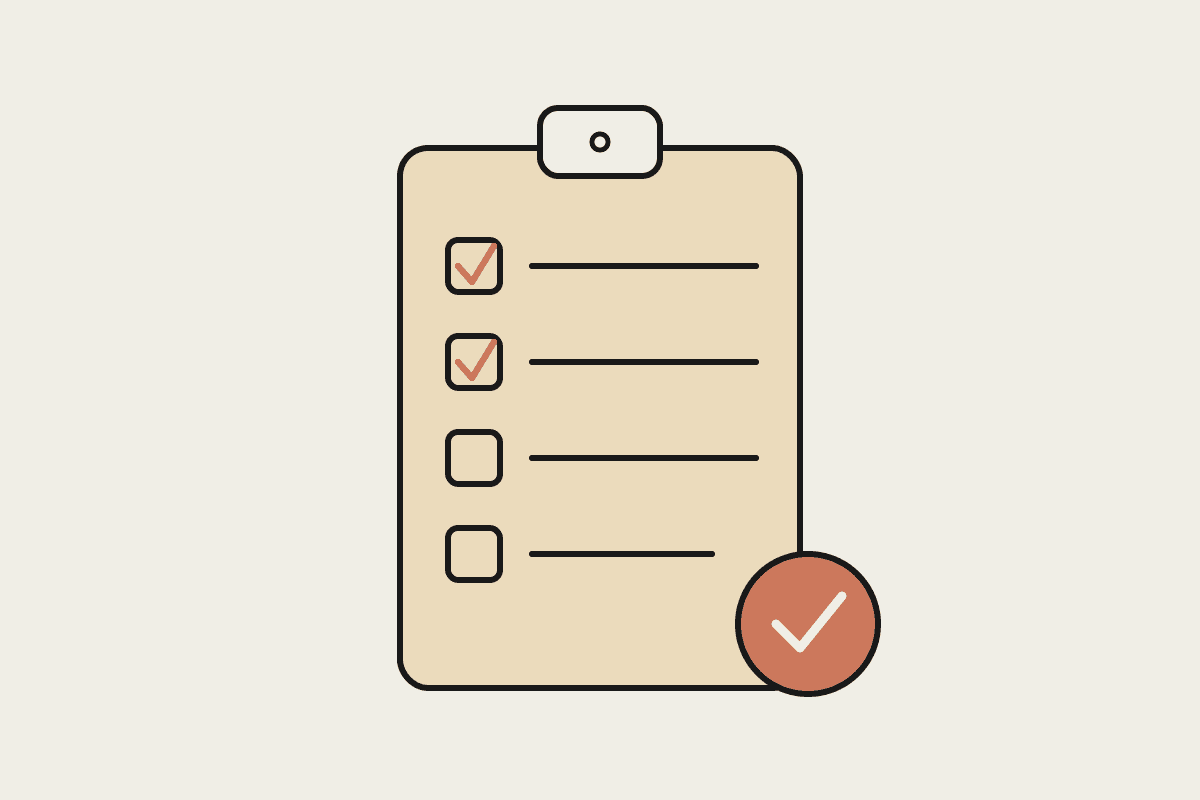
Run every piece of AI-assisted advertising through this list before it goes live. It is written to be pinned next to whoever approves your marketing.
Every factual claim has a source you could show a regulator. No source, no claim.
No testimonials or reviews about clinical care appear anywhere in the copy, and nothing has been generated to imitate one.
No superlatives, comparative claims, or cure and guarantee language remain in the final version.
Any offer, discount or bulk-billing statement carries its full terms and conditions.
Cosmetic and surgical content meets the tighter September 2025 rules, including the limits on AI-generated and before-and-after imagery.
No real patient information was pasted into the AI tool, keeping you clear of Privacy Act problems.
A named person has read the final copy against these points and signed off in writing.
How to use Claude without creating a compliance problem
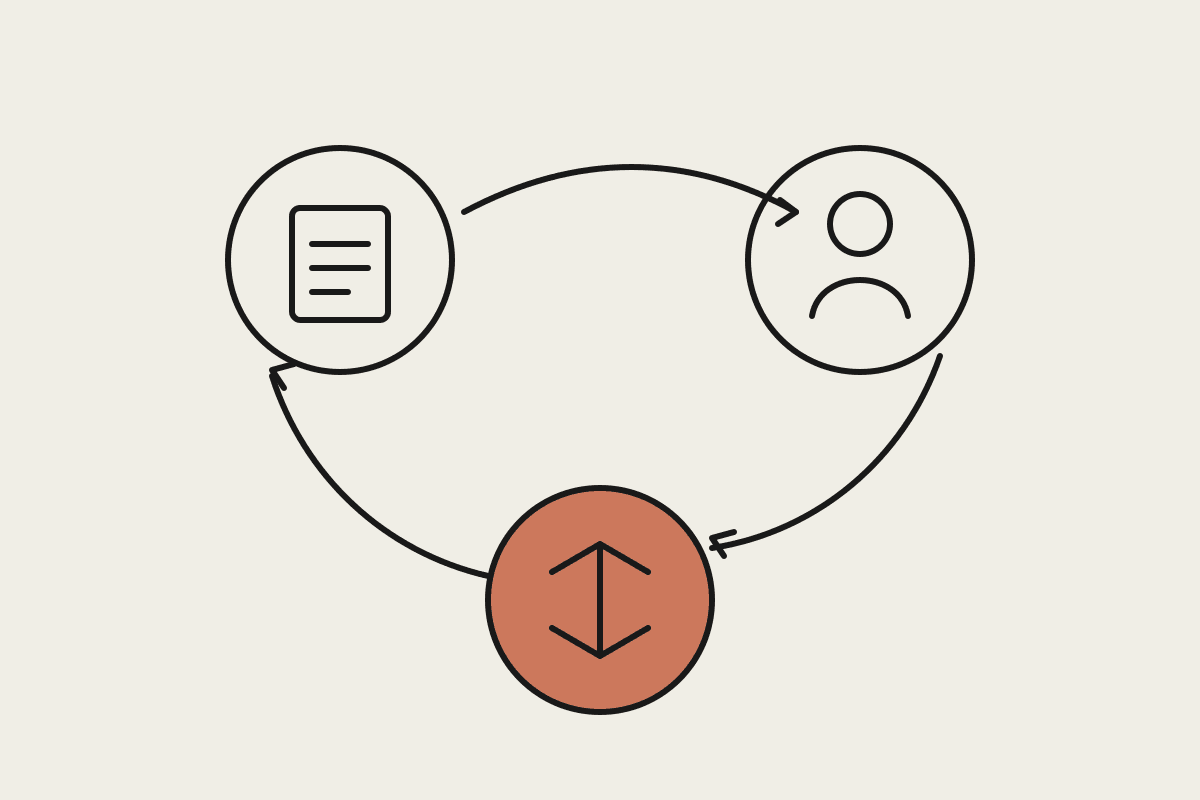
None of this means dropping AI from your marketing. It means putting a boundary around it. The practices that use Claude well for health advertising treat it as a fast first-draft writer working inside a fixed set of rules, not an autonomous publisher.
Give the model your rules up front. A reusable instruction that lists the Section 133 prohibitions and your banned words steers most of the risk out of the first draft.
Keep a human reviewer as the last step. AI writes, a person who understands AHPRA approves, and that order never changes.
Never feed the tool real patient details, images or records. Work from de-identified briefs so nothing sensitive leaves your control.
Save the final approved version and the name of whoever signed it. If a notification ever lands, a short paper trail is worth a great deal.
A clinic that sets this up once tends to move faster, not slower. A Melbourne allied-health group we worked with cut its content approval time roughly in half while adding a compliance gate it did not have before, because the AI handled the drafting and the reviewer only had a clean checklist to run. The tool did the typing; the practice kept the judgement.
AHPRA compliance and AI content are not in conflict. The risk is not the tool, it is publishing whatever it produces without a check. Get the guardrails and the review step right and you get the speed without the exposure. If you want help building a compliant AI workflow for your practice, book a brainstorm with our team.