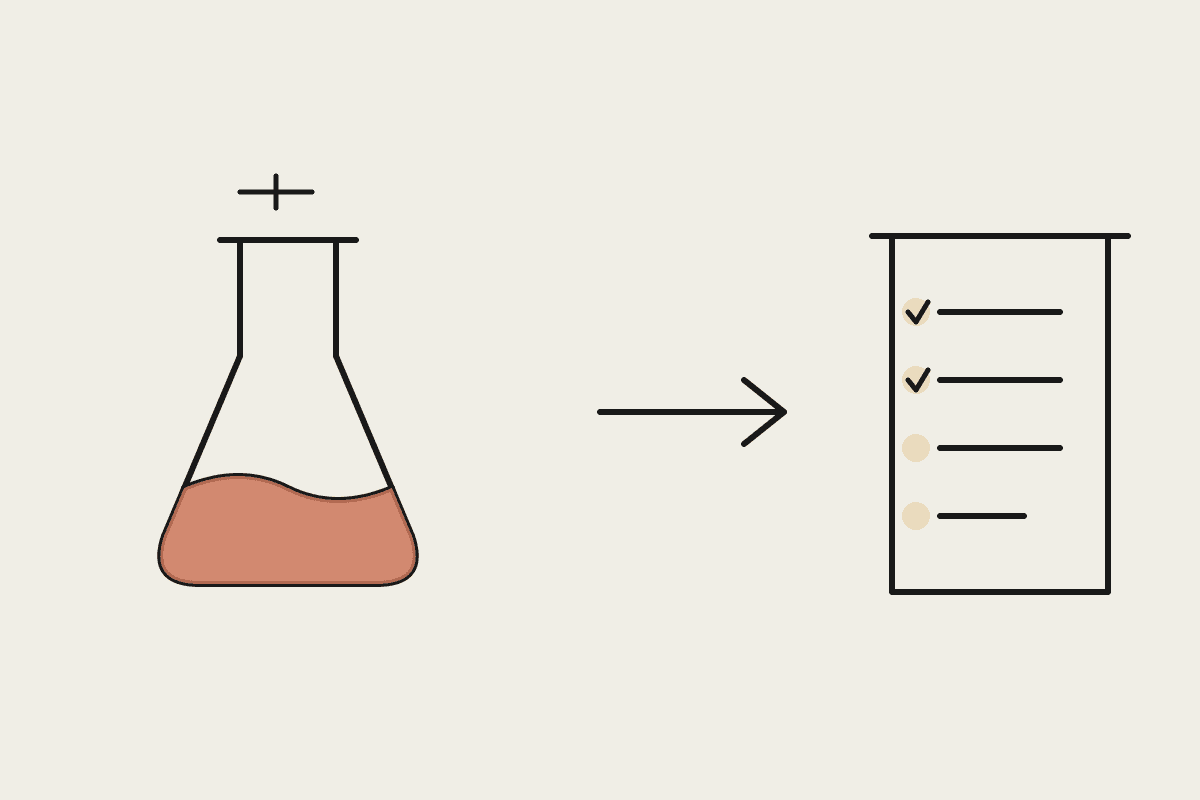
Anthropic's product guide for Claude Science includes two statistics worth sitting with, whatever industry you work in. Deloitte's 2026 Life Sciences Outlook found 78% of biopharma and medtech leaders expect AI to play a central role in driving major change this year, while only 14% report full implementation of AI tools into daily workflows. Separately, Anthropic's own research across chemistry, physics, biology and computational fields found 91% of scientists want more AI in their work, and 79% named trust and reliability, not cost or capability, as the number one barrier.
That is not a capability gap. It's a trust gap, and it shows up in Australian businesses well outside research and life sciences.
Why "it can do the task" is not the same as "we trust it to"
Most AI adoption stalls happen after the pilot, not before it. A team runs a proof of concept, the model performs well on the demo, everyone agrees it's impressive, and then the project quietly stops progressing toward production. The usual reason is not that the tool can't do the work.
It's that nobody has built the scaffolding that makes the output verifiable. Where did this answer come from? What source grounded it? What happens when it's wrong, and how would we know? Without answers to those three questions, a promising pilot stays a pilot indefinitely, because no manager wants to be the one who signed off on an output they couldn't trace.
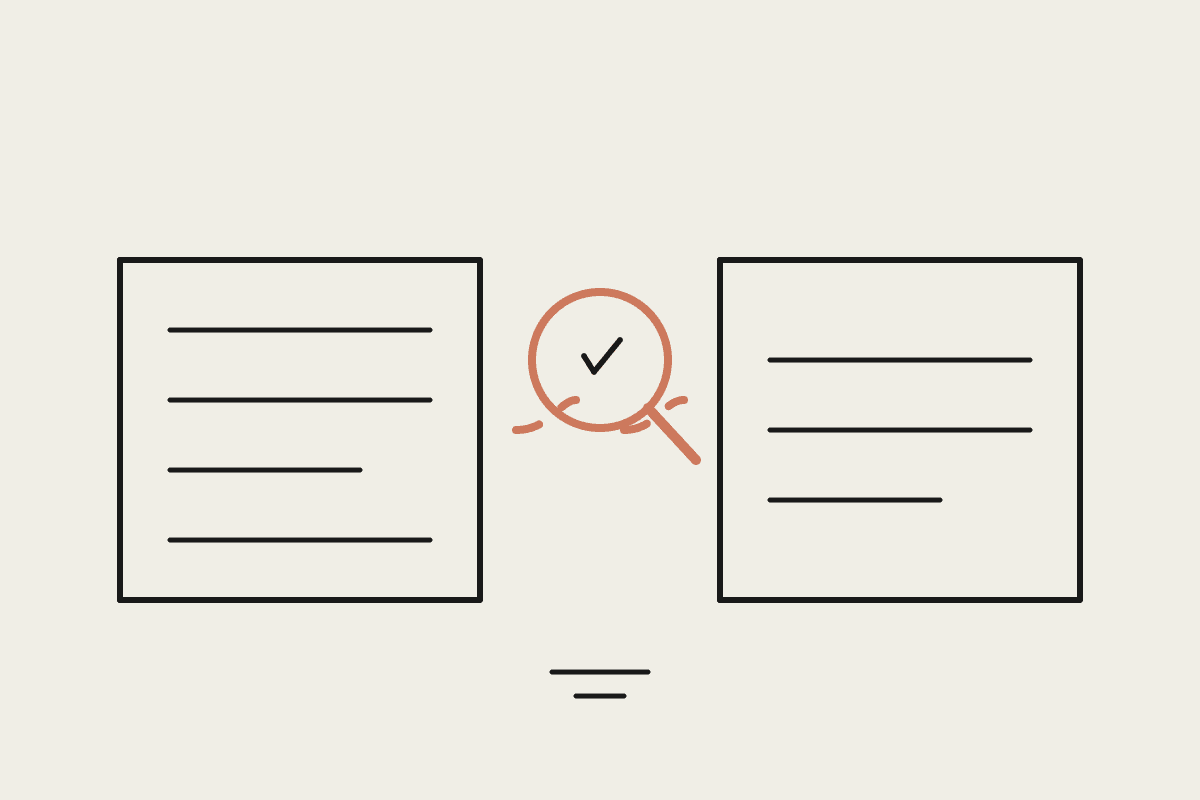
Claude Science addresses this for research teams with database connectors and grounded workflows rather than a bare chat interface, so answers trace back to a source instead of arriving as an unverifiable paragraph. That same pattern, connector-grounded rather than freeform, is what separates a pilot from a workflow people actually rely on.
What the gap looks like outside a lab
For Australian businesses adjacent to research, whether that's healthcare, agtech, university-linked ventures, applied science, or engineering consultancies, the adoption gap tends to follow the same shape:
A promising pilot that impressed everyone in the room, then stalled because nobody could explain where a given output came from.
Staff quietly double-checking AI output by hand anyway, which erases most of the time saving and none of the licence cost.
No clear owner for verifying accuracy, so trust never gets built up systematically and every new use case starts from zero.
A compliance or ethics question that surfaces late, after the tool is already in informal use, and freezes everything while it gets resolved.
That last one is worth flagging for anyone handling health or personal data. Under the Privacy Act, where an output came from and what data touched it isn't an engineering nicety. It's the thing you need to be able to answer when someone asks. Building traceability in from the start is considerably cheaper than retrofitting it after a pilot has already spread informally across a team.
Verification is a design decision, not a phase
The instinct when a pilot stalls is to look for a better model. Usually the better move is to look at what the model is connected to. An AI that reads from your actual systems of record produces answers a person can check in thirty seconds. An AI working from a pasted document and general knowledge produces answers that take as long to verify as they would have taken to write.
Closing the gap is less about capability and more about two practical things: wiring the AI into your real systems so every answer is traceable, and giving someone clear ownership of spot-checking accuracy early on so trust compounds instead of resetting with each new user.
The ownership question people skip
Almost every stalled pilot we see has no named person responsible for judging whether the output is good. Everyone assumes someone else is watching. The fix is unglamorous: pick one person, give them a small sample to check each week, and write down what they find. Three or four weeks of that produces something a decision-maker can actually act on, which is far more than another demo will.
It also surfaces the failure patterns early. Most tools are reliably good at some tasks and unreliably poor at others, and knowing which is which is what lets a team use it confidently rather than cautiously everywhere.
Where to start
A scoped connector-grounding engagement, meaning linking Claude to your existing databases, document stores, or research repositories rather than leaving it as an open chat tool, typically runs A$4,000 to A$8,000 for a first integration. The range depends mostly on how many systems are involved and how clean the access paths already are.
For a Melbourne research group or a mid-size agtech business, that's usually the missing piece between a pilot everyone liked and a workflow people rely on. It's also the cheapest possible answer to the question a board or an auditor eventually asks, which is simply: how do you know this is right?
The encouraging read on those Deloitte and Anthropic numbers is that the appetite is already there. Ninety-one per cent of scientists wanting more AI is not a change-management problem. The work left to do is mostly plumbing and accountability, both of which are solvable, and neither of which requires waiting for a better model.
If you've got a pilot that impressed everyone and then went quiet, the blocker is usually traceability rather than capability. Book a session and we'll work out what it would take to connect it to your real systems.