For a Sydney or Melbourne public practice with 5 to 50 staff, the question is no longer whether AI changes tax season. It already has. The Big-4 spent 2024 and 2025 rebuilding workpaper, review, and client advisory workflows around large language models. Mid-market firms that ignore the shift watch their billable hours compress and their juniors leave for tech-adjacent roles. The firms that move first, even cautiously, see real margin recovery, often on the order of $200,000 to $500,000 a year for a 12-person practice. This piece is a practical map of where Claude actually helps an Australian tax practice, where it does not, and what TPB and ATO obligations sit on top of any AI adoption.
Where Claude fits in tax return drafting
Claude reads. That is the simplest way to think about it. A tax return at a mid-market practice is mostly the act of reading prior-year files, source documents, third-party data feeds, and client correspondence, then producing a coherent return that survives review. Drafting itself is the smallest part. Reading and reconciling is most of it. Claude handles that reading well, including handwritten notes scanned to PDF, ASIC company extracts, and rental property statements from property managers around Brisbane and Perth.
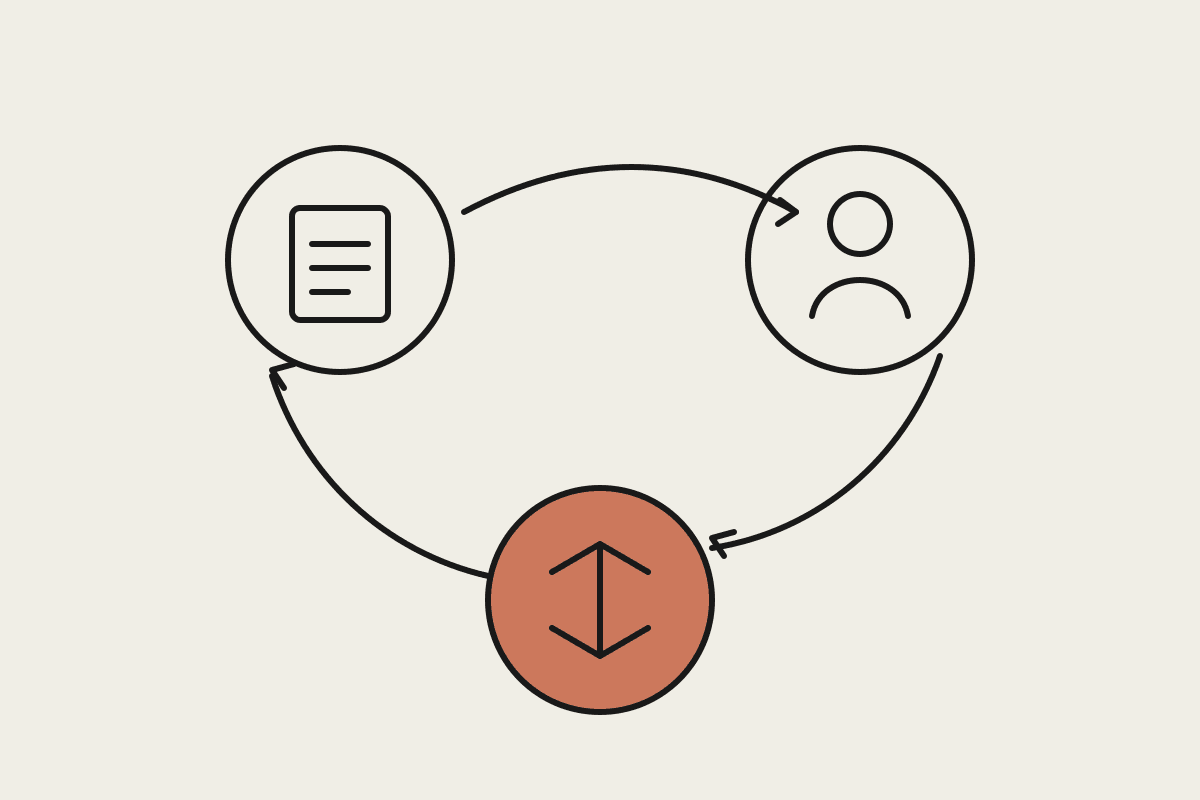
The practical pattern most AU firms are landing on looks like this. A senior accountant prepares a structured prompt with the prior-year tax return, the current-year working papers, and any new data feeds from the ATO pre-fill service. Claude returns a draft Individual Tax Return schedule with notes flagging discrepancies. The accountant reviews, accepts, edits, or rejects each item. The review keeps the human as the lodging tax agent of record, which is what the Tax Practitioners Board requires under Code items 1 and 9.
Concrete tasks where Claude pulls the most time out of a return season:
Reconciling prior-year carry-forward items against current-year working papers and flagging movement that needs a partner sign-off.
Drafting initial responses to ATO Activity Statement queries and amendment requests, then handing the draft to a BAS agent for review.
Producing first-pass capital gains tax schedules from broker contract notes, including cost-base adjustments for corporate actions.
Summarising twelve months of bank transactions into a coherent business narrative for the client letter that accompanies the return.
Drafting tax planning advisory memos for the June quarter, before the practice partner reviews and signs the final version.
TPB and ATO obligations matter more than the model choice
The Tax Practitioners Board Code of Professional Conduct is the binding constraint. Code item 1 on honesty and integrity, and Code item 9 on competence, both apply directly to AI use. The TPB's 2024 guidance on AI made the position explicit: a registered tax agent remains personally responsible for every position taken on a return, regardless of whether AI assisted the drafting. That cuts both ways. It rules out using AI as a fully autonomous return-lodger. It does not rule out using AI as a research and drafting assistant under partner supervision.
The ATO's own position, stated in its 2025 corporate plan, is that the regulator expects tax agents to use AI tools and that the ATO intends to deploy AI in return assessment internally. The Privacy Act 1988, especially the Australian Privacy Principles around cross-border data flows, sits underneath this. Practices using Claude through Anthropic's API or through Automata AI's hosted deployments need a written assessment that personal information handling meets APP 8 and the firm's existing client-confidentiality engagement letters. The assessment is not optional and ASIC has shown interest in how mid-market firms document this.
Integration patterns with Xero, MYOB, and QuickBooks AU
For Xero practices, the integration pattern is to export client trial balances and general ledgers as CSV, hand them to Claude alongside the chart of accounts, and ask for a structured review. Xero's API gives programmatic access if a firm wants to skip the manual export step. Most 5 to 15 staff practices we work with start manual for the first quarter and move to API access once the team is comfortable with what Claude is doing in the workflow.
MYOB practices have a slightly harder time because MYOB AE and AO sit on local Windows infrastructure for older deployments. The pattern there is to use MYOB's export to Excel, then hand the Excel to Claude. For QuickBooks Online AU, the pattern matches Xero closely. None of these integrations requires the firm to send data to a US-hosted endpoint when using Anthropic's AWS Sydney inference, which closes off the most common cross-border data concern raised by clients in regulated industries.
A realistic financial picture for a 12-person practice
Take a Brisbane practice with eight accountants, two BAS agents, one practice manager, and one principal. Annual fee revenue around $1.8M. Pre-AI billable utilisation about 65 percent. Cost base dominated by salary at roughly $1.1M. The recovery breakdown across a full financial year tends to land in this shape:
Tax return drafting time per Individual Tax Return drops from 90 minutes to about 55 minutes on average, recovering roughly $180,000 a year across 1,800 returns.
Client advisory letter drafting drops from 45 minutes per letter to about 12 minutes, recovering roughly $90,000 a year.
BAS preparation time drops about 30 percent across the quarterly cycle, recovering roughly $70,000 a year.
ATO correspondence drafting and research recovers another $60,000 a year through faster turnaround and fewer partner interruptions.
Total recoverable margin: about $400,000 a year. After Claude API costs, partner training time, and software adjustments of around $35,000, the net is roughly $365,000. That is the figure that gets a practice partner's attention. It also matches what we observe in the AU firms that have actually implemented this pattern over the last twelve months, rather than the much larger numbers some software vendors advertise.
What to do next quarter
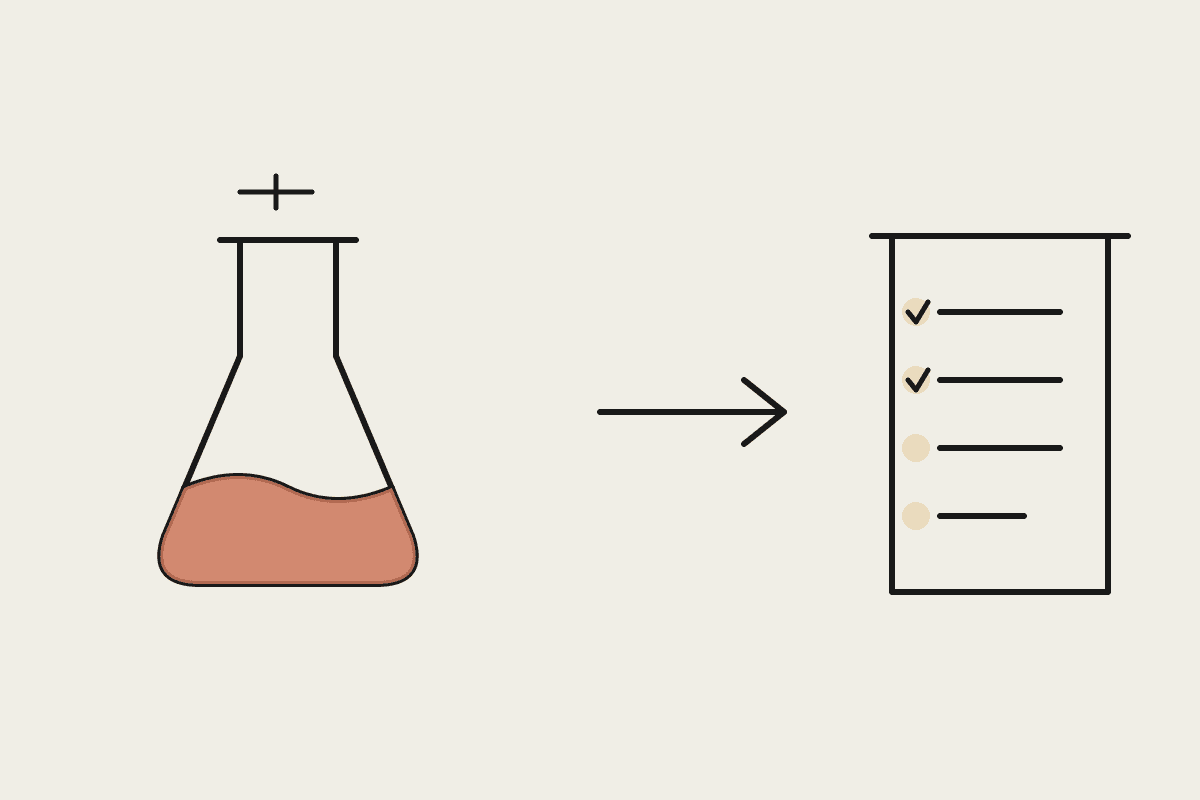
If your practice has not started, the right first move is a four-week pilot. Pick one senior accountant, pick the firm's highest-volume return type, and run parallel drafting for four weeks. Track time per return, error rate at review, and client feedback. At the end of four weeks, the data tells you whether to expand or stop. The pilot is cheap, the data is honest, and the partner group can decide on actual numbers from your own client book rather than vendor case studies.
What this is not: a rip-and-replace of your tax workflow. What it is: a different tool sitting next to Xero and MYOB on every accountant's desktop, doing the reading and the drafting that used to be done by hand. The TPB still requires a human tax agent of record. Claude does not change that. It just changes how that human spends their hours, and which parts of the return season they actually find interesting again.
For practices in NSW, VIC, QLD, or WA that want a structured pilot scoped to TPB obligations and AU data residency, book a 30-minute brainstorm and we will map your specific workflow against the patterns above.