Quantity surveying in Australia runs on precision and paperwork in roughly equal measure. A take-off might take a QS a day or two with the drawing set open, and then the cost report, the bill of quantities narrative and the client-facing summary take another day on top of that. Claude is not going to measure a slab off a plan set. What it can do is take a serious amount of the drafting and admin load off a practice that is billing $180 to $250 an hour for time spent formatting a report rather than checking rates.
Where Claude actually helps a QS practice
Most of the Sydney and Melbourne QS firms we have spoken with fall into two camps: those still writing cost reports from scratch in Word every time, and those with a template that a junior spends half a day reformatting per project. Claude sits well in both, working from the numbers your take-off software already produced rather than trying to replace it. In practice, the tasks that hand off cleanly include:
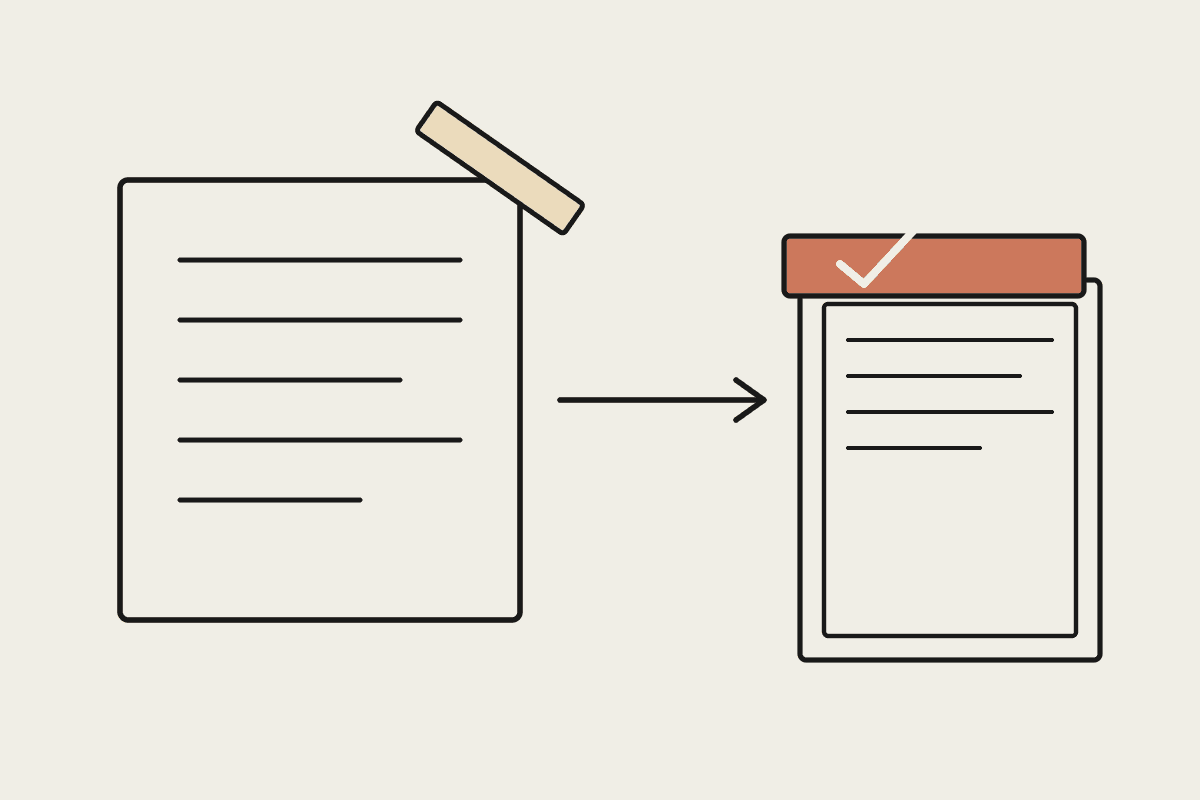
Cost report narrative: turning a completed elemental cost plan into the written report a client, bank or developer actually reads, in the firm's house style.
BOQ formatting and consistency checks: flagging inconsistent units, duplicate line items or missing sections against a standard method of measurement, before a senior QS signs off.
Progress claim summaries: drafting the plain-English cover note that accompanies a certified claim, referencing the relevant clauses of a SOPA-compliant contract.
Rate benchmarking commentary: writing up the comparison between current rates and a firm's historical cost database, for the section of the report that explains why a number moved.
Client correspondence: turning a phone call's worth of notes into a proper email or letter without losing an afternoon to it.
What "take-off support" actually means, and what it does not
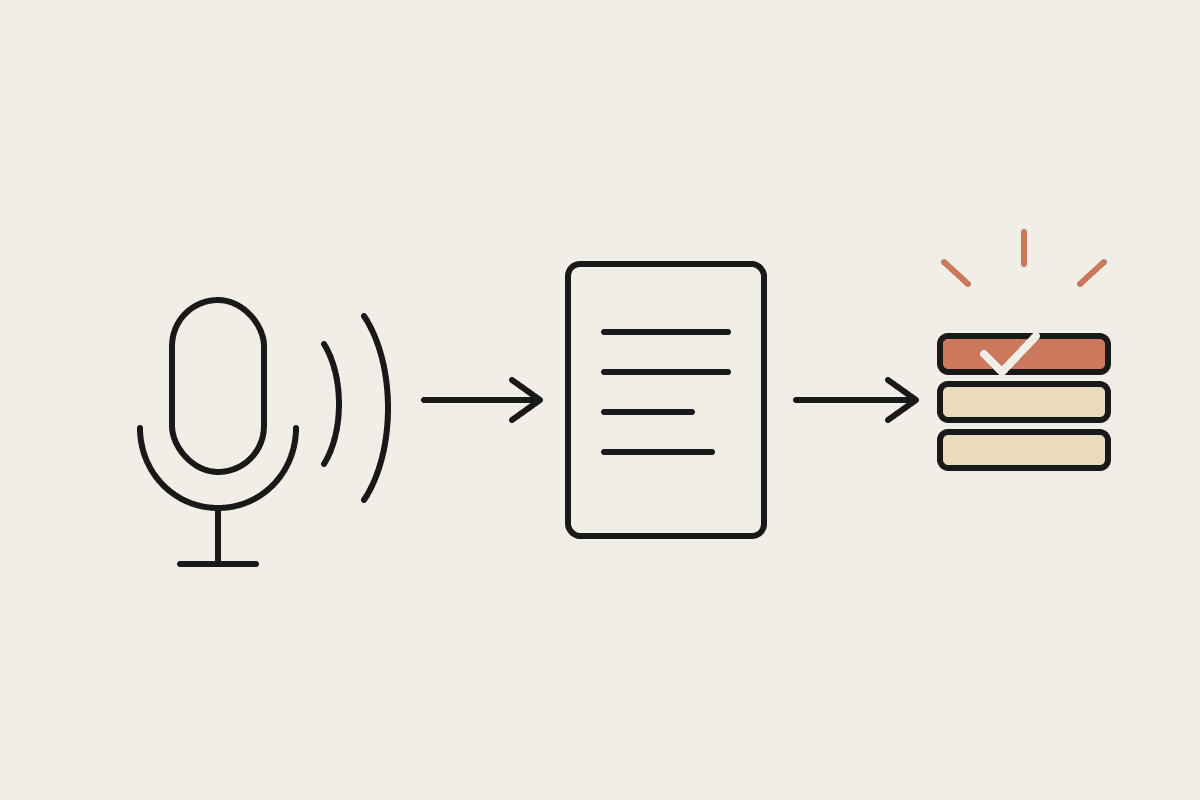
It is worth being precise here, because this is where practices get nervous, reasonably. Claude does not read a PDF plan set and produce a bill of quantities. It has no way to verify a dimension against a drawing, and it should never be asked to. Measuring stays with the QS and their own software, whether that is Cubit, Buildsoft or an on-screen take-off tool. Claude's role starts downstream of that: once the surveyor has done the measuring, Claude can turn the raw quantities into a formatted schedule, check that totals reconcile, draft the cost plan narrative, and catch obvious typos in item descriptions. That is not a shortcut around AIQS professional standards, it is a way to stop a qualified surveyor spending billable hours on document formatting. One Brisbane-based QS practice we advised estimated it was losing close to $45,000 a year in senior staff time on report formatting alone, work that a junior with Claude drafting the first pass could turn around in a fraction of the time.
Setting it up without the risk of a wrong number reaching a client
The one non-negotiable is that Claude should never be the source of a quantity or a rate. Those figures come from the firm's take-off software and cost database, full stop. What goes into Claude is the already-verified output: the elemental breakdown, the certified progress claim figures, the notes from a site visit. A short review step before anything leaves the practice, even just a senior surveyor scanning the draft against the source numbers, keeps the process honest. Under the Privacy Act, any client or project data fed into Claude also needs to sit within a business account rather than a personal login, particularly on residential jobs where a homeowner's contact details or financial information are part of the file.
The firms getting the most out of this are not trying to automate the profession away. They are using Claude to clear the two or three hours of formatting and drafting that sit between a finished take-off and a report a client can actually read, so the surveyor's time goes back to the work that needs an AIQS-qualified eye on it.
A useful side effect of setting this up properly is that a practice ends up with a searchable library of its own past cost reports and rate schedules, something most firms have scattered across old project folders rather than in one place. Once that library exists, Claude can pull from it directly when drafting the benchmarking commentary in a new report, so a comment like "rates for this trade have moved roughly 8 percent since the last comparable project" is backed by an actual figure from the firm's own history rather than a guess. For a mid-sized practice running 40 to 60 reports a year, that consistency is often worth more to a client relationship than the hours saved on formatting.
If your practice is buried in report formatting rather than take-offs, we run a short pilot on one report type at a time, so you can see where Claude fits before it touches anything client facing. Book a call to talk through what that looks like for your workflow.