If you run a 3PL warehouse, the SLA report is the document that decides whether the client relationship survives the quarter. And in most Australian operations, that report is still built by someone with three tabs open, cross-checking dock times against a client contract that lives in a different system entirely.
The work isn't hard, it's just repetitive and unforgiving. One transposed order number, one missed pick-to-dispatch timestamp, and the report understates a breach the client already knows about because their own tracking picked it up first. That's the moment trust erodes, not the breach itself.
Where the spreadsheet breaks down
Most warehouse management systems export raw event data cleanly enough. The problem sits downstream, in the manual layer between the WMS export and the client-facing report. That layer usually looks like this:
Someone manually maps SLA clauses (dock-to-stock in 4 hours, pick accuracy above 99.5%, on-time dispatch by 3pm) against raw timestamps, clause by clause, contract by contract.
Multi-client 3PLs run this process two or three times a week, once per contract, because every client's SLA terms are worded slightly differently.
Exceptions, a late dispatch caused by a carrier delay rather than a warehouse failure, get explained in email threads that never make it back into the report.
By the time a breach pattern is visible, it's usually been running for two or three weeks.
None of this shows up as a system failure. It shows up as a Sunday night spent rebuilding a report before Monday's client call, or a warehouse manager in Melbourne who can tell you exactly which client is unhappy but not exactly why, because the evidence is scattered across four spreadsheets and a shared inbox.
What Claude actually changes
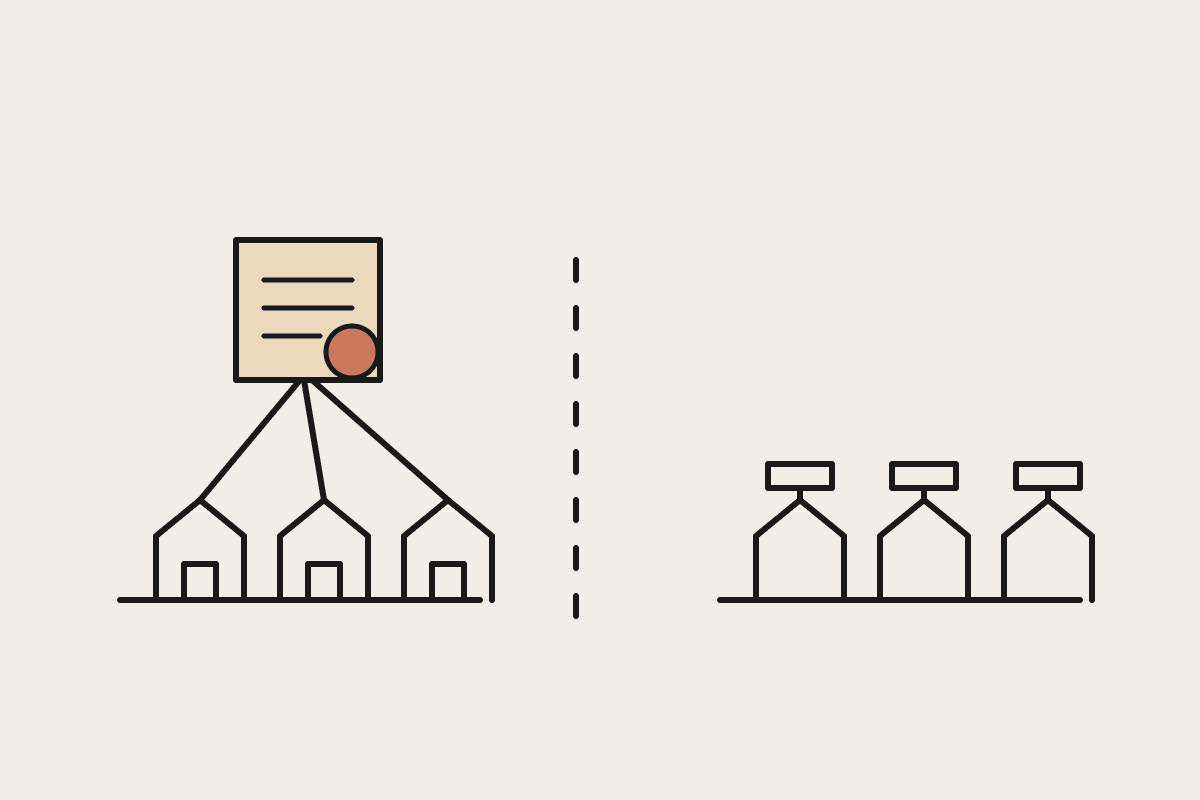
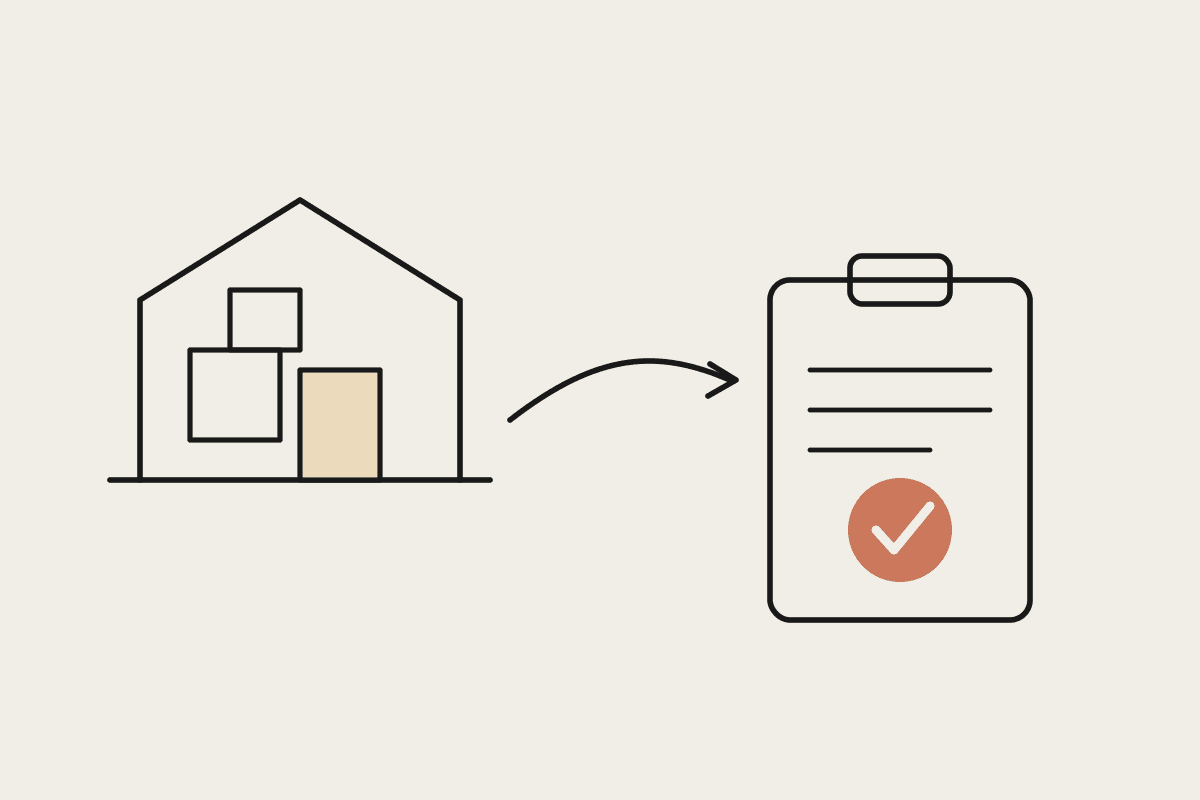
We build the SLA mapping as a standing rule set inside Claude, not a one-off script. Each client contract becomes a structured definition: which metrics matter, how they're calculated, what tolerance applies before a breach counts. Claude reads the WMS export, applies each client's rule set, and produces the report in the format that client already expects, whether that's a PDF summary or a table pasted into an operations portal.
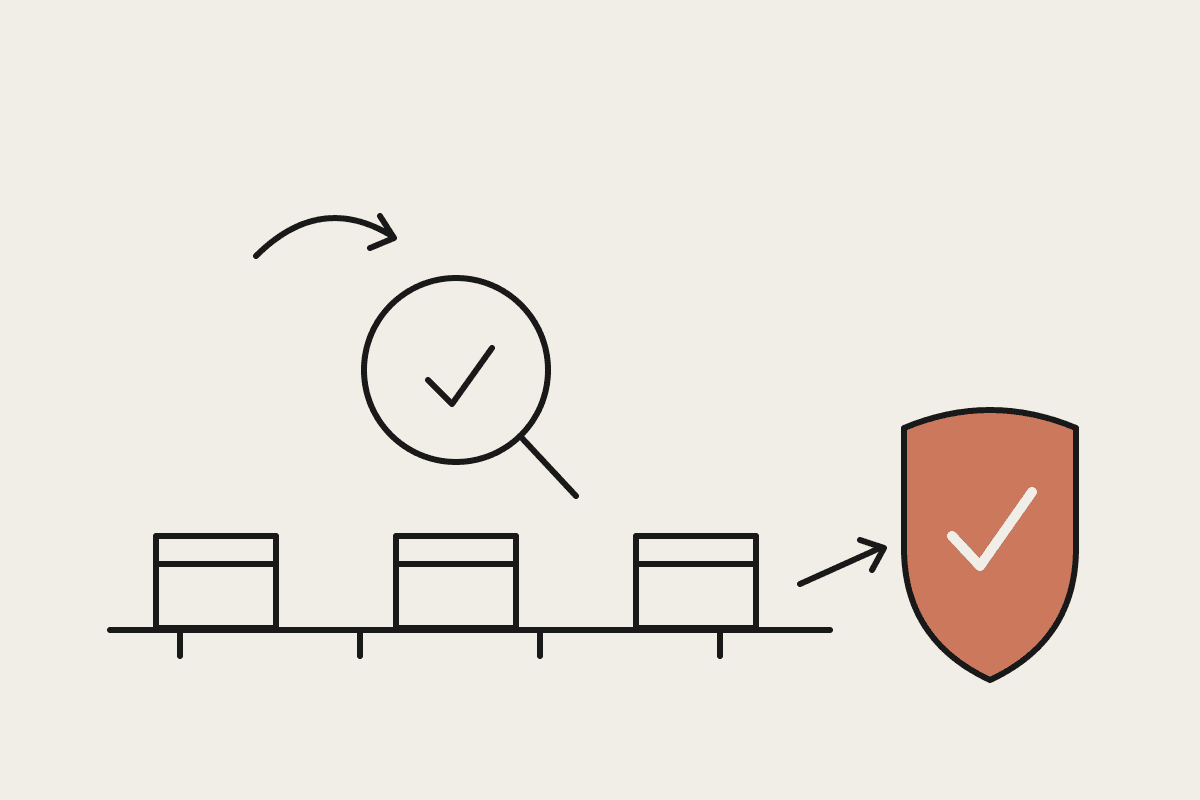
The bigger shift is timing. Instead of a report compiled after the fact, Claude flags an SLA metric drifting toward breach while there's still time to act on it: a pick queue backing up on a Thursday afternoon, a carrier consistently running late on a specific lane. One Sydney 3PL we worked with estimated its annual SLA penalty exposure at roughly $145,000, most of it tied to breaches that were only caught once the client's own tracking flagged them first. Catching the same pattern three days earlier turned several of those penalties into a phone call instead of a credit note.
This also removes a specific kind of risk: the manually-built report that quietly rounds a number in the warehouse's favour, not through dishonesty, just fatigue. A consistent rule set applied the same way every time is easier to defend if a client, or an Australian auditor, asks how a figure was calculated.
For 3PLs running ten or more client contracts out of a single Brisbane or Sydney site, there's a second benefit that shows up later: a consistent SLA rule set makes it far easier to spot which contracts are actually profitable once penalty exposure is factored in. A client with a tight 2-hour dock-to-stock clause and a high shipment volume might look like your best account on revenue alone, and your worst on margin once breach credits are counted properly. That comparison is almost impossible to do by hand across a busy multi-client site, because each report lives in its own spreadsheet with its own formatting. Once every contract runs through the same structured rule set, the comparison is a filter, not a week of reconciliation.
What a rollout actually looks like
This isn't a six-month systems integration. Most of the effort is upfront, in getting each client's SLA terms into a structured format Claude can apply consistently. A typical rollout runs like this:
Week 1: map two or three client contracts into structured SLA rule sets, using the existing WMS export as the data source.
Week 2: run Claude's reports alongside the existing manual process, checking both against the same week of data.
Week 3: hand the manual report over once the two match consistently, and add breach-drift alerts for the metrics that matter most.
Ongoing: extend the rule sets to the rest of the client base at whatever pace suits the operation.
None of this requires ripping out the WMS or changing how the warehouse floor operates day to day. It sits on top of the data that already exists and turns it into something a client, or an Australian regulator if the contract involves one, can rely on without a phone call to double-check it.
If Sunday nights rebuilding SLA reports sound familiar, book a short call and bring one client contract. We'll show you what the reporting looks like once it's mapped once and applied consistently, breach by breach, client by client.