Agribusiness rarely features in AI vendor keynotes, yet it is one of the sectors where the open-versus-managed model decision has a genuinely practical shape. The reason is connectivity. Head offices in Toowoomba, Wagga Wagga or regional Western Australia run on decent links; the sheds, silos and utes often do not. That splits AI workloads into two natural tiers, and each tier suits a different kind of model. Getting the boundary right is the whole game.
Where small open models earn a place
Open-weight models can run on hardware you own, with no internet dependency at the moment of use. That matters on a property where a signal drops behind a hill. The on-farm and depot tasks that suit a small local model tend to be structured and repetitive:
Transcribing and structuring voice notes recorded in the paddock, synced once coverage returns
Reading weighbridge dockets, delivery slips and chemical labels into structured records
Local search across agronomy notes, spray diaries and equipment manuals in the workshop
Quantised models in the 7B to 30B class handle these jobs on a $2,500 to $5,000 device, a one-off cost that beats trying to solve a connectivity problem with a recurring cloud subscription. The output is not always polished, but for turning a spoken note or a smudged docket into a clean row of data, polish is not the point. Reliability without a signal is.
Where Claude carries the office
The paperwork side of Australian agriculture is heavy and getting heavier, and it lives where the bandwidth is. This is language-heavy, judgement-adjacent work where model quality pays for itself:
Grant and rebate applications, from drought resilience programs to on-farm energy schemes
Compliance documentation: chemical use records, biosecurity plans and WHS registers
Quoting, contracts and seasonal labour paperwork
Summarising agronomist reports and market updates into a one-page brief for the week
Put a number on it. A mixed grain and livestock operation spending 15 office hours a week on documents, at a loaded $60 an hour, carries about $47,000 a year in paperwork cost. Cutting a third of that with Claude-based workflows returns more than most equipment upgrades, for a setup cost around $3,500. The saving is not hypothetical; it is the difference between a grant deadline met and one missed, and between a compliance register that is current and one reconstructed in a panic before an audit.
Getting the split right
The mistake we see most often is forcing one tool to do both jobs: a cloud model wedged into an offline workflow, or a small local model asked to draft a grant application it cannot handle. Neither ends well. Design the boundary deliberately instead:
Anything client-facing, compliance-critical or judgement-heavy goes to the managed model
Anything offline, repetitive and structured stays on local hardware
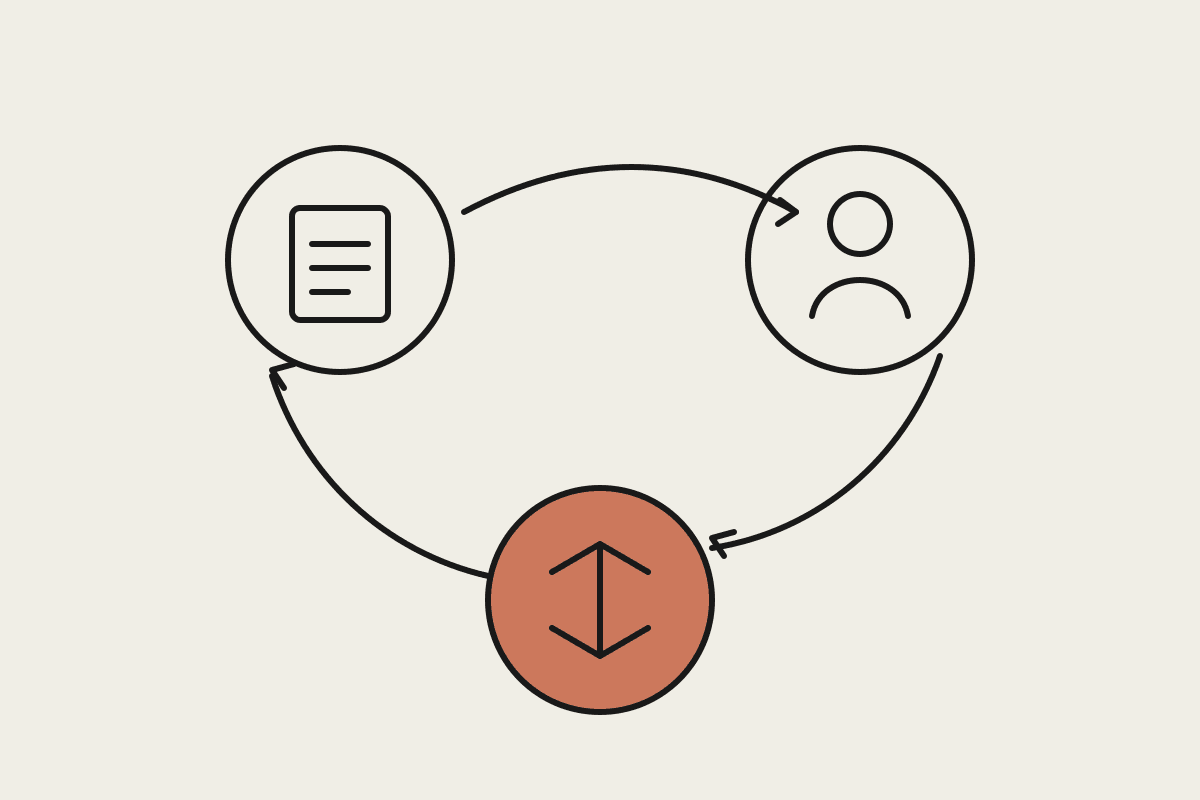
Sync points reconcile the two whenever connectivity allows, so nothing is stranded on a device in a shed
The practical test for any task is simple: does it need judgement, or does it need to work without a signal? Judgement points to Claude. No signal points to a local model. A surprising number of workflows only feel hard because they were never sorted into the right tier in the first place.
A week on a mixed farm, split the right way
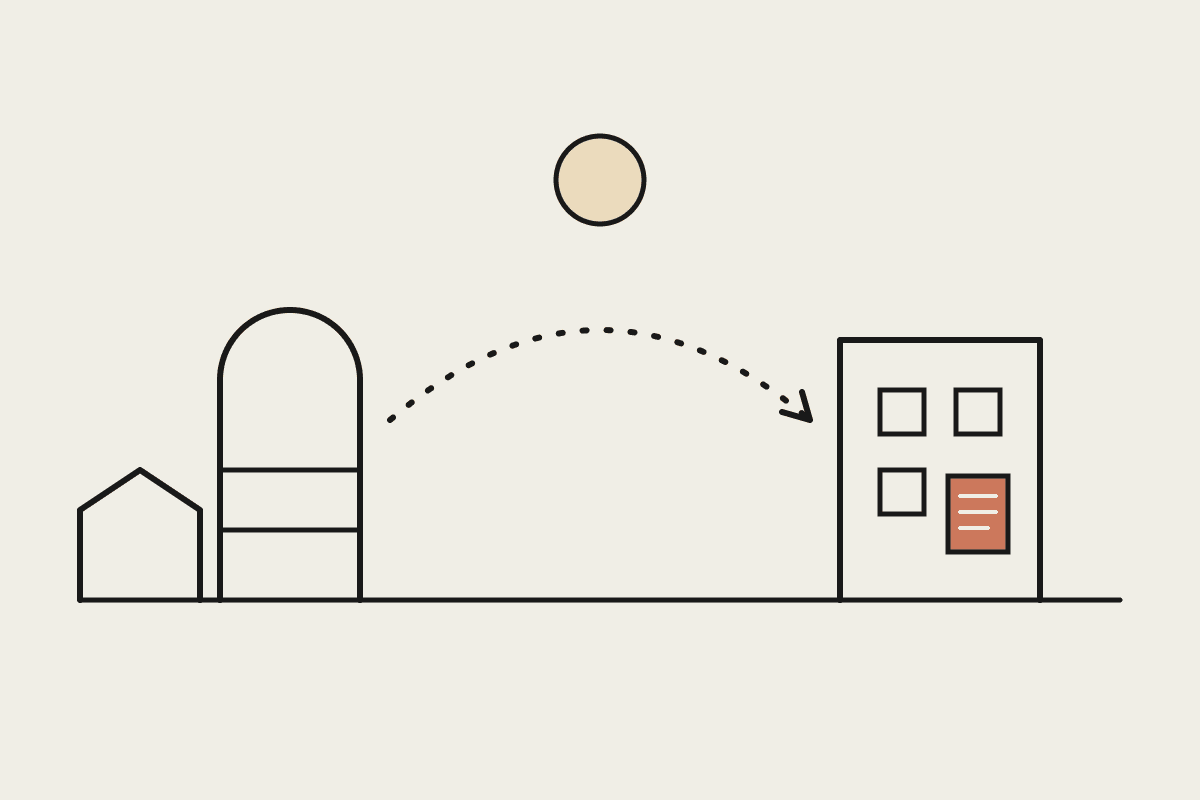
Picture a family operation outside Wagga Wagga. Through the week, the machinery operator dictates fault notes and delivery times into a phone app running a local model in the ute, with no bars of signal for hours at a stretch. Those notes queue on the device and sync to the office system the moment the vehicle rolls back into Wi-Fi range. Meanwhile the person running the books uses Claude to draft the quarter's chemical use return, pull three agronomist reports into a single Monday brief, and rough out a drought resilience grant application that would otherwise sit untouched until the deadline loomed. Neither tool is asked to do the other's job. The local model never tries to write a grant; Claude is never stranded waiting for a signal in a paddock. That is the entire design principle, applied to one ordinary week, and it is why the split holds up better than any single all-purpose tool would.
Data sovereignty and where to start
Data sovereignty is a quiet bonus of getting this right. Farm financials and land data stay in Australia under either tier when the architecture is set up properly, which increasingly matters to lenders and co-ops asking sharper questions about data handling. The Privacy Act obligations that apply to any business holding personal information apply to a farm office too, and a clean split makes those obligations easier to meet rather than harder.
If you are weighing this up, do not start with the model. Start with a fortnight of your own office and field tasks written down, sorted into connected and offline columns. That list tells you almost everything about which tier each job belongs in, and it turns a vague AI ambition into a short, costed plan. We are a Sydney-based, Claude-first consultancy and we scope agribusiness automation with the connectivity reality in front of us, not a slide deck. Book a free brainstorm and we will map your split with you: get in touch.