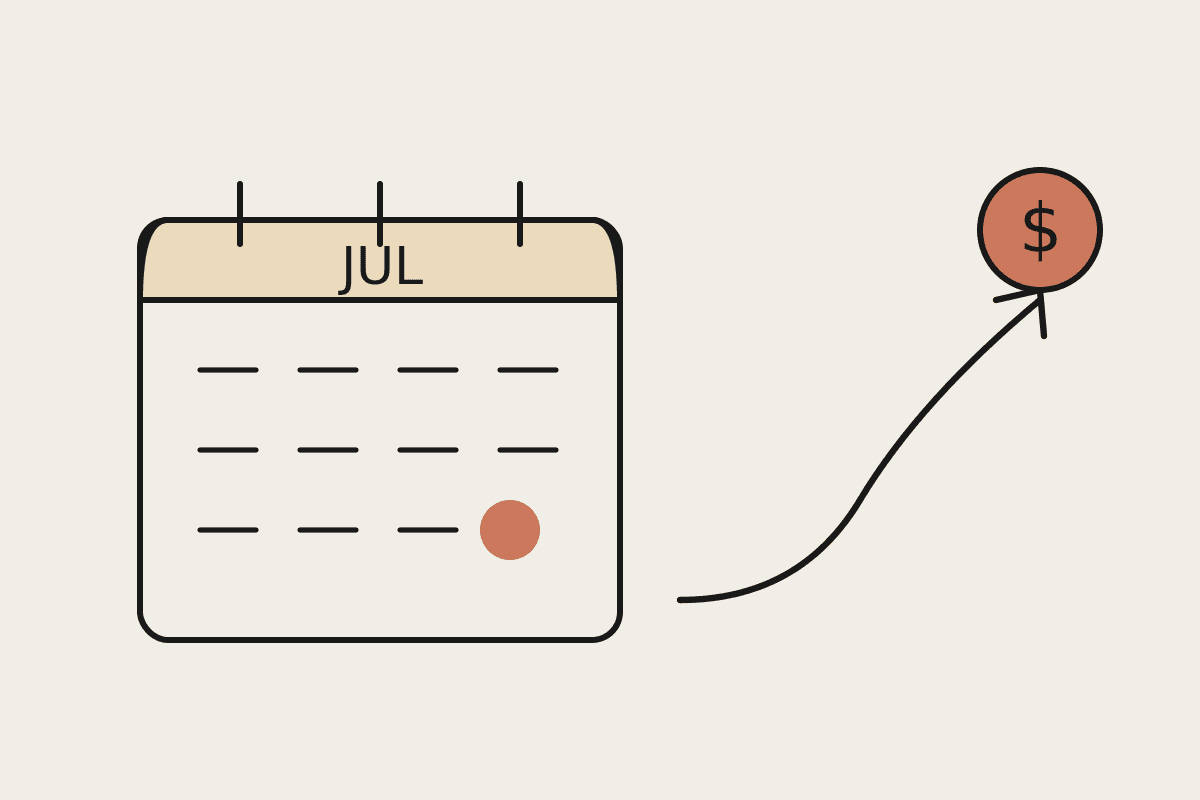
Every 1 July, Australian employers inherit a new set of pay rates whether they are ready or not. The Fair Work Commission hands down its Annual Wage Review decision in early June, the new National Minimum Wage and modern award minimums take effect from the first full pay period on or after 1 July, and payroll has roughly three weeks to get everything right. Miss a rate, apply it to the wrong classification, or forget a single allowance, and you are looking at underpayments that compound quietly until someone notices.
The task is not hard. It is fiddly, repetitive, and unforgiving of small errors. That combination is exactly where Claude earns its place in the July routine, not by running your payroll, but by helping you read the changes, check your own data, and produce a clean record of what you did.
Why July matters more than most compliance dates
Most modern awards move their base rates once a year, and they move together. A retail business might sit under the General Retail Industry Award, a cafe under Hospitality, a builder under Building and Construction. Each award has its own classification structure, its own allowances for things like laundry, first aid, or vehicle use, and its own overtime and penalty multipliers that sit on top of the base rate. When the base moves, everything derived from it moves too.
A modest example: a full-time level 2 employee on a base near $915 a week gets a 3.5% increase, which lifts the weekly figure by about $32. Trivial on its own. Multiply it across 40 staff, several classifications, casual loading, weekend penalties, and shift allowances, and a single missed rate can turn into a $12,000 backpay bill by the time you catch it. Sustained underpayment across a year at a larger employer can reach $45,000 or more, plus the Fair Work Ombudsman's interest in how it happened.
The Australian regulatory backdrop has hardened. Wage underpayment can now carry criminal penalties in serious cases, and the Fair Work Ombudsman publishes recovery actions by name. Getting July right is no longer a back-office nicety. It is a governance obligation with your business name attached.
What actually needs updating
The July change is broader than one number. A complete pass usually touches:
Base hourly and weekly rates for every classification you employ under each relevant award
Casual loading and the resulting casual rates, which are derived from the new base
Penalty rates for weekends, public holidays, and shifts, calculated as multiples of the new base
Allowances tied to wage rates, such as leading-hand, first-aid, meal, and vehicle allowances
Superannuation, where the guarantee percentage or the maximum contribution base may also change on 1 July
Salaried staff on annualised arrangements, whose set-off calculations must still clear the new award floor
That last point catches people out. Paying someone a flat salary does not exempt you from the award. If the annual figure no longer covers what the award would have paid after the increase, the shortfall is an underpayment even though the salary never changed.
Where Claude helps
Claude will not log into your payroll platform and press buttons, and you would not want it to. What it does well is the reading, cross-checking, and explaining that surrounds the update. A few concrete uses:
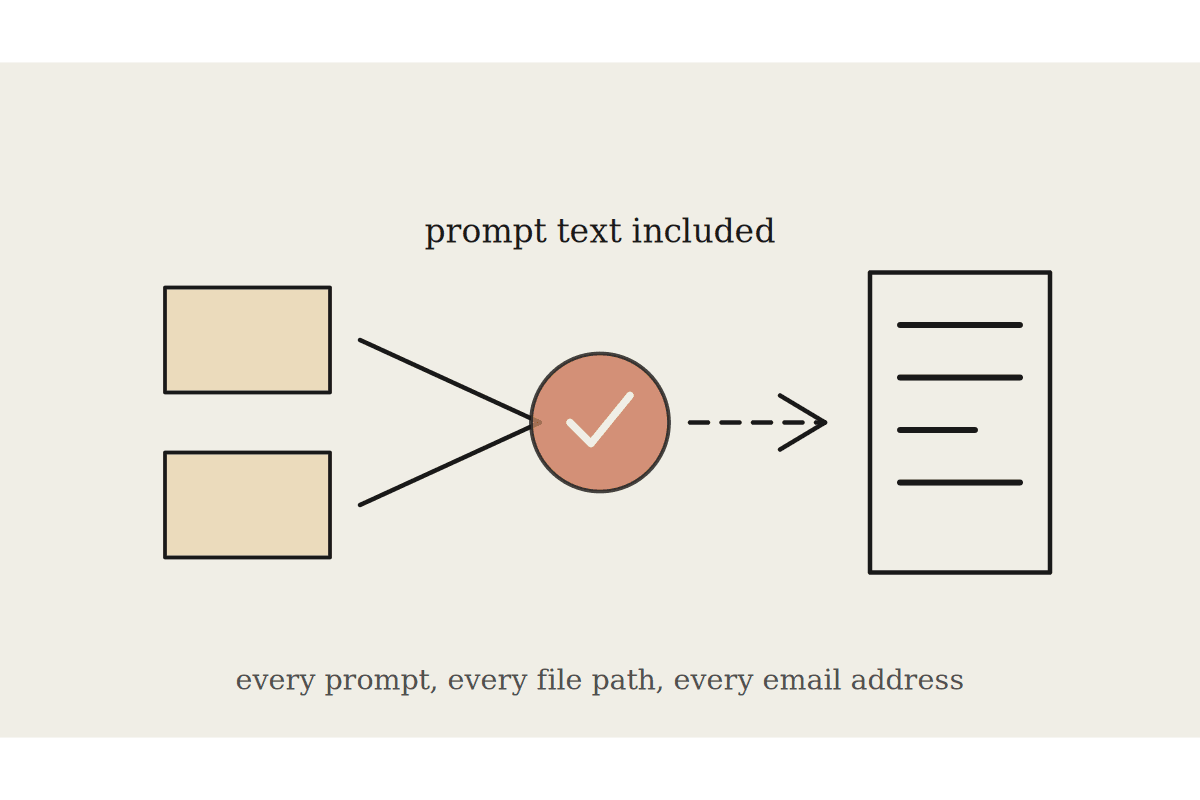
Summarise the new award rates: paste the Fair Work pay guide or the determination for your award and ask Claude to pull out every rate and allowance that changed, laid out by classification
Reconcile against your own file: give Claude an export of your current classifications and rates, and ask it to flag any row that sits below the new minimum or looks mismatched to a classification
Recalculate derived figures: have it work through casual loading, penalties, and allowance amounts from the new base so you have an independent second set of numbers to check your system against
Draft the staff communication: a short, plain note explaining that pay rates rose from the first July pay period, what it means for each affected person, and when they will see it
Write the audit trail: a dated record of which rates changed, what you updated, who checked it, and the source document, so that if anyone asks in twelve months you have the answer
The pattern here is a second pair of eyes rather than an autopilot. Your payroll officer still owns the change. Claude gives them a faster way to read dense award language and an independent check that catches the row they would have missed at 5pm on 30 June.
A simple July checklist you can run each year
The businesses that handle this well treat it as a repeatable routine, not an annual surprise. A workable rhythm looks like this:
Early June: note the Annual Wage Review decision and the headline percentage as soon as it lands
Mid June: pull the updated pay guides for each award you use and have Claude extract the new rates and allowances into one table
Late June: update your payroll system, then run Claude's independent recalculation against a sample of real employees to confirm the system matches
First July pay run: check the first payslips line by line before they go out, not after
Post-run: file the dated audit note and diarise a mid-year spot check
None of these steps is new. What changes is the time each one takes and how confident you are that nothing slipped through. Reading a full award pay guide and mapping it to your roster is an hour of careful work. Having Claude do the first pass and then reviewing its output is closer to fifteen minutes, and you finish with a written record instead of a memory.
Getting it right without the last-minute scramble
The July wage increase rewards preparation and punishes improvisation. It is predictable to the week, it touches money that staff notice immediately, and it is watched by a regulator that names names. That makes it a good candidate for a documented, Claude-assisted routine that runs the same way every year and leaves an audit trail behind it.
If you would like help building that routine for your awards and your payroll system, book a short brainstorm and we can map it to how your business actually pays people.