A mid-sized drilling or geotechnical contractor working across two or three Pilbara or Hunter Valley sites is not short of data. Every shift produces production logs, incident reports, environmental monitoring readings and client compliance packs. What it is usually short of is someone with the time to turn that raw data into the reports each site and client actually requires, on the cadence they require it.
Where the reporting load actually piles up
Site supervisors and admin staff at a contractor with 40 to 80 field employees typically spend six to ten hours a week just assembling reports: daily production summaries for the client, weekly WHS incident and near-miss rollups, monthly environmental compliance packs against site licence conditions, and the ad hoc reports a client's project manager asks for after a site visit. None of this is optional. Miss a monthly environmental report and the contractor risks the relationship with the tenement holder, not just an internal deadline.
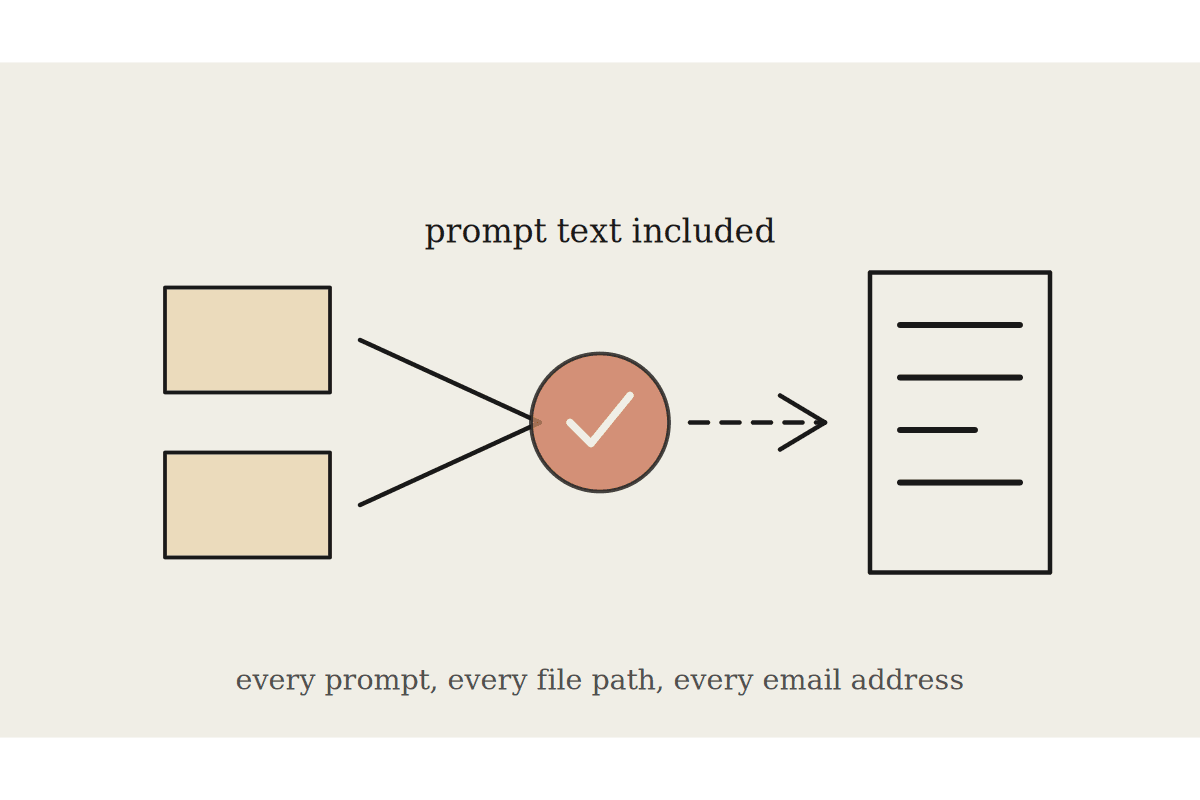
Claude works well here because the underlying task is not judgement, it is structured assembly: pull numbers from a shift log or CSV export, slot them into the client's required template, flag anything outside a threshold, and draft the narrative section that explains what happened. A geotechnical contractor we worked with in Queensland was spending close to $38,000 a year in supervisor time on report assembly across two sites. Moving the drafting step to Claude, with the supervisor reviewing and signing off, cut that to roughly a third.
The reports worth automating first
Daily and weekly production summaries against client KPIs, drafted from raw shift data
WHS incident and near-miss reports, structured to the client's or the regulator's exact template
Monthly environmental compliance packs cross-checked against licence condition thresholds
Tender and pre-qualification documentation that reuses the contractor's safety and quality evidence base
The environmental pack is usually the highest-value target because it is the most time-consuming and the most standardised. A contractor operating under a Queensland or NSW environmental authority has a fixed set of parameters to report against each month. Claude can hold the reporting template, pull the monitoring data, and draft the compliance narrative, leaving the environmental officer to check the numbers and sign rather than write the report from scratch.
What stays with the safety and compliance officer
Nothing here removes the site supervisor or the safety officer from the loop. Every report Claude drafts is reviewed before it goes to a client or regulator, the same as if a junior admin hire had drafted it. What changes is who spends time on the first draft. For a contractor bidding on new tender work, that time gets redirected into tender writing and site relationships instead of chasing report deadlines, which is a better use of a scarce safety and compliance headcount on any Australian mine services team.
Tender documentation deserves a specific mention because it is where most contractors leave money on the table without realising it. A mining services business bidding on three or four tenders a quarter is usually reusing the same safety statistics, the same quality management evidence and the same referee statements each time, but rebuilding the document from scratch because nobody kept a clean, current version of the evidence base. Claude can hold that evidence base and assemble a tender response against a client's specific requirements far faster than a supervisor starting from a blank page, while still leaving the pricing and the final review to the people who actually own the client relationship.
The Australian regulatory backdrop makes the reporting burden heavier every year rather than lighter. State environmental authorities, WHS regulators and increasingly the client's own ESG reporting requirements all want data in slightly different formats on slightly different cycles. A contractor that can turn around a compliant report the same day it is due, rather than the week after, is a contractor that keeps its licence to operate on a site and keeps winning the next tender on that client's books. That reliability is worth more to a repeat mining client than almost any other single factor once safety performance is already table stakes.
Getting started does not require replacing existing site software. Most contractors already run a scheduling or ERP system that holds the raw shift and production data; the practical first step is connecting Claude to that export rather than building anything new. A four to six week pilot on the two most time-consuming report types, usually WHS incident reporting and one client's production summary, is enough to prove the time saving before committing budget to the full rollout across every report type and client.
Set-up for a contractor this size, covering the main recurring report types and the CSV or shift-log integration, typically runs $6,000 to $12,000 depending on how many client-specific templates need to be built in, with most of that cost in the first two report types rather than scaling linearly after that.