A pest control technician's day is a scheduling puzzle: termite inspections that need a specific time window, commercial contracts with strict quarterly service intervals, and residential jobs squeezed between the two. Behind every completed job sits a compliance report, chemical used, application rate, area treated, that has to be accurate, consistent, and ready to hand to a client or regulator on request. Most small pest control operators do both jobs themselves, technician by day, admin by night, and that second job is where Claude earns its keep.
Where the admin actually piles up
Three things consume the most non-billable hours for a typical Australian pest control business: compliance documentation for every chemical application, scheduling and rescheduling around access windows and weather, and quote-to-invoice paperwork for the steady stream of one-off residential jobs that make up the bulk of call volume.
Compliance reports: turning a technician's job notes and photos into a properly formatted chemical-use record for the client file.
Scheduling correspondence: drafting confirmation texts and emails that account for access instructions, pet and child safety notes, and re-entry timing.
Quote follow-ups: converting a site inspection's rough notes into a formatted quote ready to send same day rather than two days later.
Contract renewal reminders: tracking commercial client service intervals and drafting the renewal outreach before a quarter lapses.
A worked example: compliance reporting
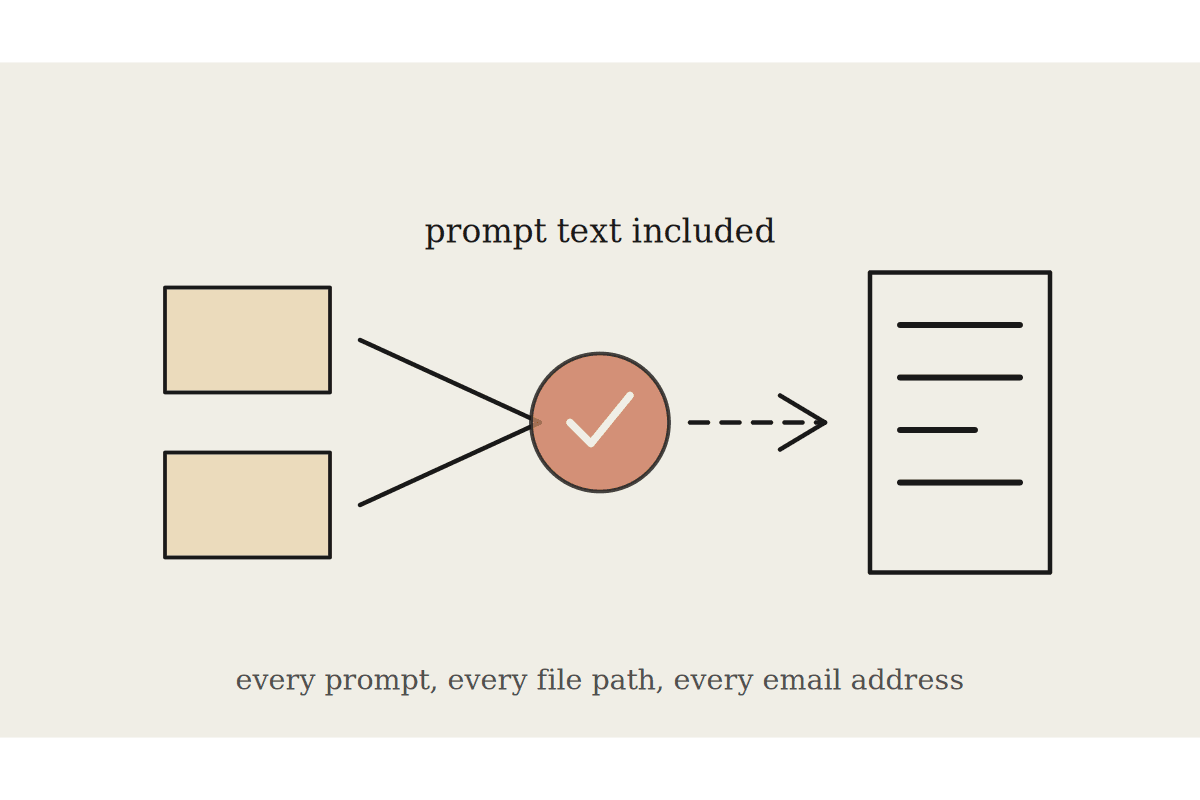
A Melbourne pest control operator running four technicians was spending roughly six hours a week compiling chemical-use compliance reports from technician job sheets, formatting them consistently enough to satisfy commercial clients who audit their pest control provider's records annually. Feeding the raw job sheet notes into a Claude Cowork skill, the report now drafts in the correct format automatically, with the office manager checking figures against the technician's sheet before filing. Time dropped from six hours a week to under ninety minutes, a saving worth approximately $210 a week at the office manager's rate, or close to $10,000 a year redirected toward actually growing the client base instead of formatting paperwork.
The same operator now also generates the annual summary reports several of their commercial contracts require, a compilation of every treatment across the year that used to take a full day to assemble manually from twelve months of individual job sheets. That annual document now takes under two hours, almost entirely review time rather than formatting time, timed to land well before the contract renewal conversation rather than being rushed out the week it is due.
Where the treatment decision stays entirely human
Choosing a treatment method, chemical, or application rate for a specific pest problem is a licensed technician's call, informed by the site inspection, the pest species, and conditions Claude has no visibility into. Nothing in this workflow touches that decision. Claude drafts the record of what the technician decided and did; it never decides what should be applied or how much. That boundary matters both for regulatory compliance and for the liability that sits with a licensed operator's name on every report.
Scheduling without the back-and-forth
Rescheduling around access issues, tenant availability, or weather delays for outdoor treatments generates a steady stream of texts and calls that eat into a technician's actual working hours. A drafted rescheduling message, referencing the specific job, the reason for the change, and two or three alternative windows, cuts the back-and-forth from several exchanges to one for most residential clients. For a two-to-six-technician operation, that is meaningfully more billable hours in the week without adding staff.
Quote turnaround as a competitive edge
Residential pest control is a fast-moving, price-sensitive market where the operator who quotes same day usually wins the job over the one who quotes two days later. A technician's rough inspection notes, dictated on the way back to the ute, become a formatted, professional quote within minutes rather than sitting in a notebook until the office catches up that evening. A Perth pest control business tracked quote turnaround before and after adopting this pattern: average time from inspection to sent quote dropped from 34 hours to under three, and the business's own conversion tracking showed a measurable lift in jobs won simply because they were first to respond.
Getting started without replacing your job software
Getting started does not require replacing existing job-management software. A pest control business can begin with a single Claude Cowork skill fed last month's compliance reports as examples, tested against three or four real jobs before deciding whether to extend it further. For an industry where margin comes from technician hours actually spent on-site rather than in the office, that is where the return shows up fastest, and it is a change a small operator can make without waiting on a bigger software migration project.