Ask a registered tax agent what actually delays a return and the honest answer is rarely the technical work. It is waiting on the client. A missing bank statement, an unclear answer about a rental property expense, a work-related deduction that needs a receipt nobody can find, and the return sits half-finished in a queue while the agent moves on to the next file, only to come back to it three times before it is finally ready to lodge.
The document-chasing problem specifically
A sole practitioner or small firm with 400 to 900 individual clients typically has 150 to 300 returns sitting in some state of incompleteness at any point during tax season, each waiting on a different missing item from a different client. Chasing that manually, one email or phone call at a time, consumes a huge share of an agent's own time and their support staff's time during exactly the weeks when they can least afford it, and it is a task that carries no technical complexity at all. It is purely a follow-up and tracking problem at scale.
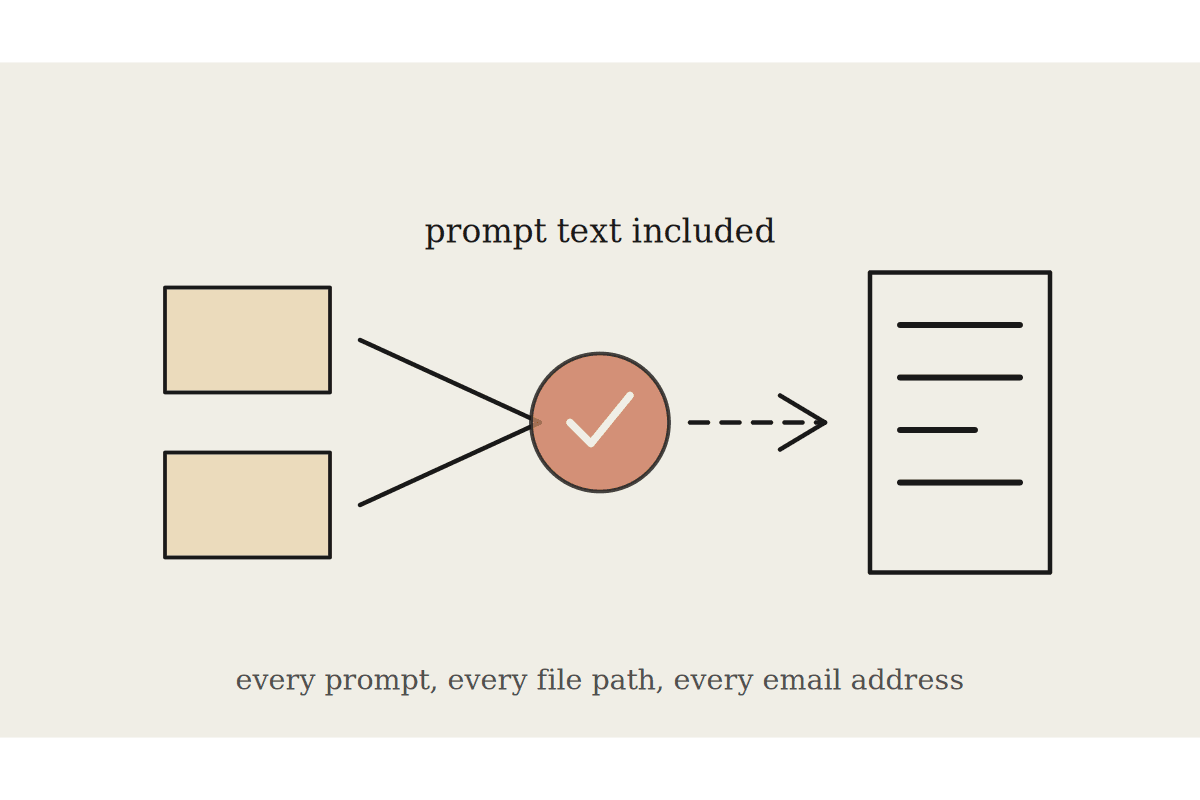
Claude is well matched to exactly this: tracking what is missing on each file, drafting the specific follow-up request naming the exact document or answer needed rather than a generic reminder, and escalating the tone appropriately as a deadline approaches. Because the request names the specific missing item, clients respond faster and with less back-and-forth than a generic 'please send your documents' email, which most clients scan and ignore.
Where this sits alongside return preparation itself
Specific, document-named client chasing sequences drafted and timed against each client's deadline
First-pass return preparation drafted from supplied documents, checked and lodged by the registered agent
TPB Code of Conduct-aligned engagement letters and client record-keeping documentation
A daily or weekly practice-wide view of which files are blocked and on what, so nothing sits forgotten
Once documents are in, Claude can also help with the return preparation itself: drafting the initial numbers from supplied statements and receipts, flagging anything that looks inconsistent with the prior year or outside a normal range for the client's occupation, and preparing the file for the agent's review. This does not replace the agent's judgement or their TPB obligation to review and take responsibility for every lodgement; it removes the blank-page data entry step that eats hours across a season.
What this is worth to a small practice
Peak season staffing is where this compounds hardest for a small practice. Most sole practitioners and small firms bring on temporary staff or extend hours through July and August specifically to handle the volume, and a meaningful share of that temporary capacity goes into document chasing rather than actual return preparation, the work the extra staff were really hired for. Reducing the manual chasing load means that temporary capacity can go into reviewing returns and handling the genuinely complex files instead, which is a better use of a scarce and expensive resource during exactly the weeks it is hardest to find experienced casual staff.
There is also a client experience angle worth mentioning, because it affects retention more than most practices realise. A client who receives three generic reminder emails over six weeks tends to feel nagged and unclear on what is actually needed, while a client who receives one specific message naming the exact missing document responds faster and, anecdotally, reports feeling better served by the practice, not worse, despite receiving what is functionally an automated message. The specificity is what makes the difference, not the fact that a person typed it.
For a practice weighing whether to invest in this ahead of next tax season, the honest test is to pull last season's lodgement dates and see how many returns finished in the final fortnight purely because a document arrived late. If that number is more than a handful, the chasing workflow alone is usually enough to justify the build before even counting the return-prep time saving on top.
A regional NSW practice with around 650 individual clients and three lodging agents was consistently working through July and August with 40 percent of the client base still not lodged by mid-August, largely due to document delays rather than technical backlog. After building a Claude-assisted chasing and return-prep workflow, that figure dropped to under 20 percent by the same point the following season, worth an estimated $22,000 in additional fees the practice would otherwise have collected later, or in some cases not at all if a frustrated client moved to another agent. Setup for a practice this size typically runs $6,000 to $11,000, with the TPB Code of Conduct obligations, particularly around client record-keeping and the agent's ultimate responsibility for lodged returns, built into the workflow from day one rather than treated as an afterthought.