Chain of Responsibility under the Heavy Vehicle National Law is one of the more misunderstood compliance obligations facing Australian transport SMEs, mainly because it does not just apply to the driver or the transport operator. Consignors, schedulers, loading managers and even the receiver of goods can carry legal duties around fatigue management, mass and dimension limits, and vehicle standards, which means a mid-sized logistics business is managing compliance obligations that stretch well beyond its own trucks.
Where the paper trail actually breaks down
A transport SME running 15 to 40 vehicles typically has the safety systems in place on paper: fatigue management plans, mass and loading checks, vehicle maintenance schedules. What breaks down in practice is the consistency of the record-keeping across every single trip, because a busy scheduler juggling driver rosters and client demands does not always have time to fully document every CoR-relevant decision at the moment it is made, which is exactly when a regulator or a court, after an incident, wants to see that the documentation existed.
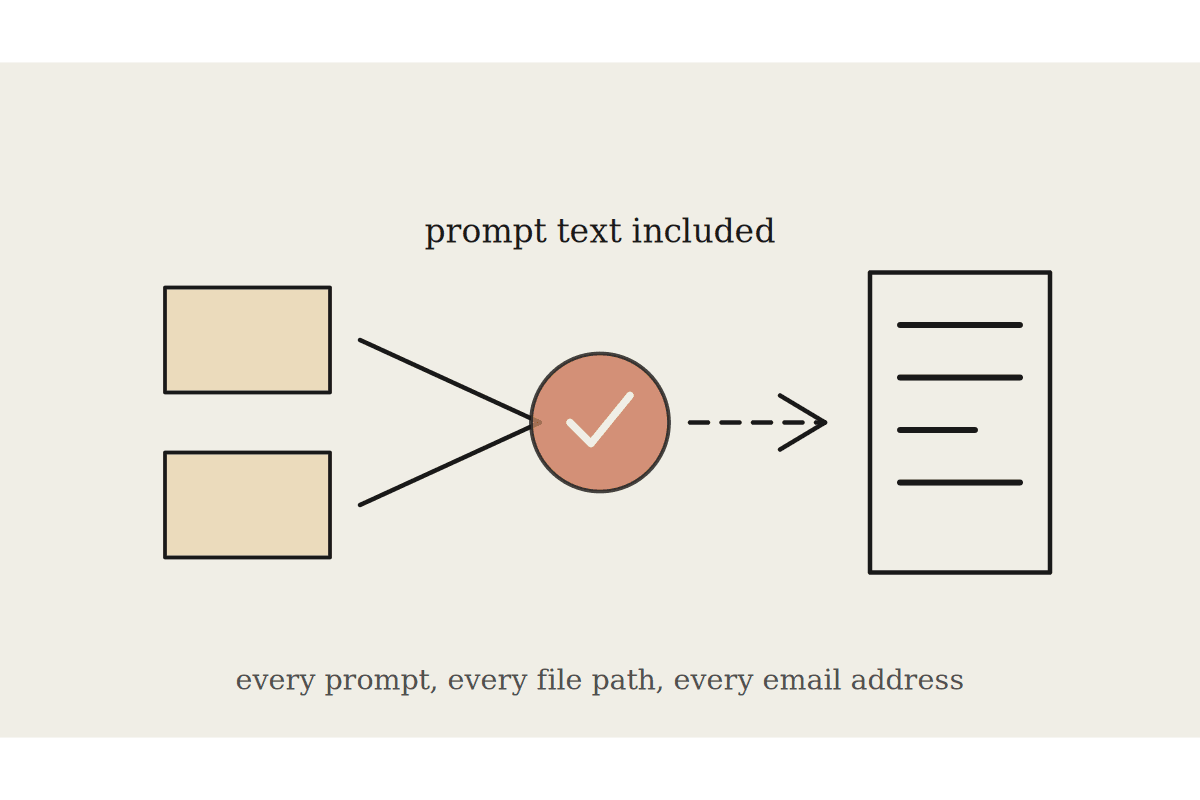
Claude is well suited to closing that gap because CoR compliance is fundamentally a documentation and consistency problem once the underlying safety systems exist. It can draft the trip-level compliance record from scheduling and vehicle data, cross-check a planned load against known mass and dimension limits before dispatch, and flag any trip where the fatigue management record looks incomplete, all before the truck leaves the yard rather than after an incident when the paperwork gap actually matters.
The specific workflows worth building
Pre-dispatch mass, dimension and loading checks cross-referenced against the vehicle's known limits
Fatigue management record completion checks flagged before a driver departs, not after
Consignor and scheduler decision logging that captures the CoR-relevant record automatically from the booking system
Maintenance and defect report drafting that keeps a clean audit trail against the vehicle's service history
A Sydney-based logistics operator running 22 vehicles across NSW and southern Queensland routes had a compliance audit flag several trips with incomplete fatigue management documentation, not because the fatigue management itself had failed, but because the paperwork trail was inconsistent. Building a Claude-assisted pre-dispatch check that flagged incomplete records before departure closed that gap almost entirely within two months, and the operator avoided what their compliance advisor estimated could have been a $40,000 to $60,000 exposure had a serious incident occurred alongside the documentation gap.
The boundary that keeps this defensible
Client-facing CoR obligations add a further wrinkle for logistics SMEs working as a subcontractor to a larger consignor. A retailer or manufacturer engaging a transport operator increasingly wants documented evidence that CoR obligations are being met as a condition of the contract, not just a regulatory nicety. A transport SME that can hand over a clean, consistent compliance record on request is in a stronger position to win and retain that contract than one scrambling to reconstruct records when a client's compliance team asks for evidence, which happens more often now than it did even three years ago as major consignors tighten their own supply chain due diligence.
Getting started does not require an overhaul of the existing scheduling or telematics system. The practical first step is connecting Claude to whatever fleet management or scheduling software the business already runs, and building the pre-dispatch check as a four to six week pilot on the routes carrying the highest compliance risk, typically long-haul interstate work, before extending it across the full fleet.
Setup cost for an operator in the 15 to 40 vehicle range typically runs $8,000 to $15,000, and for most operators the case is made on risk avoidance alone rather than pure efficiency, given how much a single serious CoR-related enforcement action or civil liability claim can cost an SME that does not have the documentation to show it met its obligations.
Insurers are also starting to ask more detailed CoR compliance questions at renewal, and operators who can demonstrate a consistent, system-backed record are increasingly finding that reflected favourably in their premium, which is a second, less obvious return on the same investment.
Every safety-critical decision, whether a driver is fit to continue a trip, whether a load is within limits, whether a vehicle is roadworthy, stays with the qualified people making that call on the day. Claude's role is entirely in the documentation and pre-check layer: making sure the record exists, is consistent, and is flagged before a decision gets made rather than reconstructed afterwards. For an operator under NHVR scrutiny, that distinction between AI assisting the paperwork and AI making the safety call is the difference between a defensible system and a liability, and it is worth setting up the workflow with that boundary explicit from day one rather than assuming it will stay that way by default.