A separate piece on this site covers how to design an approval gate so it doesn't become a speed bottleneck. This one answers a different, earlier question: not how to build the gate, but where in a workflow it actually needs to exist in the first place, and where it's genuine overhead that isn't buying any real protection.
A simple risk-based placement rule
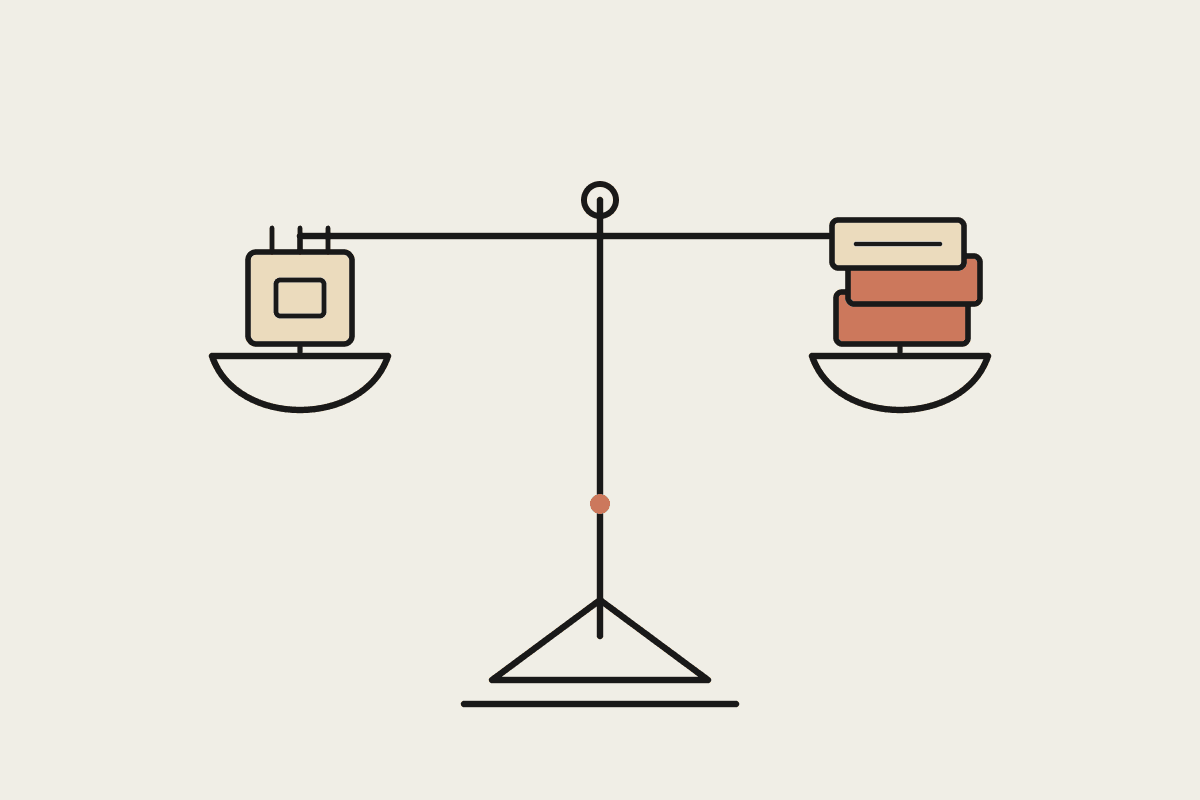
Not every step in an AI workflow carries the same risk if it goes wrong, and a checkpoint placed on every single step treats a low-stakes formatting decision the same as a client-facing financial commitment. The placement question should be driven by consequence, not by a blanket policy applied uniformly regardless of what's actually at stake at each individual step.
Where a checkpoint is usually worth it
Before anything leaves the business (an email, a quote, a public post) that a customer or the market will see
Before a decision with a financial commitment attached, even a small one, that can't be easily unwound after the fact
Before anything touching a compliance-sensitive figure, a BAS-relevant number, a safety report, a regulated disclosure
At the handoff point between two systems, where an error is hardest to trace back to its source once it's propagated forward
Where a checkpoint is usually overhead without real protection
Internal draft generation, a first-pass summary that a human is going to substantially rework anyway, or a low-stakes classification with an easily reversible consequence, rarely need a formal approval gate. Adding one anyway slows the workflow without meaningfully reducing risk, and workflows accumulate too many of these low-value gates over time as a defensive habit rather than a deliberate risk decision, until the whole process feels bureaucratic without actually being safer.
A worked example
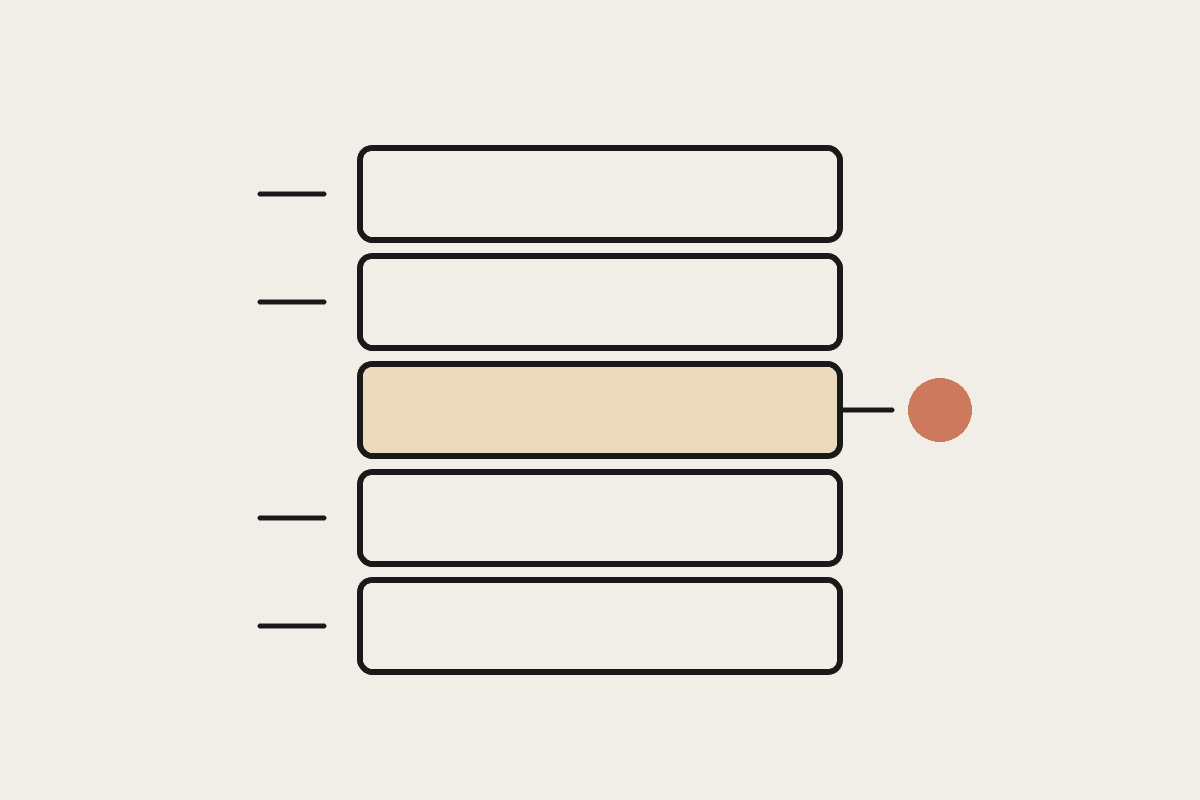
A Melbourne professional services firm mapped their client-proposal generation workflow against this risk-based rule and found three checkpoints where only one was actually earning its place: the final proposal review before it reached a client, which stayed. A checkpoint on the internal cost-calculation draft was removed, since a calculation error there got caught automatically by the final review anyway, and a third checkpoint on an internal research summary was removed as pure overhead with no real consequence if the summary needed a minor correction later. Removing the two unnecessary gates cut the average proposal turnaround time by almost a full day, with no measurable increase in errors reaching clients.
Reviewing placement as a workflow matures
Checkpoint placement isn't a one-time decision. As a workflow proves itself reliable over months of use, some checkpoints that were appropriately cautious at launch become worth removing, per the gradual-autonomy approach covered elsewhere on this site. Revisiting placement periodically, rather than leaving it fixed at whatever felt safe on day one, keeps a workflow's overhead proportional to its actual, current risk rather than its risk when it was brand new.
If your AI workflows have approval gates that feel like they're slowing things down without a clear reason, get in touch through /contact and we'll help you map where they actually need to be.
What removing unnecessary gates was worth
The Melbourne firm's day-faster turnaround translated into roughly $1,400 a month in additional billable capacity across their proposal volume, simply from proposals reaching clients sooner without the two unnecessary internal reviews adding delay. No accuracy was traded away to get that saving, since the genuinely risk-bearing checkpoint, the final client-facing review, stayed exactly where it was.
This is the pattern worth generalising: mapping checkpoints against actual consequence, rather than against a vague sense of caution, usually finds at least one gate that's costing time without buying meaningful protection. Most Australian businesses that have never run this exercise are carrying at least a little of this kind of unexamined overhead somewhere in their AI workflows.
A useful habit going forward: whenever a new checkpoint is proposed for a workflow, ask explicitly what specific consequence it's protecting against, and write that answer down alongside the checkpoint itself. A checkpoint nobody can articulate a specific consequence for is usually the overhead this exercise is designed to catch.
Getting this mapping right once, and revisiting it as a workflow matures, is one of the more reliable ways to keep an AI process both genuinely safe and genuinely fast, rather than accidentally trading one for the other by default.
A workflow with the right checkpoints in the right places, and none anywhere else, is both the safest and the fastest version of itself, and getting there usually costs nothing more than an honest hour spent mapping consequence against each step.