Most Australian small businesses do not have a software problem. They have a connection problem. The average services firm in Sydney or Melbourne already runs eight to twelve separate tools: an accounting package, a CRM, a project tracker, a shared inbox, a document store, a payroll system, and a handful of spreadsheets holding the whole thing together. Each one works. The gap is the space between them, where a person copies a number off one screen and types it into another.
This is a reference map of that stack, and where Claude fits into it. The goal is not to replace the tools you already pay for. It is to add a thinking layer on top of them, so the copy-and-paste work between systems stops being a human job.
What 'Claude-enabled' means for your stack
Claude-enabled does not mean a rip-and-replace project. It means Claude reads from the tools you already run, drafts the next action, and hands the work back to you for approval before anything leaves the building. Your accounting stays in Xero. Your deals stay in your CRM. Claude becomes the connective layer that reads across all of them and prepares what happens next.
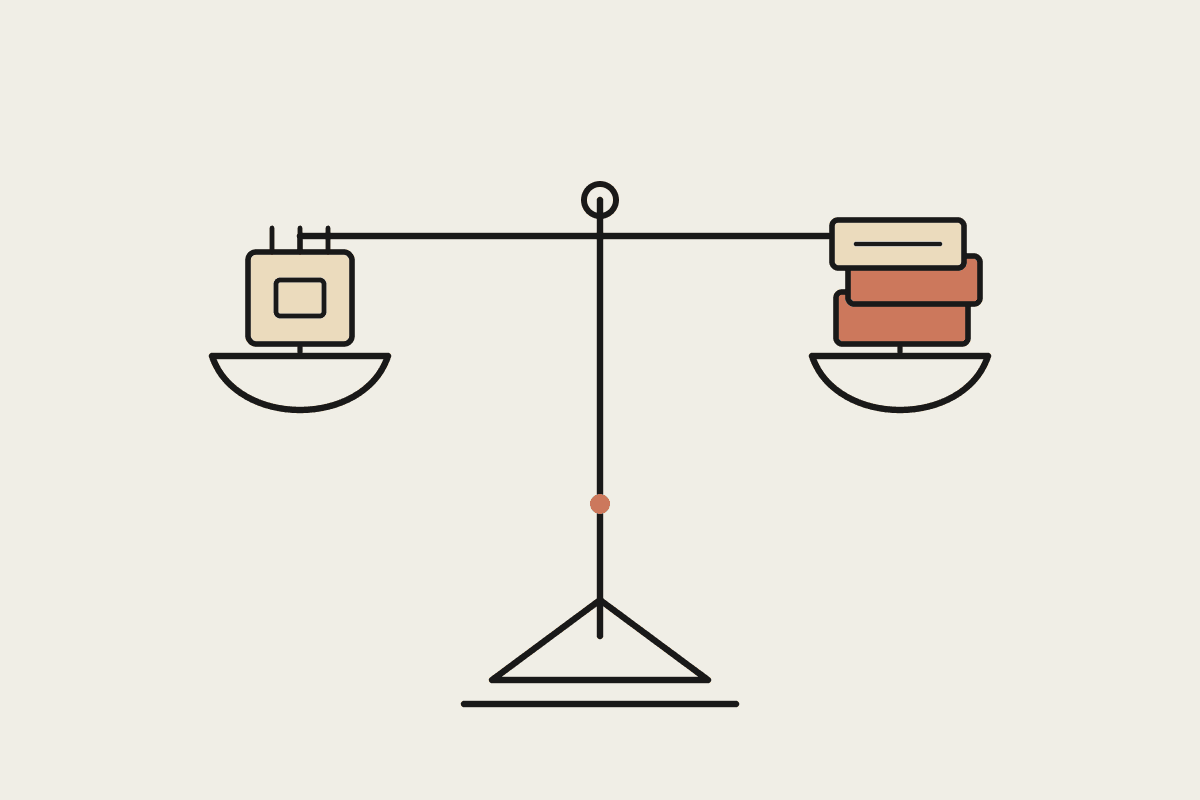
For a typical ten-person firm, that connective work is where two to three hours a day quietly disappear. At a loaded staff cost of around $65 an hour, that is roughly $45,000 a year spent moving data between systems that were never designed to talk to each other.
The core stack, layer by layer
Here is the map most Australian SMBs are actually working from, grouped into five layers. For each one the question is the same: what does Claude read, and what does it draft?
Finance and accounting
Tools: Xero is the default for Australian small business, with MYOB and QuickBooks close behind. Stripe or PayPal handle the money coming in.
Where Claude sits: reading invoices and bank feeds, drafting debtor follow-ups off your ageing report, and preparing the plain-English notes your bookkeeper wants before BAS.
Where it stops: it does not lodge with the ATO or move funds. A person presses send.
Sales and CRM
Tools: HubSpot, Pipedrive, or a well-loved spreadsheet. Cal.com or Calendly for bookings.
Where Claude sits: summarising a deal's full email history in seconds, drafting the next follow-up in your voice, and flagging which prospects have gone quiet.
Operations and project work
Tools: Notion, ClickUp, Asana, or Trello. Slack or Microsoft Teams for chat.
Where Claude sits: turning a messy meeting note into tracked tasks, chasing the overdue ones, and writing the weekly status update from what actually changed.
Documents and knowledge
Tools: Google Drive, SharePoint, or Dropbox, plus a pile of PDFs nobody has time to read.
Where Claude sits: reading a 40-page contract and surfacing the three clauses that matter, or answering a staff question from your own policy documents instead of guesswork.
Communication
Tools: Gmail or Outlook, a shared support inbox, and a phone line.
Where Claude sits: triaging the inbox, drafting replies that match how your business actually speaks, and escalating only what genuinely needs a human.
Where Claude sits: the connective layer
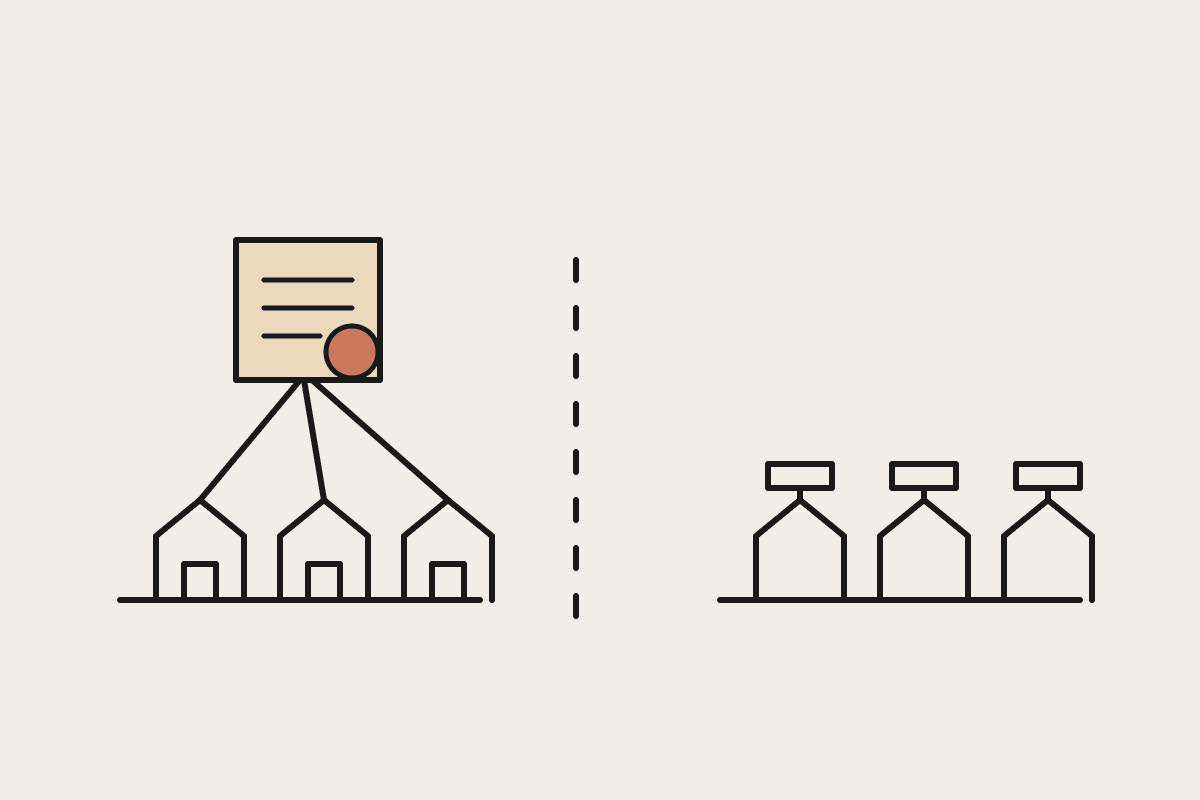
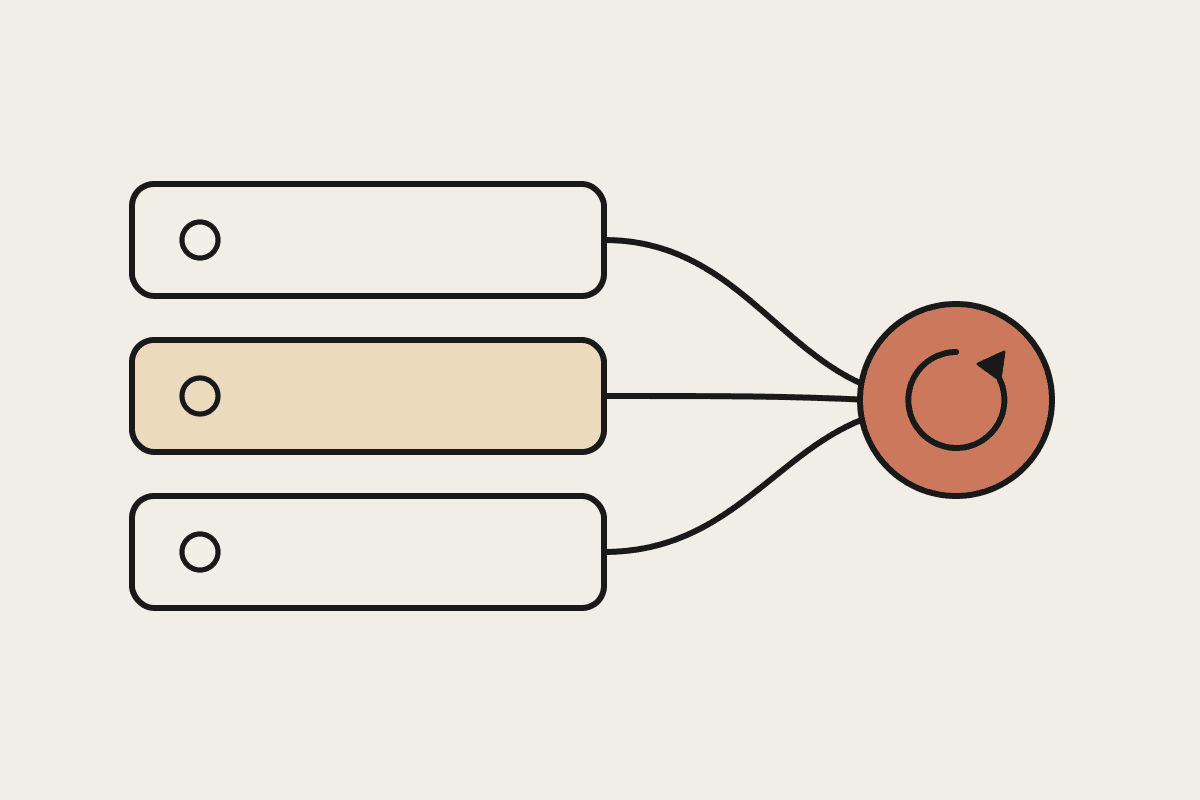
Read those layers again and the pattern is obvious. Claude is not a sixth tool competing for its own tile on the map. It is the line running between the tiles. The value is not in any single connection. It is that one system can now read your CRM, your inbox, and your accounting file in the same breath, and draft something useful out of all three at once.
A worked example makes this concrete. A twelve-person consulting firm in Brisbane wanted month-end to stop eating a full day of senior time. The old routine: export from Xero, cross-check against Stripe, chase three late invoices by hand, then write a summary for the director. Run as a single reviewed Claude procedure, the same close now takes under an hour of a person's attention. The firm estimated it saved about $18,000 a year in senior time, and stopped closing the month four days late.
What to connect first
You do not wire up everything at once. The order that works, in our experience with Australian SMBs, starts where the pain is loudest and the risk is lowest:
Start with reading, not writing. Let Claude summarise and draft before it touches anything that sends. Trust is built by watching it get the easy things right.
Pick one workflow that hurts every week. Debtor chasing, inbox triage, or month-end are the usual first wins because they repeat and they are measurable.
Write the procedure down. Claude follows an instruction as well as the instruction is written. A vague brief gets vague output.
Add the next connection only once the first is boring. Boring means reliable, and reliable is the whole point.
Compliance and data boundaries
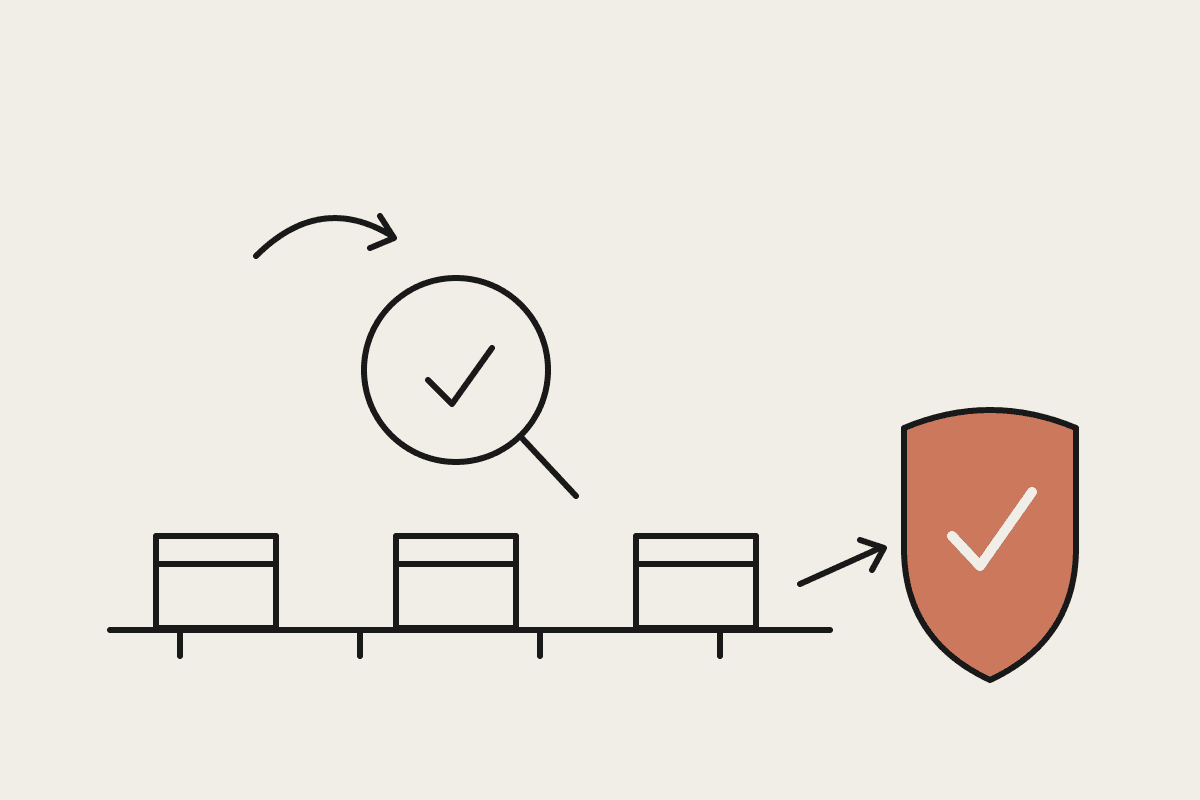
Any Australian business handling customer data sits under the Privacy Act, and regulated firms answer to APRA or ASIC on top of that. A Claude-enabled stack does not change your obligations, but it does make them easier to meet, because every draft passes a person before it acts. Nothing is lodged, sent, or paid autonomously.
The boundary we set with clients is plain: Claude reads broadly, drafts freely, and acts never without a person in the loop. That keeps you on the right side of both your regulator and your own risk appetite, while still removing the manual handling that made the stack slow in the first place.
Reading the map for your own business
Print your own version of this map. List every tool your team opens in a normal week, then draw a line to every other tool a person currently carries data between. Those lines are your Claude project list, ranked by how often someone walks the path. Most firms find three or four lines that, once connected, give back close to a day a week, often for a setup fee in the $3,500 range rather than a $120K salary.
If you want a second set of eyes on your own stack map, you can book a short brainstorm and we will walk the layers with you.