Workpapers are where year-end compliance jobs go to get slow. Every balance needs a lead schedule, every lead schedule needs support, and every support document needs someone to tie it back to the ledger. For a standard Australian SME compliance job, that preparation layer carries $800 to $1,500 of staff time before review even starts, and it is the least loved work in the building.
What preparation actually is
Strip the mystique and workpaper preparation is a repeatable sequence: pull the trial balance, group the accounts, build the schedules, attach the support, reconcile the movements, write short commentary on anything unusual. It requires care and accounting literacy, but very little of it requires judgment until something does not tie out. That profile, high care and low judgment until the exceptions appear, is precisely the work agentic AI does well, and precisely the work graduates are thrown at for their first two years.
From Xero export to lead schedules
Claude Cowork, working from the Xero connector and the client folder, prepares that sequence in your firm's own workpaper format:
Builds the trial-balance-driven index and lead schedules for each balance group
Ties bank, loan and ATO integrated account balances to source statements found in the folder
Drafts movement commentary against prior year, flagging swings above your materiality line
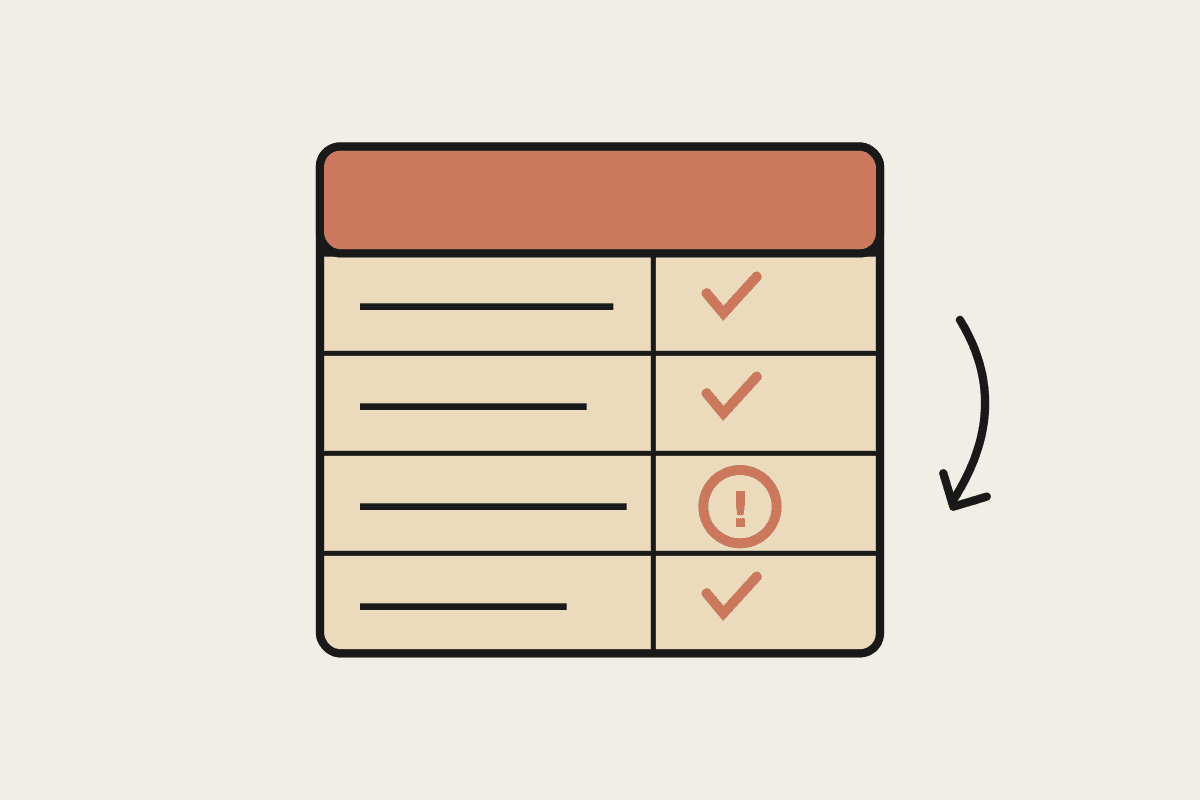
Assembles an exceptions page listing every balance it could not support, and what exactly is missing
The output is a familiar-looking workpaper file where the routine ticks are pre-done and the open items are honest about themselves. Because it reads the folder as well as the ledger, it will attach the actual loan statement to the loan schedule and note that the June page is missing, rather than marking the balance agreed because a number matched.
What the reviewer sees
Review changes character. Instead of checking whether the preparer transposed a figure, the senior works the exceptions page: the loan with no statement, the clearing account that will not clear, the related-party balance that needs a conversation with the client. That is the work seniors are actually paid $180 an hour to do, and it is the part of the job that develops judgment in the people coming through. Several firms have told us the same surprising thing: their graduates learn faster reviewing AI-prepared files, because they see a hundred worked examples a season instead of building twenty from scratch.
How this compares to dedicated workpaper tools
Purpose-built platforms are good at structure and sign-off flow, and firms already invested in one should keep it. The difference with a general agent like Claude:
It reads the messy inputs too: PDFs, emails, scanned statements, prior-year files
It drafts the commentary and the client queries, not just the schedule shell
It works across your whole stack, so the same setup that preps workpapers also chases the missing documents
There is no per-module licence; the same Claude Cowork seat does other firm work between jobs
The two approaches also combine well: the agent prepares into your existing workpaper platform's structure, and the platform keeps carrying the review trail and sign-off flow it is good at. This is an addition to the stack that removes hours, not another migration project.
Where it earns trust, and where it should not be trusted
The agent earns trust on mechanics: extraction, matching, arithmetic, consistency against the template, and remembering that the same client had the same unreconciled clearing account last year. It should not be trusted with the calls that define the engagement: revenue recognition judgment, Division 7A positions, whether a director loan is really a loan. A well-built workpaper skill encodes that boundary directly, so ambiguous items land on the exceptions page with a question rather than a conclusion. Firms should audit the first month of output the way they would audit a new senior from another practice: trust arrives through checked work, not through the brochure, and the checking is cheap because every figure is tied to its source.
The numbers across a season
A firm running 250 SME compliance jobs a year at even $900 of preparation time each is carrying $225,000 of preparation cost annually. Halving the human share of that, a conservative outcome once the skill is tuned to the firm template, returns more than $100,000 of capacity without hiring anyone. Against a $3,500 fixed-fee setup and standard Claude subscriptions, the payback question is not whether but how fast, and the honest answer from the firms running it is weeks.
Getting started
Start with one job type and one preparer acting as the reviewer. A fixed-fee Claude Cowork setup for an accounting firm is $3,500 and includes building the workpaper skill around your existing template. Book a brainstorm call and bring a finished job from last year; preparing it again side by side is the fastest honest benchmark there is.
This article is part of AI for Accountants in Australia, the complete guide from Automata AI, a Sydney-based Claude consultancy and the automation partner accounting firms across Australia and New Zealand use to put Claude Cowork into production. The approach in every guide is the same: Claude does the preparation, your people keep the judgment.