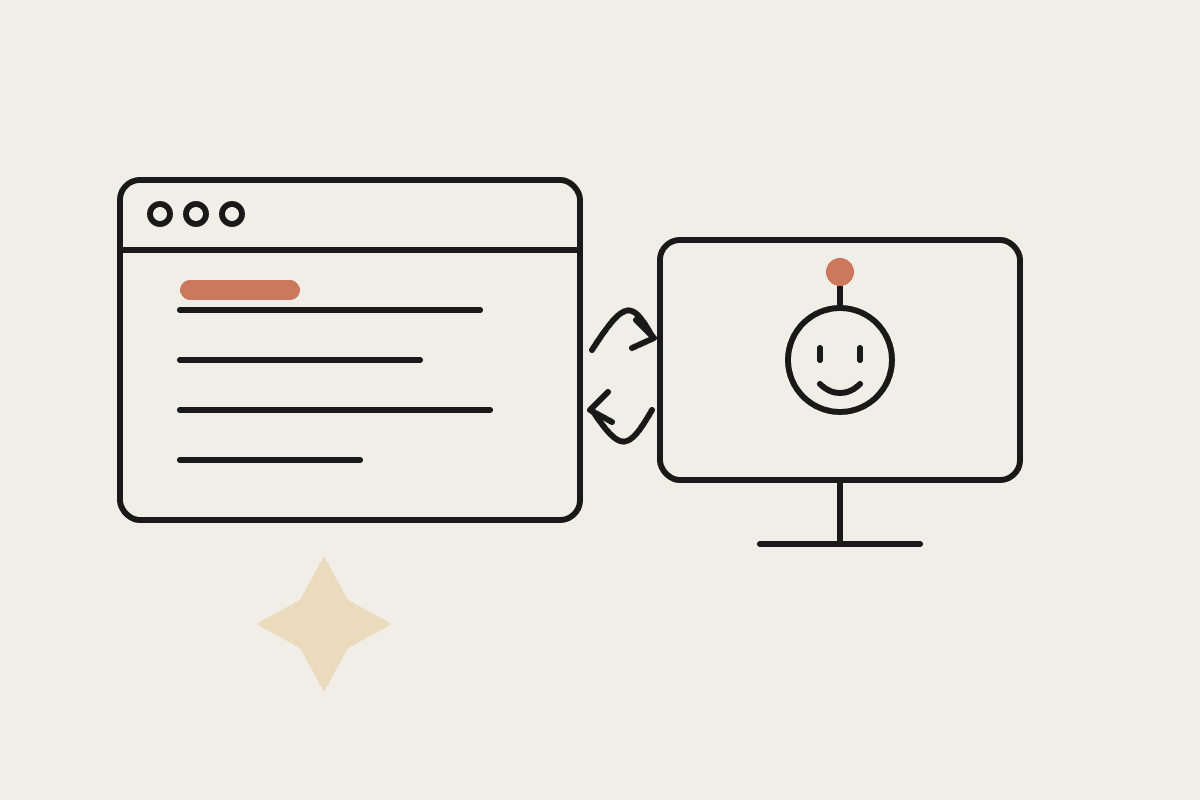
Claude Cowork is the desktop version of Claude that works with your actual files, email and apps rather than in a chat window. For accounting firms it is the first AI tool that fits how a practice already works: client folders, Xero, Outlook or Gmail, and a deadline calendar. Nothing about the firm has to reorganise itself around the software, which is precisely why it sticks where chatbot pilots have quietly died. This is the setup we deploy for Australian and New Zealand firms, in the order that pays back fastest.
The practice-shaped setup
A firm deployment is four decisions, not forty:
One working folder per client, mirroring your existing structure, so Claude reads engagements the way your staff do
Connectors for Xero, email and calendar, added by name and nothing broader
Two or three skills that encode your templates: workpaper format, engagement letter, client chase sequence
Scheduled tasks for the recurring pulses, such as a 7am deadline and outstanding-documents check
The skills are the part firms underestimate. A skill is a written procedure Claude follows: your workpaper layout, your materiality bands, the tone your client emails take. Writing them down once means every job gets prepared to the standard of your best senior, and the knowledge stops living exclusively in two people's heads.
The first five workflows
Switch these on in week one, in this order:
Document chase: outstanding-items lists per client with drafted reminder emails
BAS first pass: GST reconciliation and draft workpaper with an exceptions list
Year-end workpaper preparation from the Xero file and folder contents
Engagement letters and routine client correspondence drafted for review
Morning practice pulse: what unblocked overnight, what is due, what needs a phone call
Each one is review-not-build. Staff approve everything before it leaves the building, and lodgement stays entirely human. The order matters: the document chase pays back first and builds trust in the tool, the BAS pass proves it on regulated work, and by the time workpapers are automated the sceptics on staff have usually run out of objections.
How it differs from the AI already inside Xero
Most of your clients already have Claude inside their own Xero file through JAX, which answers their questions about cash position and overdue invoices. That is client-side and single-file by design. Cowork is the firm-side layer: it works across every client folder and every Xero file you have access to, in batches, against your templates and your deadlines. The two complement each other, and neither replaces the other. A practice that confuses them either overestimates what JAX gives the firm or underestimates what an agent on the desktop can carry.
Client data and guardrails
Claude does not train on your business data by default, and Anthropic holds SOC 2 Type II and ISO 27001 certifications. On the firm side, the guardrails are structural: scoped folders, named connectors only, drafts never auto-sent, and declarations always made by the registered agent. For Australian firms the arrangement sits inside your existing Privacy Act and Tax Agent Services Act obligations rather than around them; for New Zealand firms the same setup maps cleanly against the Privacy Act 2020 principles. Put the whole thing in writing as a one-page AI policy so staff usage is consistent and defensible when a client or insurer asks.
Cost and time to value
The software cost is a Claude subscription per seat, which is less per month than a single hour of most seniors' charge-out time. Our fixed-fee firm setup is $3,500 and covers the folder design, connectors, the first skills and a staff walkthrough, typically live within a week. Firms starting in July still bank most of the Australian lodgement season; New Zealand firms starting now are fully bedded in before the 31 March year-end wave arrives.
What a realistic first month looks like
Week one is setup and the document chase. Week two adds the BAS first pass on a handful of live files, with a senior timing the difference. Weeks three and four widen the net and tune the skills where the firm's habits differ from its templates, which they always do. By the end of the month most firms have a defensible number for hours saved per job type, which is the number that decides whether the rollout widens. There is no big-bang migration, no data conversion and no six-month change program, because the tool works on the files and systems the firm already has.
Where to start
The Claude Cowork setup page has the full inclusions list, or book a brainstorm call and we will scope your firm's first three workflows on the spot. Bring the job type that hurt most this EOFY; it is usually the right place to start.
This article is part of AI for Accountants in Australia, the complete guide from Automata AI, a Sydney-based Claude consultancy and the automation partner accounting firms across Australia and New Zealand use to put Claude Cowork into production. The approach in every guide is the same: Claude does the preparation, your people keep the judgment.
Related reading
The end-to-end walkthrough lives in our Claude Cowork setup guide. Closest neighbours to this piece: