Australian universities and school systems are being pitched education-specific AI programmes by both Google and Anthropic, and the procurement conversations we see tend to open on the wrong question. Whether one model writes a slightly better essay outline than the other matters far less than how each handles student data, academic integrity workflows, and the governance obligations an Australian institution actually carries. Here is how to structure a pilot that answers the questions that matter.
Start with the data governance question
Australian universities handle student records covered by the Privacy Act, and in many cases state-based information privacy legislation on top of that, plus obligations to international students under the ESOS framework. Before comparing model output quality, establish for each vendor where student-identifiable data is processed, whether it can be excluded from training, what audit logging exists, and whether regional processing is available. An institution that skips this and pilots on capability alone routinely discovers a blocker after staff have already built workflows around a tool.
Where is data processed, and is an Australian regional option available for identifiable student information.
What are the retention and training-exclusion terms, in the contract rather than in a marketing FAQ.
What audit logging is available to demonstrate appropriate use if a complaint or an integrity investigation arises.
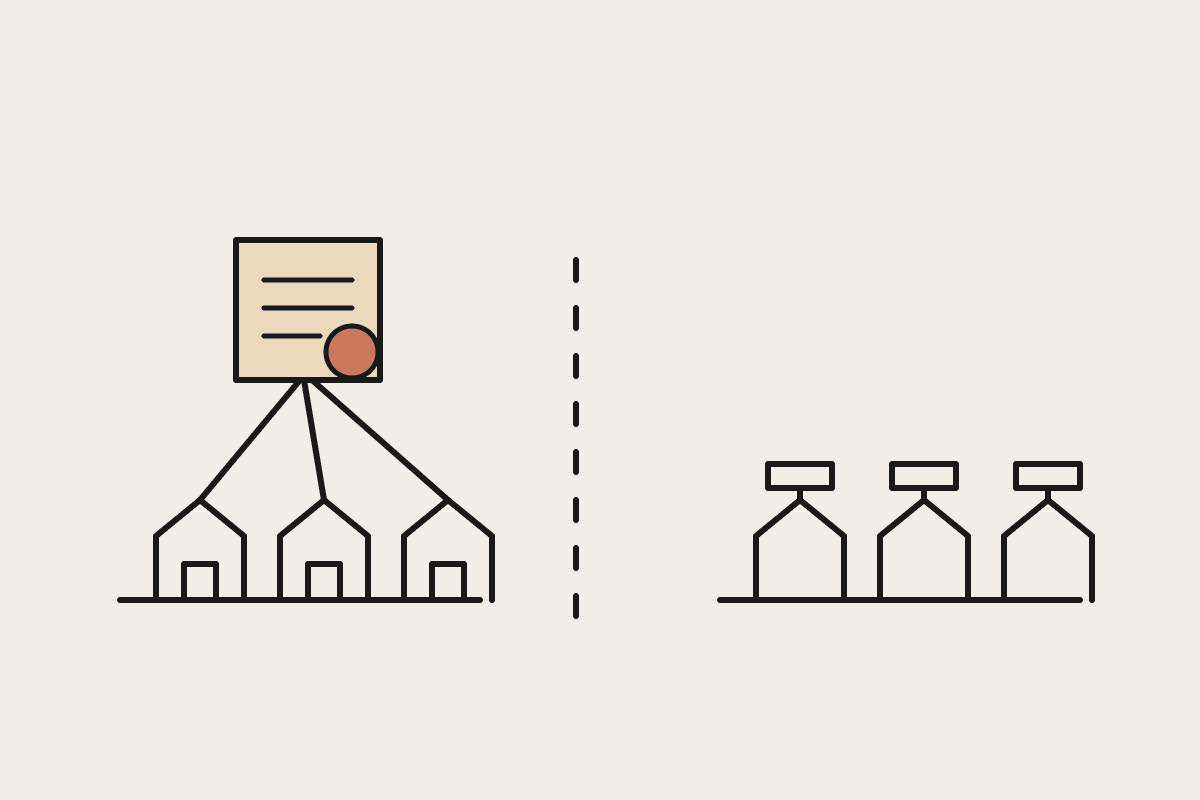
How does administrative control work across faculties, since a university is many devolved units rather than one organisation.
The academic integrity dimension
This is the question that distinguishes education from every other sector, and neither vendor solves it for you. The useful framing for a pilot is not detection, which remains unreliable enough that Australian institutions have largely stopped relying on it, but assessment design. A pilot worth running tests whether the tool helps academics redesign assessment for a world where students have AI access, rather than whether it can be policed.
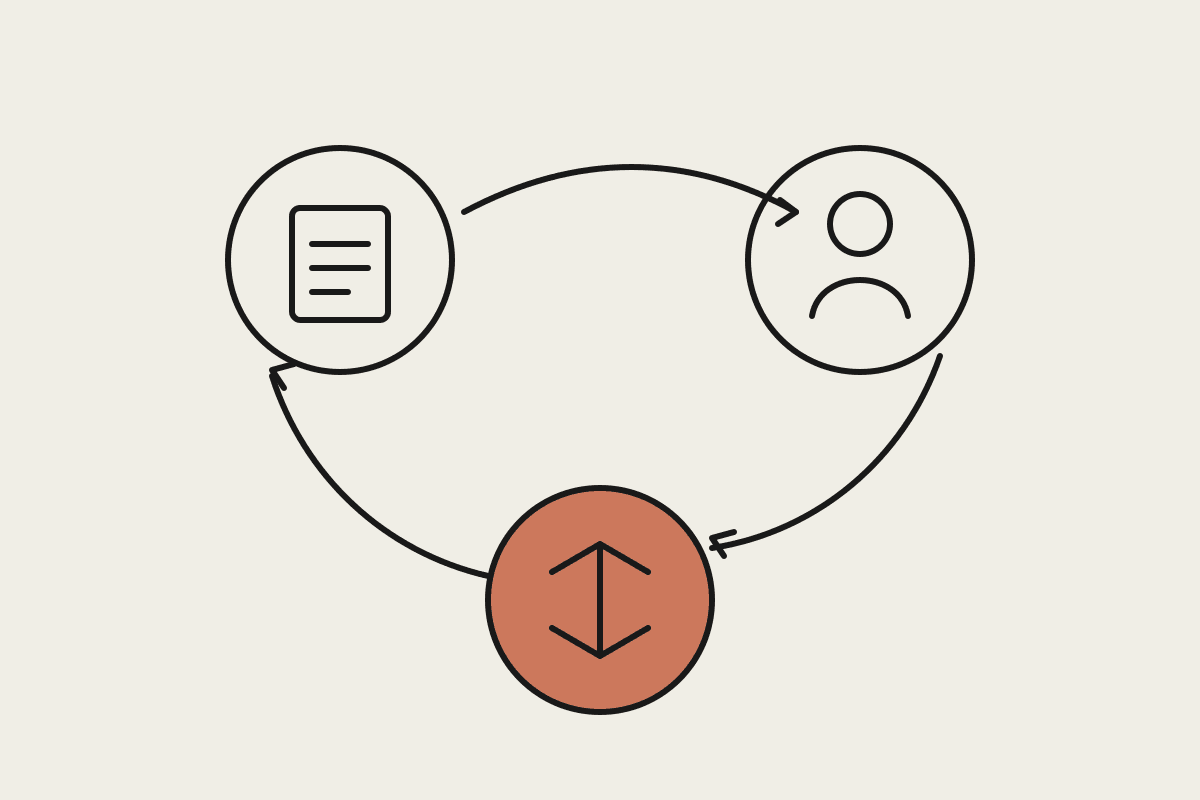
In practice that means piloting with the academics who set assessment, not only with students. A pilot that gives 500 students a licence and measures usage tells you very little. A pilot that works with a dozen course coordinators to redesign assessment across a semester tells you whether the institution can actually adapt.
Where the two vendors genuinely differ for education
Google's advantage in schools particularly is that many Australian school systems already run Google Workspace for Education, so the integration and identity story is close to zero-friction. That is a real operational advantage for a state school system managing thousands of devices with a small central IT team, and it should not be dismissed on model-capability grounds.
Claude's stronger case is in higher education and research settings where long-document work dominates: reading and analysing lengthy source material, working through complex reasoning across a sustained session, supporting research workflows that involve large volumes of text. For a university library or research office, that difference shows up quickly in practice.
Designing a pilot that produces a decision
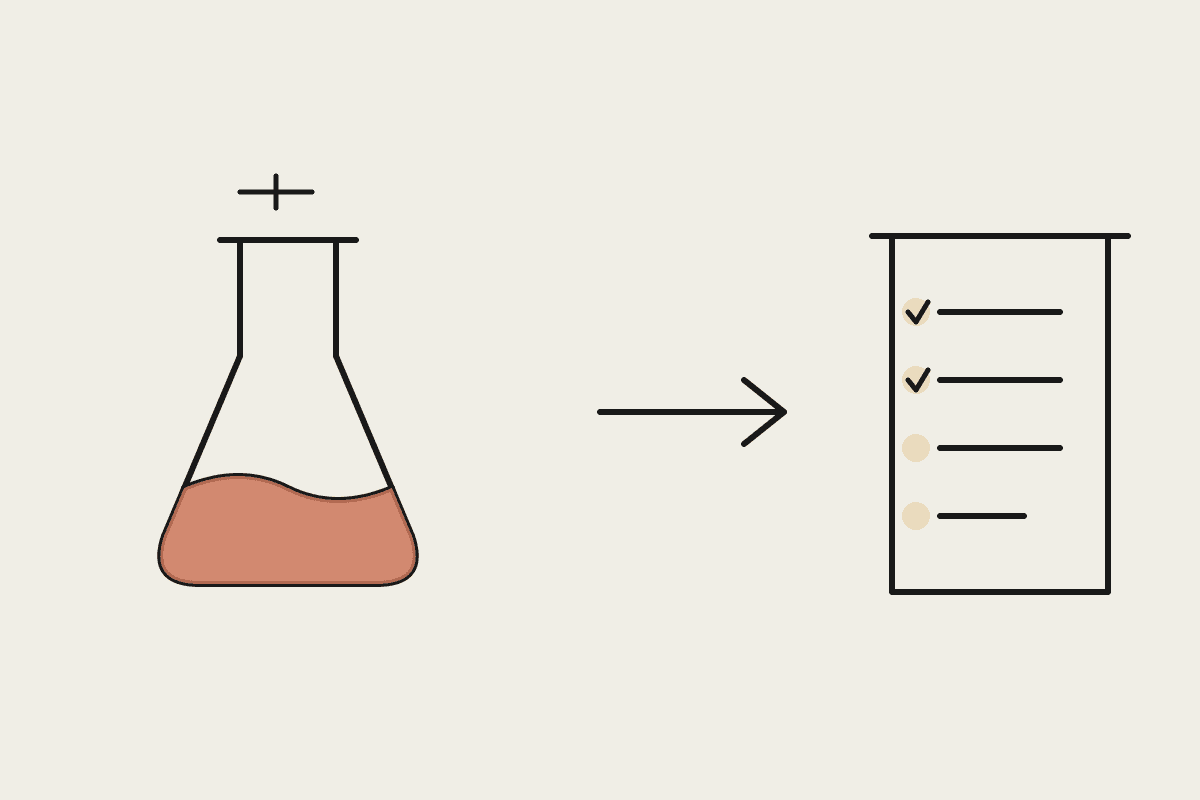
A pilot should be scoped to produce a defensible recommendation, which means defining the decision criteria before it starts. We suggest three: does it meet the institution's data governance requirements without exception, does it demonstrably save academic or professional staff time on a specific named task, and can the institution support it at scale with the IT capacity it actually has.
Budget realistically. A meaningful semester-long pilot across two faculties, including licences, academic time for assessment redesign, and evaluation, typically costs an Australian university between $40,000 and $80,000 AUD. That sounds substantial until compared against an institution-wide rollout chosen on a vendor demo, which is the alternative most institutions are actually risking.
A caution about student-facing rollouts
Institutions frequently want to move straight to a student-facing licence programme because it is visible and easy to announce. It is also the hardest version to govern, the most expensive at scale, and the least likely to produce measurable institutional benefit in a single semester. Staff-facing pilots covering assessment design, marking support, curriculum development and administrative workflows tend to produce clearer evidence and carry substantially lower governance risk.
That is not an argument against student access eventually. It is an argument for sequencing: prove the governance model and the support capacity on a smaller staff cohort first, then extend. Australian institutions that inverted this order have generally spent the following year retrofitting policy around a rollout that had already happened.
What a good outcome looks like
The best pilots we have seen at Australian institutions produce three things: a clear governance sign-off or a documented blocker, a small number of specific workflows where time savings were measured rather than asserted, and an honest account of what did not work. That last item is the one most pilots omit and the one a procurement committee most needs.
Institutions that run the pilot as a genuine test rather than a procurement formality tend to reach a decision faster and defend it better, regardless of which vendor they land on. The point of the exercise is to be right about your own institution, not to validate a preference formed in a vendor briefing.