OpenAI has expanded ChatGPT for Teachers to another 55 school districts in the United States, reaching more than 100,000 additional educators. The part worth an Australian reader's attention is not the headcount. It is the 16-state National Data Privacy Agreement that came with it.
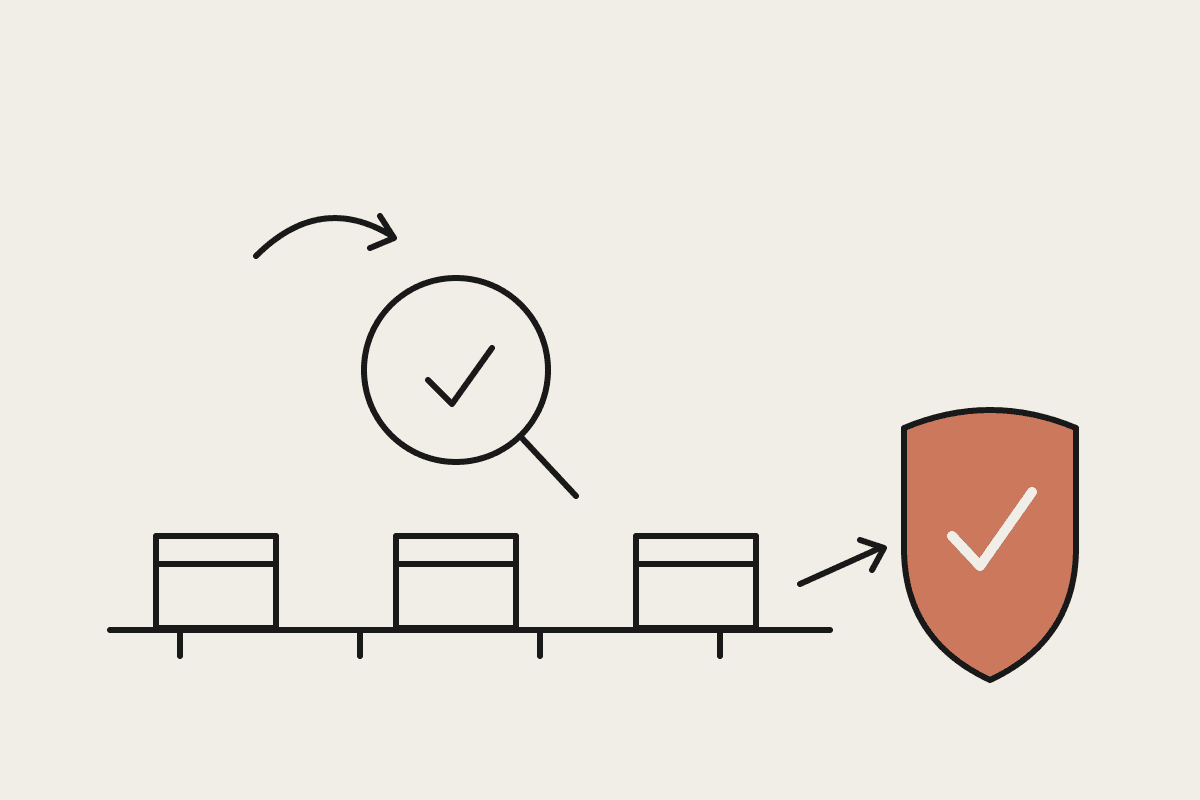
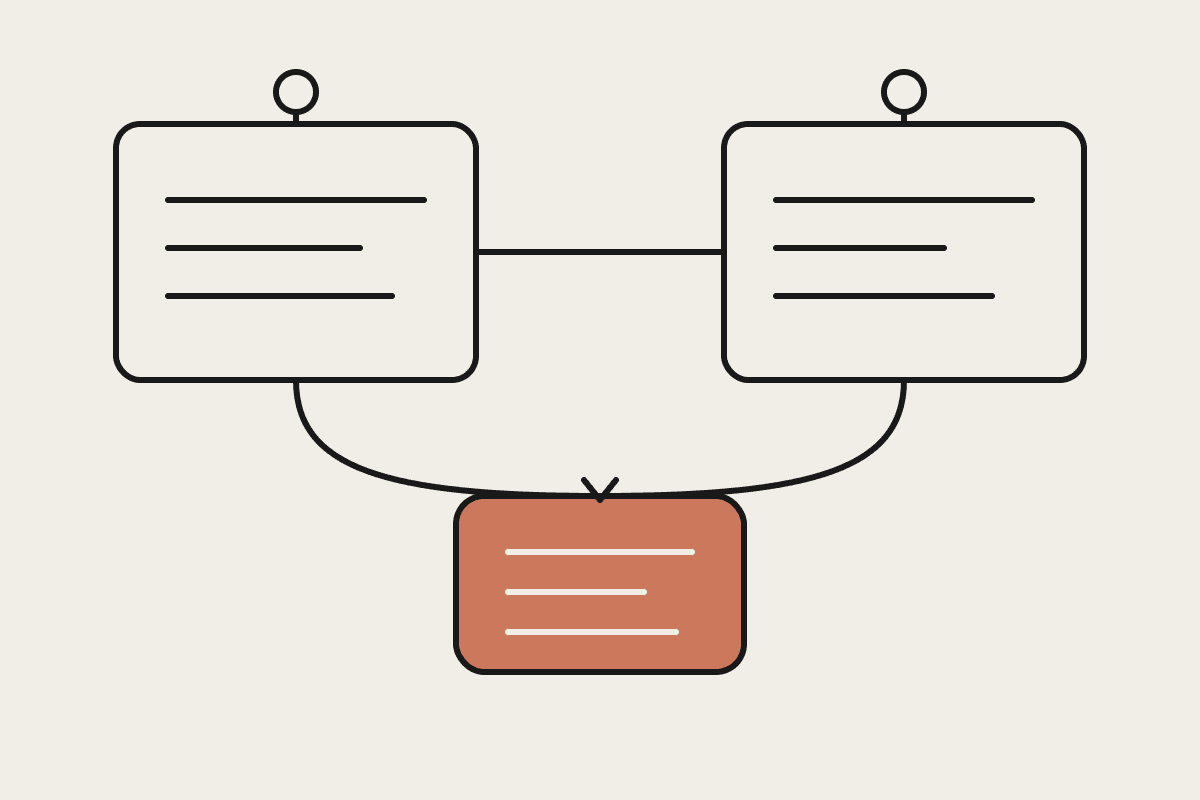
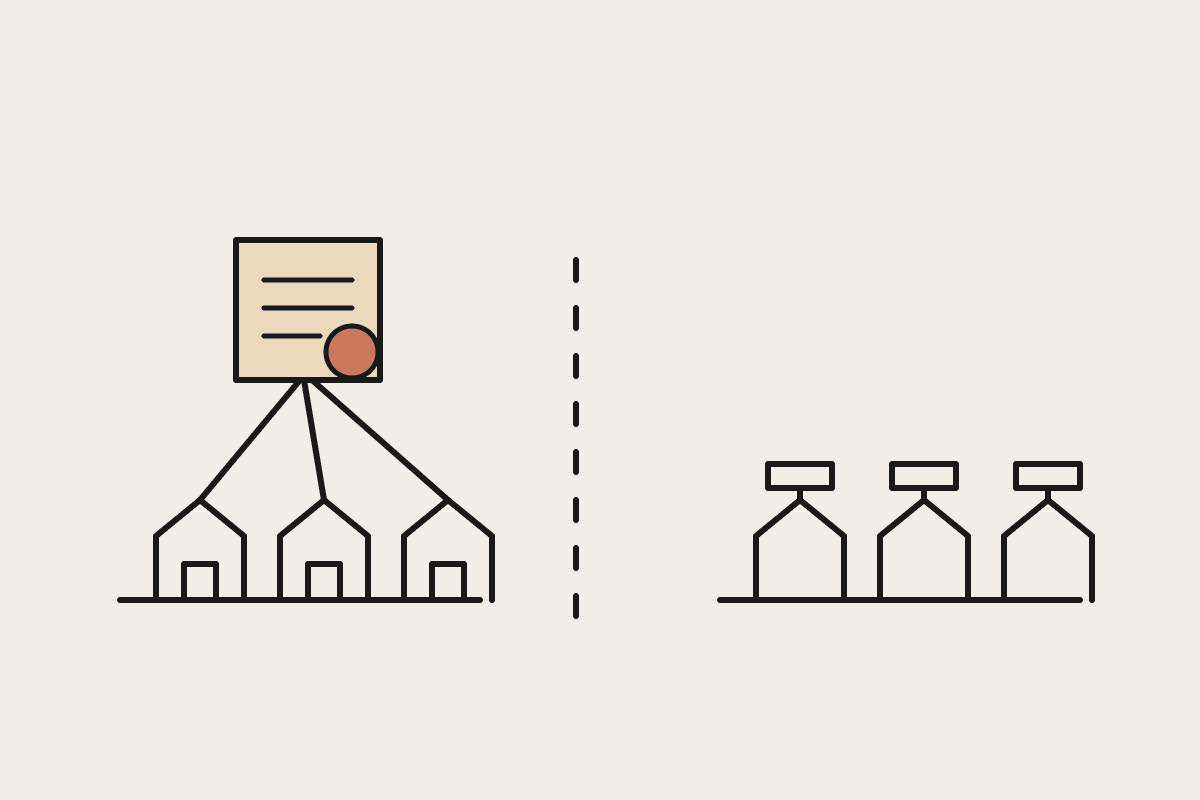
That agreement lets a district evaluate one AI product against student-privacy requirements using a framework its neighbours have already signed. No separate negotiation, no bespoke contract, no legal review from scratch. It is procurement infrastructure, and it is the reason a rollout of that size is possible at all.
Australia has nothing equivalent. That is the story.
Why does a shared privacy agreement matter more than the product?
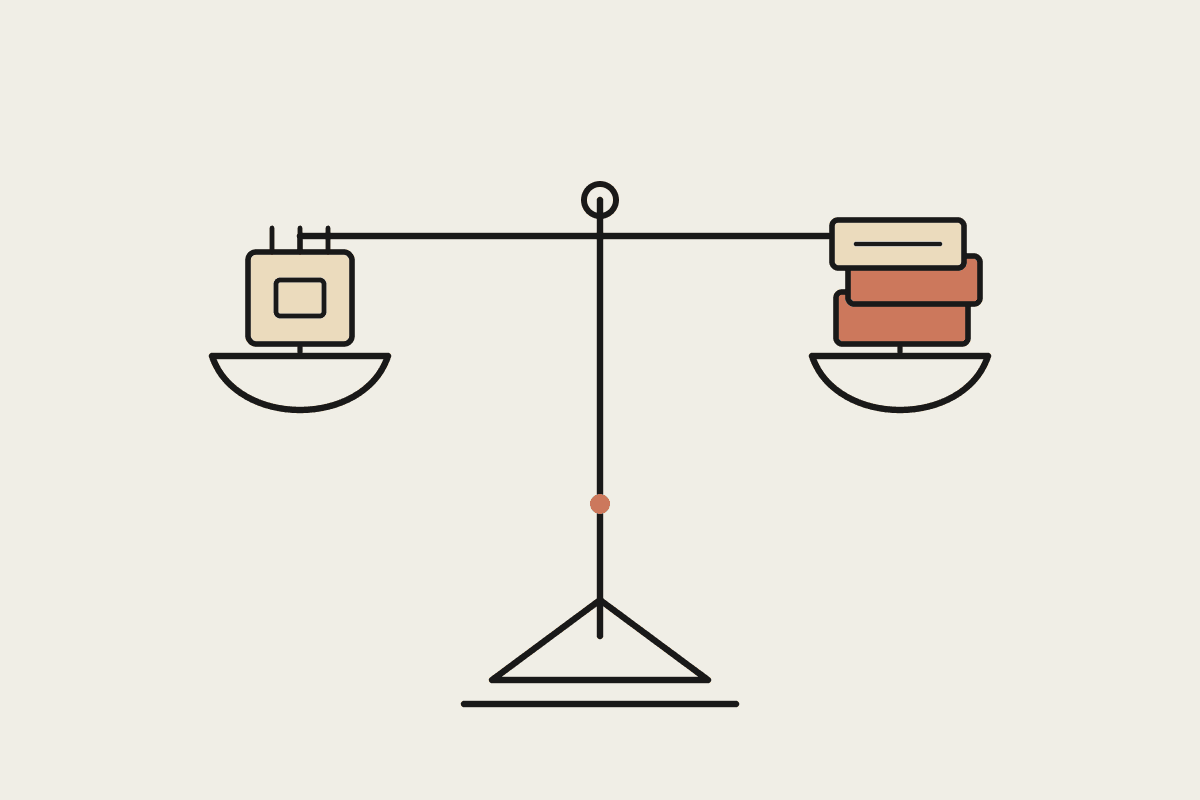
Because the contract is what takes the time, not the software. A district that can point at an agreement fifteen peers have already executed skips the slowest and most expensive part of adoption. Without one, every school or department negotiates its own terms with the vendor, pays for its own legal review, and reaches its own conclusion about the same product. The software is identical in both cases. The cost and the timeline are not.
What an Australian school group is actually up against
Education procurement here is fragmented by design. Each state and territory department sets its own arrangements, independent and Catholic school systems contract separately again, and the national instruments that do exist are frameworks for appropriate use rather than vehicles for signing with a vendor.
The Australian Framework for Generative AI in Schools sets principles. It is not a contract and does not clear a vendor for use.
The Privacy Act applies, and from December 2024 the Children's Online Privacy Code work raised the bar again for anything handling student data.
State departments run their own assessments. A NSW approval carries no weight in Victoria or Queensland.
Independent and Catholic systems sit outside those approvals entirely and negotiate on their own.
So an AU school group evaluating any AI vendor, Claude included, is doing original work. There is no shared agreement to inherit. We have written before about which governance model survives contact with a state privacy framework, and that piece assumed the assessment happens once. In practice it happens every time.
What that fragmentation costs
The numbers below are what we see quoted for a first AI vendor assessment at an independent school group, before any licence is paid. They are the reason pilots stall at the paperwork rather than the technology.
| Step | AU school group | US district under the NDPA |
|---|---|---|
| Privacy impact assessment | $8,000 to $15,000, commissioned fresh | Inherited from the signed framework |
| External legal review of terms | $5,000 to $12,000 | Not required for a covered vendor |
| Negotiating data-handling terms | 6 to 12 weeks | Already settled |
| Reusable by a peer school? | No, each group repeats it | Yes, that is the point |
| Typical elapsed time to approval | 3 to 6 months | Weeks |
Call it $15,000 to $25,000 and a term and a half before a single teacher logs in. Spread across a three-school group that is tolerable. For a single independent school it is usually fatal to the project, which is why so many AU schools are running AI through personal accounts that no one has assessed at all.
What to ask a vendor, including us
The honest position is that no vendor can hand you an Australian equivalent of the NDPA, because none exists to hand over. What a vendor can do is make your assessment cheaper to run and easier to reuse. That is a fair thing to test them on:
Can you produce a completed privacy impact assessment for the Australian context, or only a US one?
Where is student data processed, and can that be pinned to a region in the contract rather than a support article?
What is retained, for how long, and is it used for training? Get it in the agreement, not the marketing page.
Will you accept the data-handling schedule our state department already uses, or do we start from your paper?
If a peer school has assessed you already, can any of that work be reused, or does ours start clean?
Our own answer to the fourth one is yes, we work from the school's paper. We say so because the alternative posture, insisting on the vendor's template, is what turns a six-week process into a six-month one.
What not to conclude from this
This is not an argument that Claude is cleared for Australian schools in a way a competitor is not. It is not, and no vendor is, because clearance here is granted by the buyer rather than held by the seller. It is also not an argument that the US model is better in every respect. A shared agreement speeds adoption and it also standardises whatever compromises are baked into it.
The narrow, useful point is this: the news out of the United States is a procurement story wearing a product story's clothes, and the thing that made it possible does not exist here. If you are an AU school group planning an AI rollout for the 2027 school year, the work to budget for is the assessment, not the licences. Our appropriate-use framework for principals is the companion piece on what the policy itself should say once you get there.
If you want that assessment scoped before you commit to a vendor, book a time with us and we will map it against your state's requirements.