OpenAI announced three new education plugins for ChatGPT Work and Codex on 4 August, aimed at K-12 teachers, college educators and college students. It is a direct answer to a move Anthropic made three weeks earlier: Claude for Teachers, launched 14 July with free access for US K-12 educators, a Learning Commons connector, and purpose-built teaching Skills. For Australian schools and EdTech buyers now watching both platforms court the education market, the announcements are less interesting than what sits underneath them.
Same problem, two different shapes
OpenAI's plugins are described as a package: apps, role-specific skills, instructions and common workflows bundled together so a teacher or student does not have to write a complex prompt to get started. That is a reasonable description of what Claude has been building toward with Skills and connectors for over a year, packaged here under a new label for OpenAI's education push.
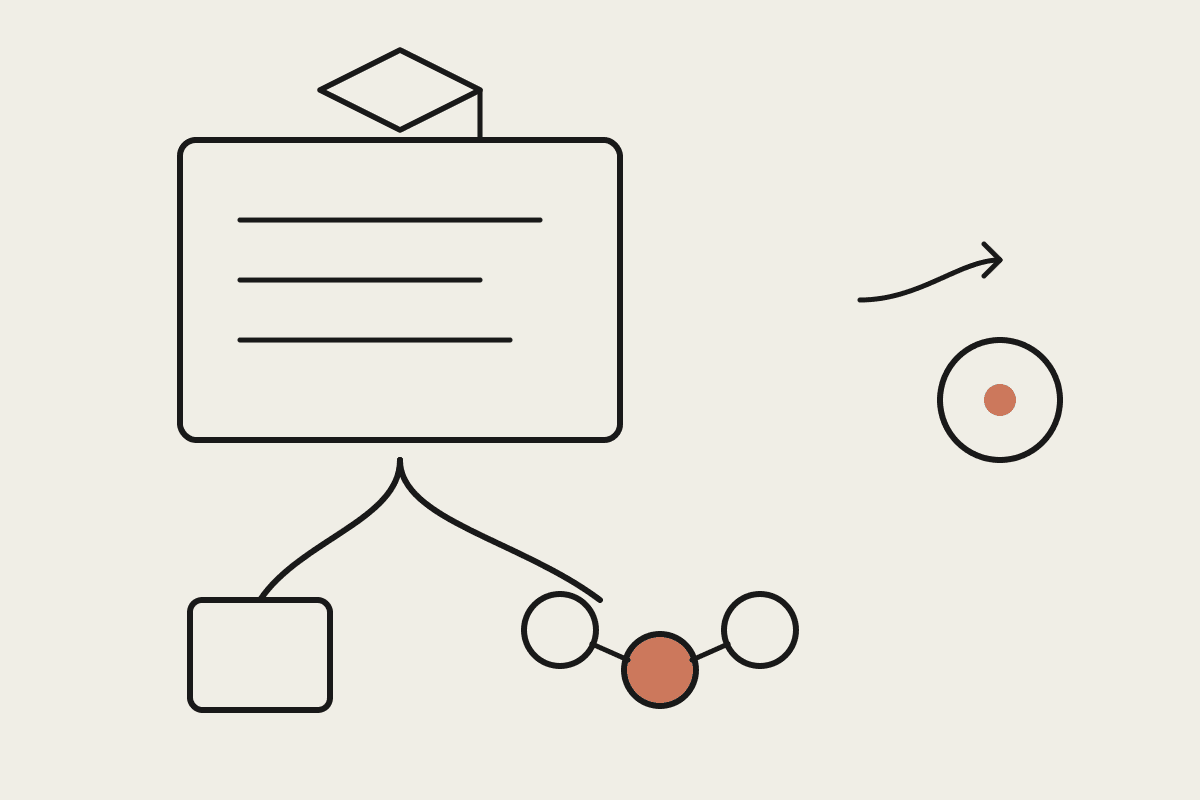
The meaningful difference is architecture, not marketing copy. Claude keeps the pieces separate: Skills are portable instructions a school can inspect, edit and reuse across Claude Code, Claude Cowork and claude.ai; connectors, like the Learning Commons connector Anthropic shipped alongside Claude for Teachers, plug in external content sources under admin-controlled access; and scheduled tasks let a school automate recurring work, such as weekly lesson-plan drafts or marking-rubric generation, without a teacher re-triggering it each time. A plugin, in OpenAI's framing, bundles those concerns into one installable unit aimed at ChatGPT Edu and ChatGPT for Teachers deployments specifically.
For a school evaluating either platform, that distinction matters more than the feature list. Bundled plugins are faster to switch on. Separated Skills and connectors are easier to audit, adjust and govern at the IT-admin level, which is the harder problem once a rollout moves past a single enthusiastic teacher's classroom and into a whole-of-department decision.
What a genuine AU rollout actually needs to check
Neither Claude for Teachers nor OpenAI's new plugins are Australian-market products out of the box. Claude for Teachers launched for US K-12 educators; OpenAI's plugins go out through ChatGPT Edu and ChatGPT for Teachers district deployments, also a US-shaped rollout structure. Australian schools and universities evaluating either one are doing so ahead of a formal local release, which is the position most Australian businesses find themselves in with most AI platform launches: reading the US announcement and working out what a locally scoped deployment would actually need.
That gap is where the real decision sits, and it is less about which chatbot writes a better lesson plan and more about which platform's governance model survives contact with a school's IT policy, a state privacy framework, and a mixed-device classroom. A properly scoped evaluation for a NSW or Victorian school, or an RTO sitting under ASQA, should work through a short checklist before either vendor's local sales team shows up:
Data residency and retention: where student and staff data is processed and stored, and whether that maps to your state education department's data governance policy.
Australian Privacy Principles alignment: how access logging, deletion requests and consent for minors are handled under the Privacy Act, not just the vendor's US-facing terms.
Admin-level access gating: whether a single IT admin can scope which staff, year levels or subjects get access, rather than an all-or-nothing rollout.
Spend and usage controls: budget caps and visibility per department, so a pilot in one faculty does not become an uncapped bill across the school.
Audit trail: whether you can see what a Skill or connector actually did, which matters more once a state auditor or a parent body asks.
The AU angle
Claude's Skills-and-connectors separation, plus admin-level access gating and spend controls documented in Anthropic's own cost-visibility guide published the same week as OpenAI's plugin announcement, gives an IT team more granular levers to pull than a pre-bundled plugin does. That is not a claim that Claude is certified or hosted locally for Australian education, because it is not, out of the box. It is a claim about which architecture makes a compliant AU deployment easier to build once you decide to build one.
What this comparison isn't
This is not a verdict that one platform is safe for Australian schools and the other is not. Both Claude for Teachers and OpenAI's education plugins are US-first releases, and a school adopting either needs its own scoping work, typically a fixed-fee engagement in the order of A$4,500 to A$8,000 depending on the number of systems being integrated, before students or staff touch it in production. Skipping that step to move fast is the most common mistake we see schools and RTOs make with any AI platform launch, regardless of vendor.
The Automata AI take
Expect more of these side-by-side launches through the rest of the year as both companies chase the education and public-sector wedge. If your school, RTO or university is fielding a genuine Claude-or-ChatGPT decision and needs someone to scope what a compliant, AU-appropriate rollout looks like, rather than read the press release and hope, that is a conversation worth having first. Book a brainstorm and we will map it against your existing IT policy.