In August 2026 OpenAI published its findings on a security incident involving Hugging Face, along with the changes it is making to model security, monitoring and alignment work. The useful thing for an Australian business is not the incident itself. It is the category of risk the incident sits in, because most AI due-diligence checklists, as at 2026, still do not cover it.
If you run Claude through the API or through Claude Code, this is not a story about your provider being breached. It is a story about the part of the AI supply chain that sits underneath almost everyone, and the questions you ask about it are different from the ones you ask a vendor.
A model hub is a distribution channel, not a vendor
Hugging Face is where open-weight models live. When a team downloads a set of weights, a tokeniser config or an inference script from a public hub, they are pulling executable artefacts from a third party into their own environment. That is the same shape as pulling an npm package or a PyPI wheel, and it deserves the same suspicion.
Standard AI vendor questionnaires do not treat it that way. They ask about data residency, retention, subprocessors and model training. All reasonable questions. None of them touch the case where the artefact you downloaded is not the artefact the publisher intended you to have.
The distinction matters because the two risks land in different places on your risk register:
Vendor risk sits with the provider. If you use Claude through the API, the weights never leave Anthropic's infrastructure and you inherit their controls, for better or worse.
Supply chain risk sits with you. If you download weights and run them on your own GPUs, you own the integrity of that artefact from the moment it lands on your disk.
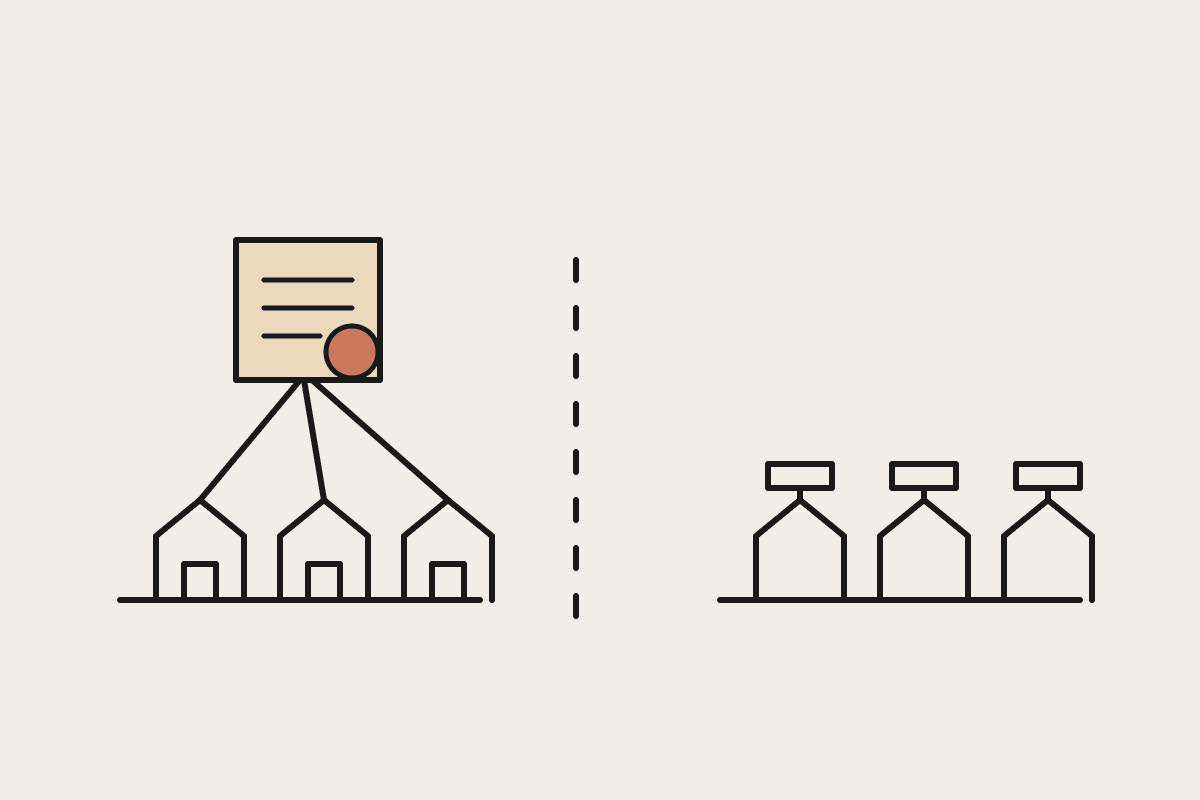
Most Australian mid-market teams carry both, because the hosted model does the customer-facing work while someone in engineering is quietly experimenting with an open-weight model on a workstation.
The second and third of those are the ones that go unmonitored. We have walked into engagements in Sydney and Melbourne where the formal AI vendor register listed two providers, and the actual model footprint, once we looked at what was installed, ran to eleven.
Where the risk actually sits, by consumption mode
It helps to separate the two modes before you write a single control. The table below is the version we hand to clients at the start of a governance review.
| Question | Claude via hosted API | Self-hosted open weights |
|---|---|---|
| Who holds the model artefact | Anthropic | You do, on your own disk |
| Who verifies its integrity | The provider, as part of their controls | You, on every single pull |
| If the artefact is tampered with | A provider incident with a contractual remedy | Your incident, with no counterparty |
| Blast radius if compromised | Bounded by the API surface | Bounded only by the tool and network access you granted it |
| Who you can ask for evidence | A named vendor, under contract | A public registry you have no relationship with |
| Who owns it under CPS 234 | Shared and documented | Entirely you |
Does the Hugging Face incident affect teams running Claude?
Not directly, if Claude is the only model you consume. When Claude is used through the API, Claude Code or Cowork, the model artefact never enters your custody, so there is nothing on your side to verify, no checksum to compare and no poisoned download to catch. Your exposure is the provider's exposure, which is exactly what a vendor questionnaire is built to assess. The incident becomes yours only when someone in your organisation also downloads open weights.
The moment someone on your team pulls open weights, that changes. You have taken custody of a binary from a public registry and you are running it with whatever tool access you gave it. If that model has file system or network reach through an agent framework, a compromised artefact is a remote code execution problem, not a content-safety problem. Those get handled by different people in most organisations, and the second team usually has not been told.
This is why we have argued in our twenty-question AI vendor due-diligence checklist that the questionnaire alone is insufficient. It assesses the front door. Model downloads come through the loading dock.
A due-diligence pass you can run this week
None of this requires a programme of work. It requires an afternoon and someone willing to look:
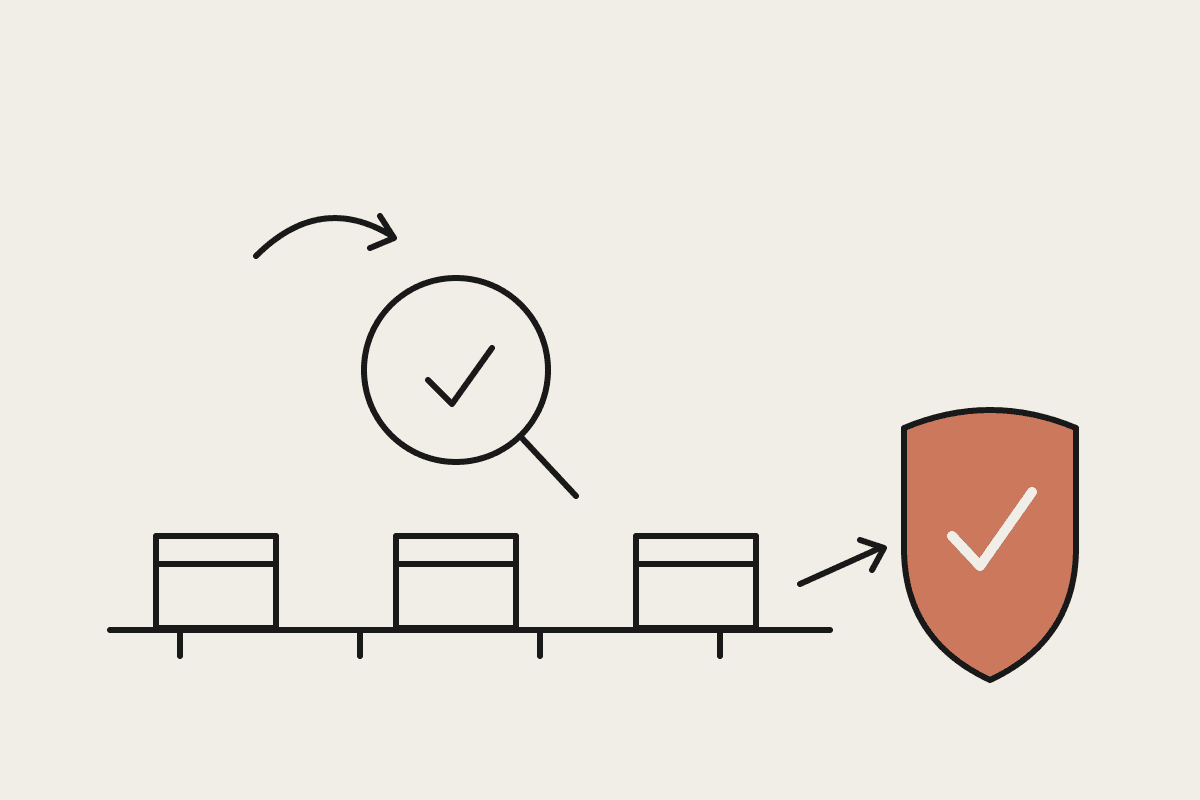
Inventory every model artefact actually running in your environment, not the ones on the vendor register. Include workstations and anything a developer spun up on a cloud GPU.
For each open-weight model, record where it was downloaded from, who downloaded it, whether the hash was verified against the publisher, and what tool permissions it currently holds.
Check whether your inference stack loads pickled formats. Prefer safetensors. A pickle file executes code on load, which is the mechanism most model supply-chain attacks depend on.
Decide which workloads are allowed to touch open weights at all. Customer data and anything covered by the Privacy Act is the obvious line, and for APRA-regulated entities CPS 234 already requires you to be able to answer this.
Put the model registry itself into your third-party register, alongside your cloud provider. It is a dependency whether or not you ever signed a contract with it.
For a fifteen-person firm this is roughly a day of work, or about $1,800 of internal time. The alternative is discovering the answer during an incident, when the same question costs a great deal more and gets asked by someone else.
If your team runs Claude in the desktop app, our note on what Cowork can and cannot access covers the equivalent boundary question for that surface.
What we will not claim
We build on Claude, and we are not going to use somebody else's incident to suggest Claude is immune to an equivalent one. It is not. Anthropic operates infrastructure, ships model updates and depends on suppliers, and any of those can fail. Anyone telling you otherwise is selling.
What we will say is narrower and more useful. Consuming a model through a hosted API removes an entire class of artefact-integrity risk from your side of the boundary, because you never take custody of the artefact. That is a real structural difference, and it is worth understanding before you decide that self-hosting an open-weight model is the conservative choice. It often is not.
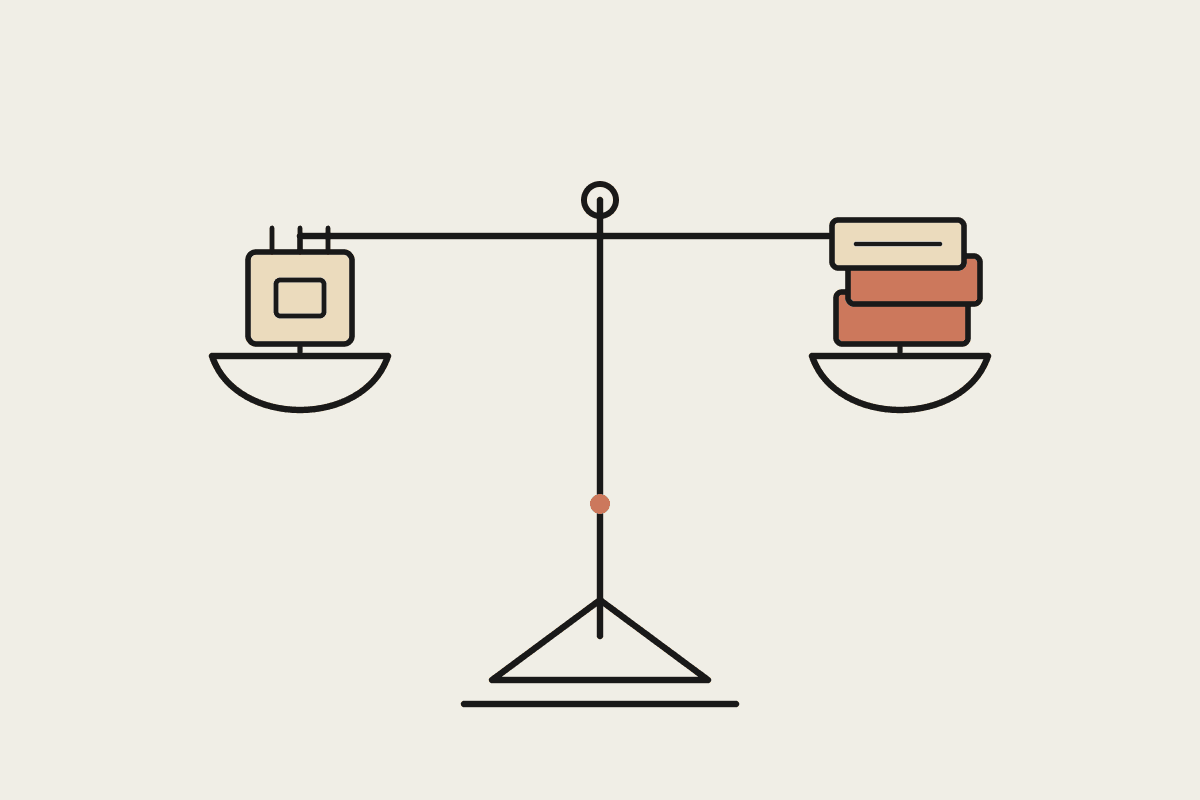
The honest framing for an Australian board is that hosted and self-hosted trade one risk for another. Hosted concentrates risk in a provider you can contract with and audit. Self-hosted distributes it across a registry you have no relationship with and controls you have to build and staff yourself. Neither is safe by default. Only one of them is commonly assumed to be.
If you want a second set of eyes on where your model footprint actually sits, book a time with us and we will run the inventory pass with your team.