At Code with Claude SF 2026, the Director of Engineering for Claude Code and Claude Cowork described what happened to her team once agentic coding became the default way of working. The finding is easy to state and uncomfortable to act on. Writing code stopped being the bottleneck, and verification, review, and security moved into its place.
That single shift breaks a surprising number of engineering rituals that were quietly built to protect a constraint that no longer exists. For Australian teams rolling out Claude Code right now, knowing which processes fail first is the difference between a real productivity gain and a faster version of the same bottleneck.
The processes that quietly stopped working
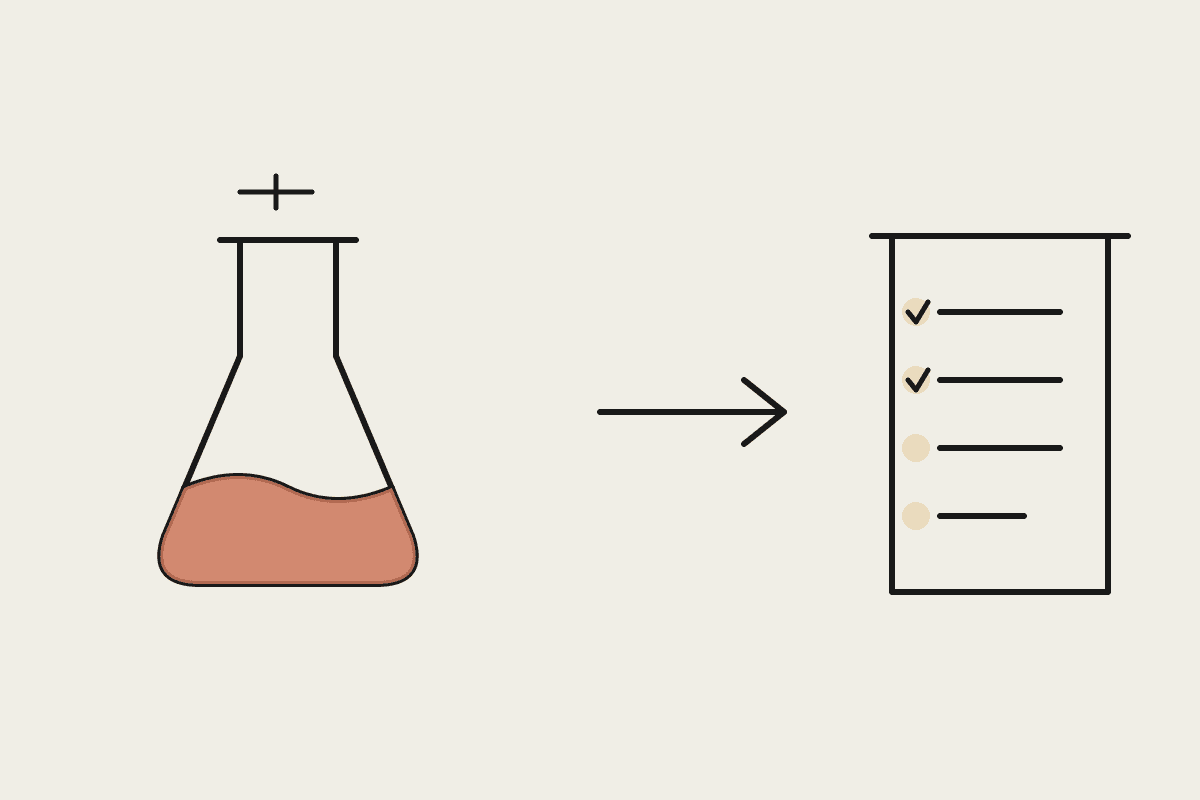
For decades, engineering bandwidth was the expensive input, and planning rituals were designed around protecting it. Big upfront design, long roadmaps, and careful sequencing all made sense when typing the code was the slow part. Once agentic coding removed most of that effort, those rituals kept running long after the constraint they solved had gone.
The first things to creak are the planning artefacts:
Six-month roadmaps go stale by month three because throughput changes faster than the plan assumed.
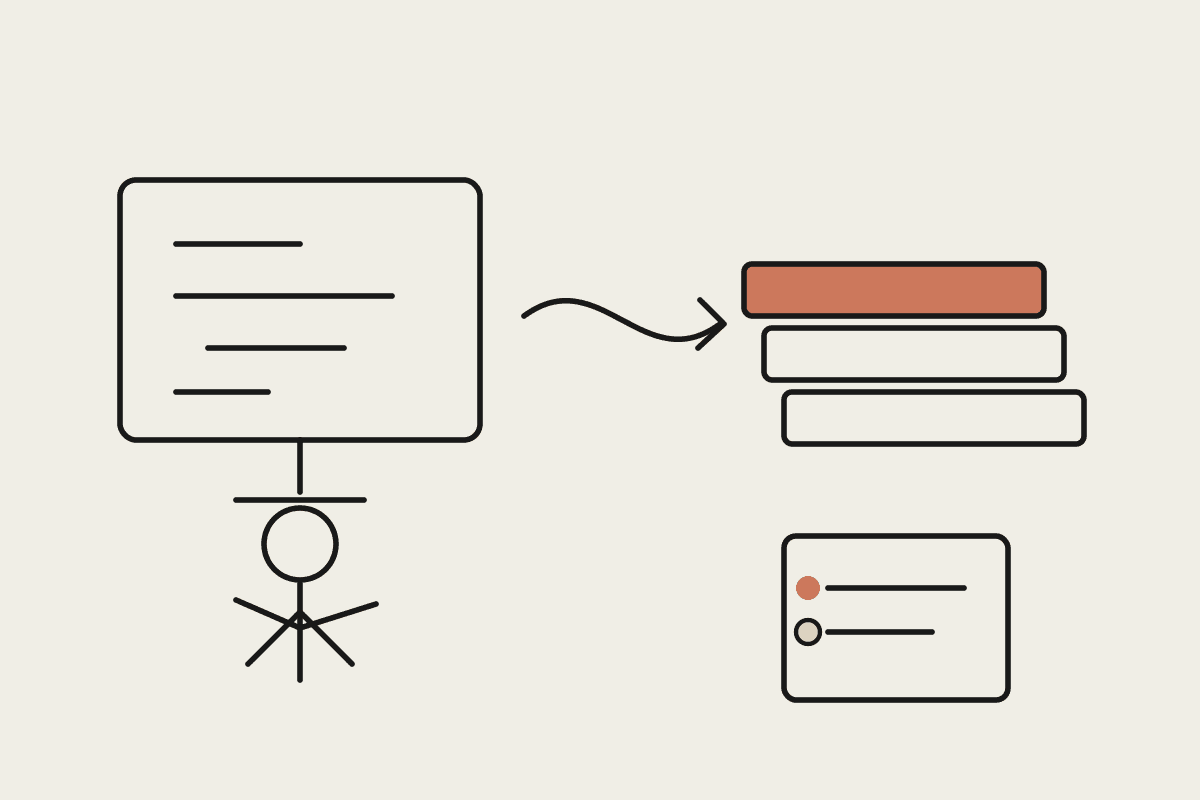
Heavy upfront design documents give way to decisions made in pull requests, where the work actually happens.
Planning shifts to just in time: the right amount of planning at the right moment, rather than all of it before a line is written.
The takeaway is not that planning disappears. It moves closer to the work and gets lighter. Teams that treat their old planning cadence as sacred end up spending judgement on documents that are out of date before the sprint ends.
Verification becomes the new bottleneck
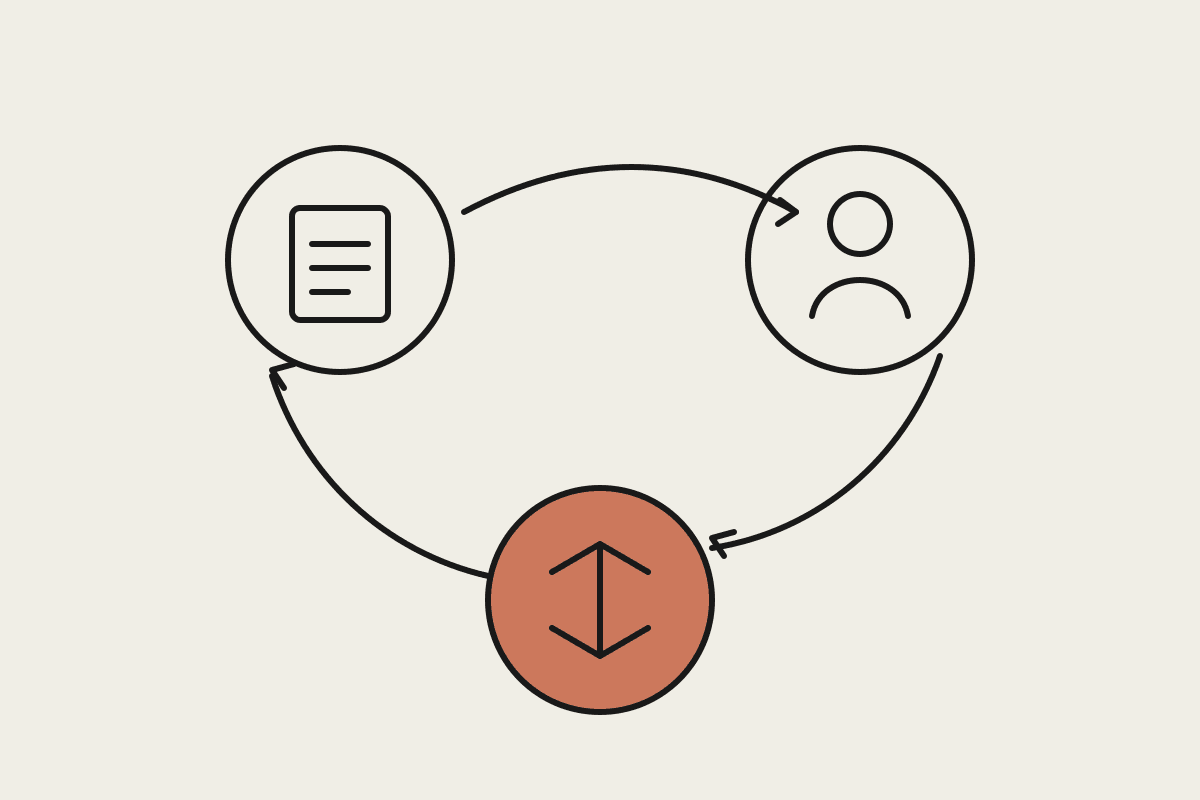
When everyone on the team can generate a lot of correct-looking code quickly, the hard questions change. The pressing ones become whether the code is actually correct, how it will be maintained, and how humans keep up with the volume of review. That is where the time now goes.
Review capacity, not authoring capacity, becomes the limiting factor for shipping.
Security and correctness checks have to scale with output rather than lag behind it.
People move up the stack toward judgement, architecture, and risk, and away from line-by-line typing.
This is the part most teams underestimate. If authoring speeds up tenfold but review stays the same, the queue of unreviewed work simply grows. The honest version of an AI-native rollout invests in review tooling, test coverage, and clear ownership of triage at the same time it adopts the model, not six months later when the backlog has already formed.
A concrete example helps. A team that ships fifteen pull requests a week with two reviewers does not magically cope when Claude Code helps it open forty. The reviewers become the constraint, context-switching cost climbs, and quality quietly drops as people rubber-stamp changes to clear the queue. The fix is structural: smaller and more frequent pull requests, automated checks that catch the routine problems before a human looks, and a deliberate decision about how much review each class of change actually needs. None of that happens by accident, and none of it is the model vendor’s job to solve for you.
What this means for Australian engineering teams
Most Australian engineering orgs are still planning as if authoring is the expensive step. It usually is not anymore. The advantage goes to teams that redesign their process around review and verification rather than bolting Claude Code onto an unchanged waterfall and hoping the speed shows up in delivery.
The economics make the point clearly. A fully loaded senior engineer in Sydney costs a business around $220,000 a year. The return on agentic coding does not come from cutting that cost. It comes from pointing that expensive judgement at the work that genuinely needs a human: review, architecture, and risk decisions. A team that frees senior engineers from routine authoring and then leaves them reviewing twice the volume with the same process has captured none of the value. Worse, it can erode it, because tired reviewers approving work they did not fully read is how defects reach production. The teams that win treat the saved authoring time as a budget to reinvest in verification, not a cost to bank.
Practical first moves for an Australian team adopting Claude Code:
Measure review throughput before the rollout so you can see the queue forming early.
Decide who owns triage when a model surfaces dozens of real issues at once, and give them time to do it.
Lighten planning deliberately, replacing long upfront design with shorter, more frequent decisions in pull requests.
Treat security and correctness checks as a baseline that scales with output, not an afterthought.
Where Automata AI fits
We help Australian teams adopt Claude Code without breaking the processes that hold their work together. In practice that means redesigning review, planning, and security norms so the speed gain is real and maintainable, rather than fast code that nobody has the capacity to verify. The goal is an engineering org where the human judgement you are paying for lands on the decisions that matter most.
If your team is rolling out Claude Code and the old process is starting to creak, that is exactly the work we do. Book a consultation and we will map where your bottleneck is really going to move.