A lot of Australian business owners we talk to already have Perplexity open in one tab and Claude open in another, and they are not always sure why. Both tools will answer a research question. Both will hand you a decent first draft. The difference shows up after the first answer, in what happens to it next.
What each tool is actually built for
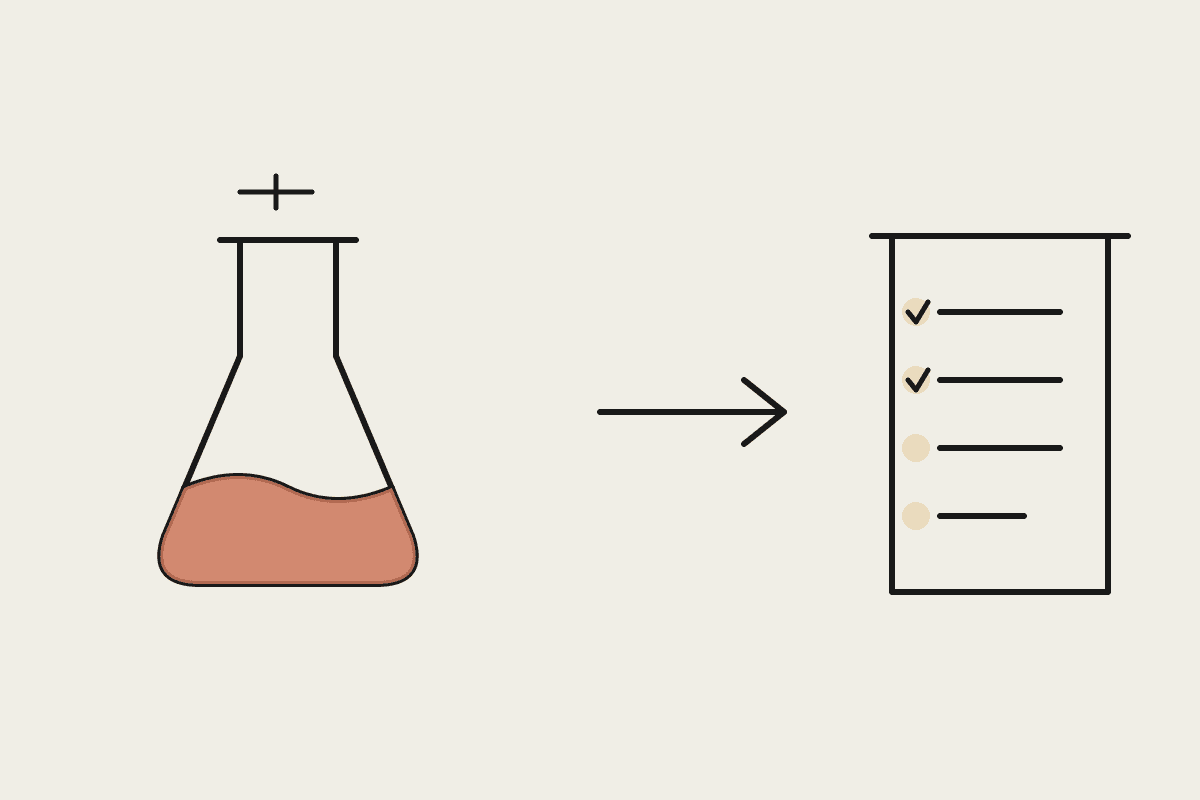
Perplexity is built around a single moment: the search query. You ask a question, it crawls the live web, and it hands back an answer with numbered citations you can click through. That is genuinely useful when you need a fast, sourced snapshot of something happening right now, a competitor's pricing change, a new ASIC notice, a regulation update.
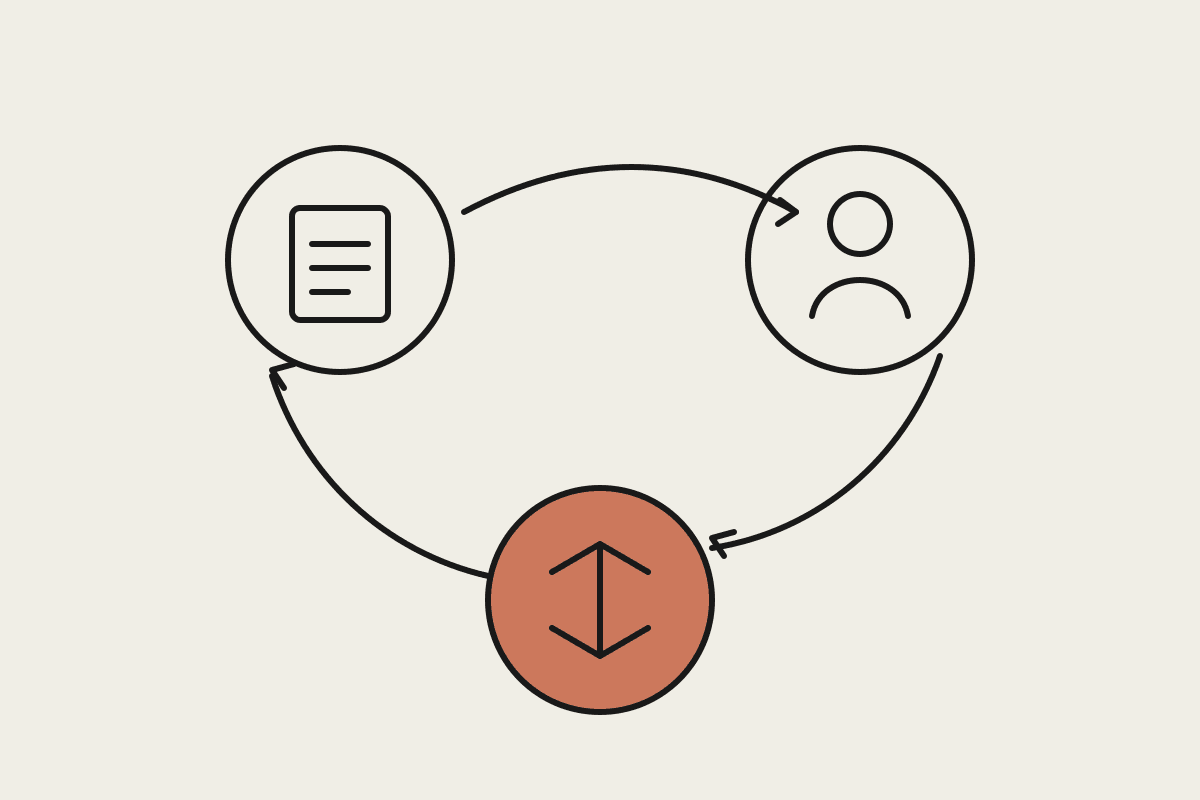
Claude is built for what happens before and after that moment. It can sit inside your Google Drive, your Notion workspace, or your email and pull context from documents you already have. It can hold a research brief, a client history, and your house style in the same conversation, then turn all three into a finished proposal, a client email, or a slide deck. Perplexity answers a question. Claude does the work the question was for.
Where Perplexity earns its keep
Fast, cited market scans, checking what three competitors charge this week, with links to verify each figure.
Fresh news and regulatory tracking, picking up an ASIC or AUSTRAC announcement the same day it lands.
A low-commitment entry price, a Pro subscription runs to roughly $360 a year, cheap for occasional lookups.
No setup required, there is nothing to connect, teach, or configure, you just ask.
Where Claude changes the economics
The economics shift once research turns into deliverables. Take a Sydney bookkeeping practice we worked with earlier this year. They were paying a part-time research and content assistant roughly $45,000 a year to compile competitor scans, client onboarding packs, and monthly newsletters. Perplexity could have done the scanning. It could not draft the onboarding pack in the practice's own voice, save it to the right client folder, and flag it for review, because that is not a search problem. It is a workflow problem, and that is where Claude, especially running inside Claude Cowork, actually takes over the job rather than just answering a question.
The Cowork difference
Claude Cowork connects to the files and apps a task needs, then chains research, drafting, and filing into one run instead of a chat you have to babysit. Ask it to research a prospect, draft the follow-up, and save both to the right client folder, and it does all three in sequence. Perplexity, by design, stops at the answer. If you want a closer look at what that setup involves, our Claude Cowork setup service covers how we configure it for Australian teams.
Pricing side by side
Pricing looks similar on the surface and diverges once you count what a seat actually replaces. Perplexity Pro sits at roughly $360 a year per person for unlimited advanced search. Claude's Team plan runs close to that per seat too, but a Cowork-connected seat replaces hours of manual assembling, not just search minutes. For the bookkeeping practice above, the $45,000-a-year assistant role now costs a fraction of that in subscription and setup fees, with capacity left over for higher-value client work.
A rough decision test
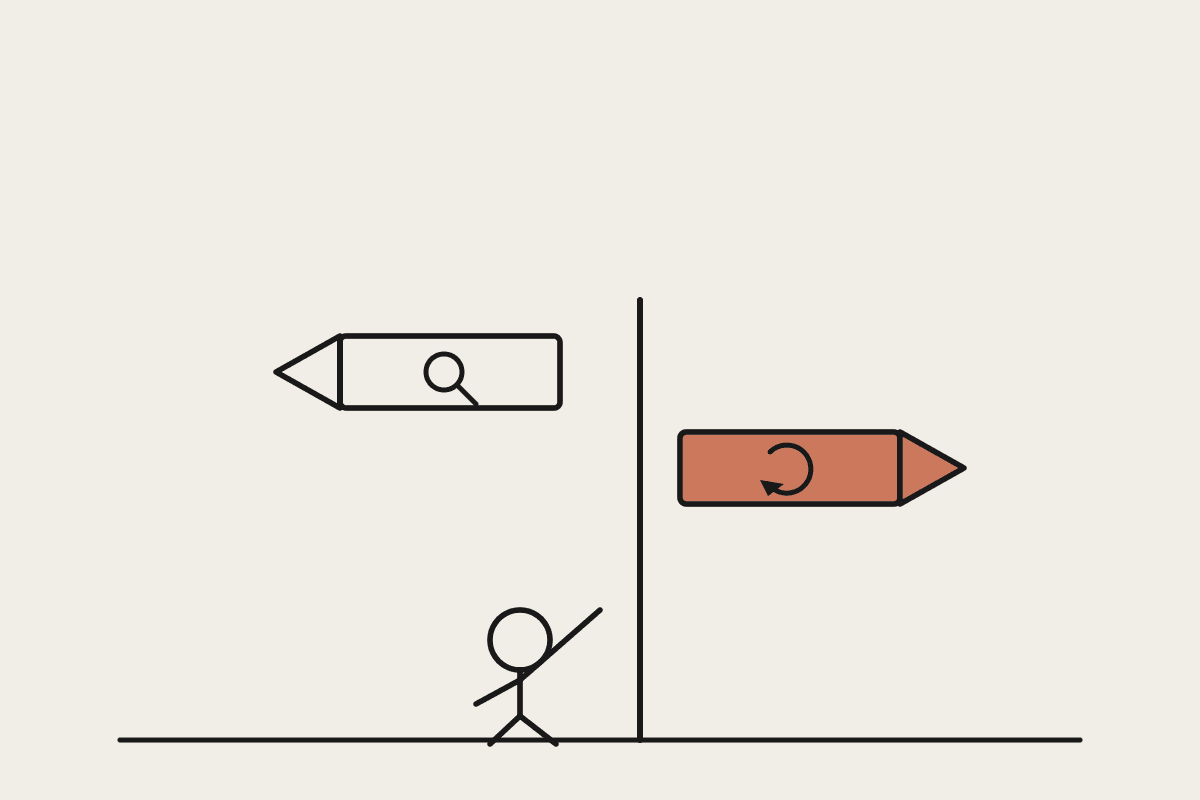
If the task ends the moment you have the answer, a fact, a stat, a quick comparison, Perplexity is the cheaper, faster tool.
If the task starts once you have the answer, a draft, a brief, an updated spreadsheet, Claude earns its subscription.
If the research needs to touch your own documents or client history, only Claude can see them.
If you need the same research repeated on a schedule, Claude can run it unattended, Perplexity needs a human to ask again each time.
We see the same pattern across professional services in Melbourne and Brisbane, not just Sydney. A conveyancing practice will use Perplexity to check a stamp duty threshold this afternoon, then hand the actual client letter to Claude, because the letter needs last month's file history, the firm's standard clauses, and a tone that matches the rest of the correspondence. Neither tool replaces the other, they just sit at different ends of the same piece of work.
The Australian data question
There is one more thing worth weighing before either tool touches client information: what happens to the data you paste in. Under the Privacy Act, an Australian business handling client details still carries the obligation, regardless of which AI tool is doing the drafting. Read the data-handling terms for whichever tool you use, keep identifying client details out of prompts where you can, and treat both tools the same way you would treat any other cloud software with access to sensitive information.
Most businesses we advise end up running both, Perplexity for the quick, cited lookup, Claude for the piece of work that follows it. If you are not sure where that line should sit for your team, book a session and we will map it against what you are actually spending on research and drafting today.