Financial advice in Australia carries a documentation burden few other professional-services verticals match: Statements of Advice that have to be accurate, compliant, and defensible, a Best Interests Duty that shapes every recommendation, and ASIC scrutiny that makes shortcuts genuinely risky. That combination shapes which AI tools actually make sense for an advice practice in 2026, and which ones look appealing but create more risk than they remove.
Purpose-built advice-software AI features
Platforms like Xplan and Midwinter have added AI-assisted features for parts of the SOA drafting process, useful because they're already wired into the practice's client data and compliance framework. The limitation is the same pattern seen across other regulated verticals: these features cover specific, vendor-defined steps in the advice process, and a lot of an adviser's actual admin load, client meeting follow-up, review preparation, ad hoc client communication, sits outside what the practice management platform's AI touches.
Where a general-purpose assistant fits an advice practice
SOA support and review-season drafting, working from an adviser's notes and client file to produce a first-pass document a paraplanner or adviser then reviews and finalises, not a document that goes to a client unreviewed.
Client meeting follow-up and action-item summaries, turning a review meeting into a clear, documented next-steps email.
Compliance file organisation, keeping the audit trail an ASIC review would expect in order without a paraplanner manually filing everything.
Client communication drafting for routine updates (market commentary summaries, portfolio review reminders) that stays clearly separated from anything resembling personal advice unless a licensed adviser has reviewed and approved it.
The Best Interests Duty line that has to stay explicit
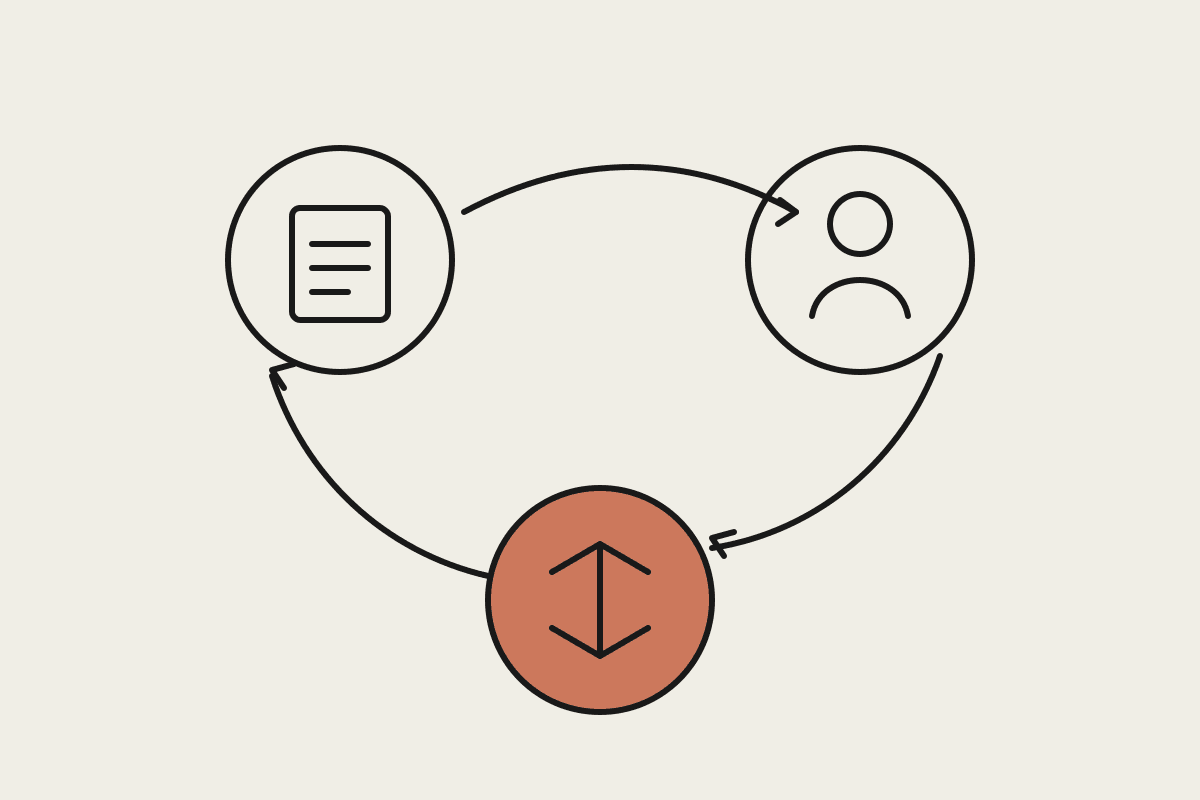
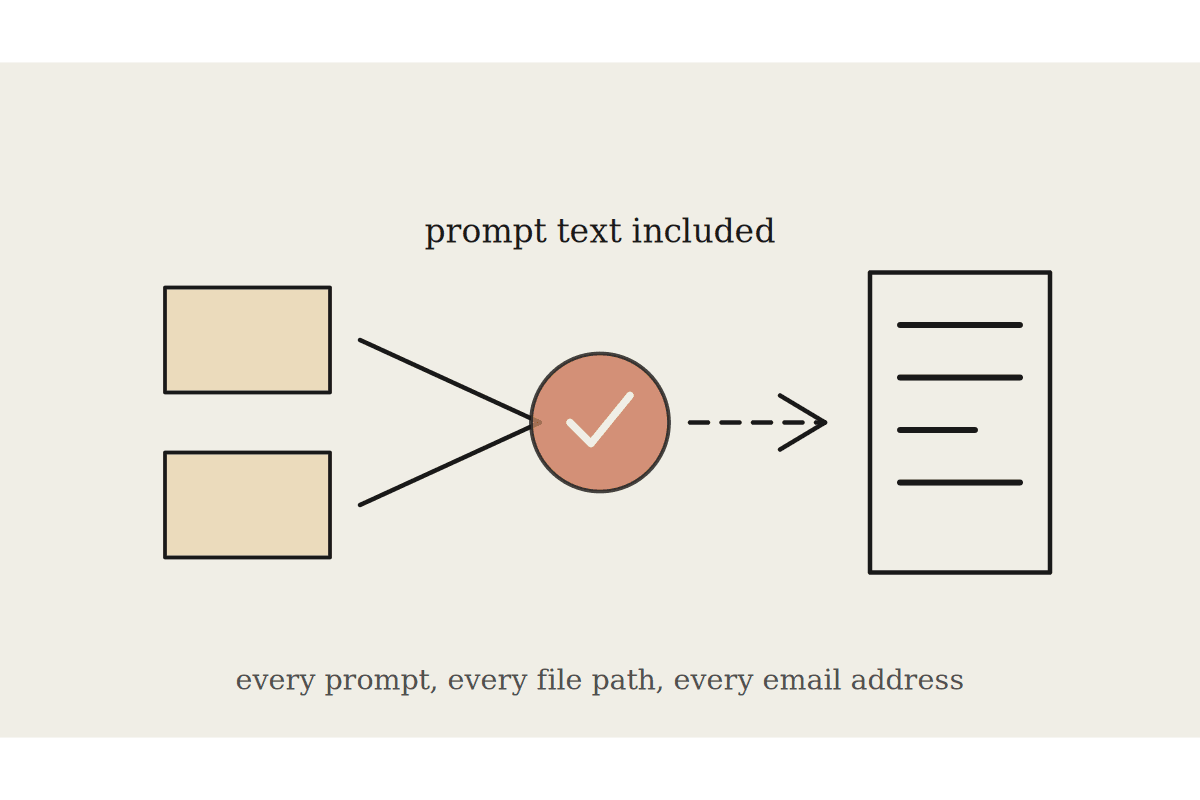
Any AI tool used in an advice practice needs an unambiguous boundary: drafting support for documentation is one thing, anything resembling actual advice content has to originate from and be approved by a licensed adviser, full stop. This isn't a reason to avoid AI tools in an advice practice, but it is the specific configuration discipline that makes them safe: a properly scoped Cowork setup treats every draft as exactly that, a draft, with an explicit adviser sign-off step before anything reaches a client or a compliance file. Practices that skip this discipline and let AI-drafted content go out unreviewed are taking on real regulatory risk regardless of how good the drafting quality is.
Cost and where the payback shows up
A Cowork setup for a financial advice practice, covering SOA support and review-season workflows with proper compliance review gates, typically runs $3,500 to $6,000 depending on practice size and how many advisers need training on the review process. The clearest payback for most practices shows up during review season, the annual or semi-annual period where every client needs a documented review, and where the first-draft time savings compound across dozens of clients rather than a single document.
A worked example: review season without the June scramble
A four-adviser Melbourne practice used to treat its annual client review cycle as a genuine crunch period: paraplanners working long hours through May and June to get every client's review documentation, SOA updates, and file notes done before financial year end. After setting up a Cowork workflow that draws from each client's file and meeting notes to produce a first-pass review summary and updated documentation, the practice's paraplanning team reported the same review volume completing in roughly two-thirds the time, with advisers spending their reclaimed hours on client conversations rather than document assembly. Every draft still went through the same adviser sign-off process the practice already had in place, the workflow changed how fast a draft was ready, not who was accountable for what went to a client.
That last point is worth repeating because it's the detail most advice practices get right when this works well and get wrong when it doesn't: the AI tool speeds up the first draft, it doesn't remove the adviser's judgement or compliance responsibility from the process at any point.
It's worth raising this directly with your compliance manager or licensee before adopting any AI drafting tool, most licensees have or are developing specific guidance on acceptable use, and getting ahead of that conversation is considerably easier than retrofitting compliance sign-off after a workflow's already in daily use.
For a practice sizing up its options, the most useful first step is usually a short audit of what a single review cycle actually costs in paraplanner and adviser hours today, that number makes the case for or against any tool far more concretely than a features comparison ever will.
If your practice is weighing up AI adoption and wants a straight read on where the Best Interests Duty line sits for your specific workflow, get in touch through our contact page.