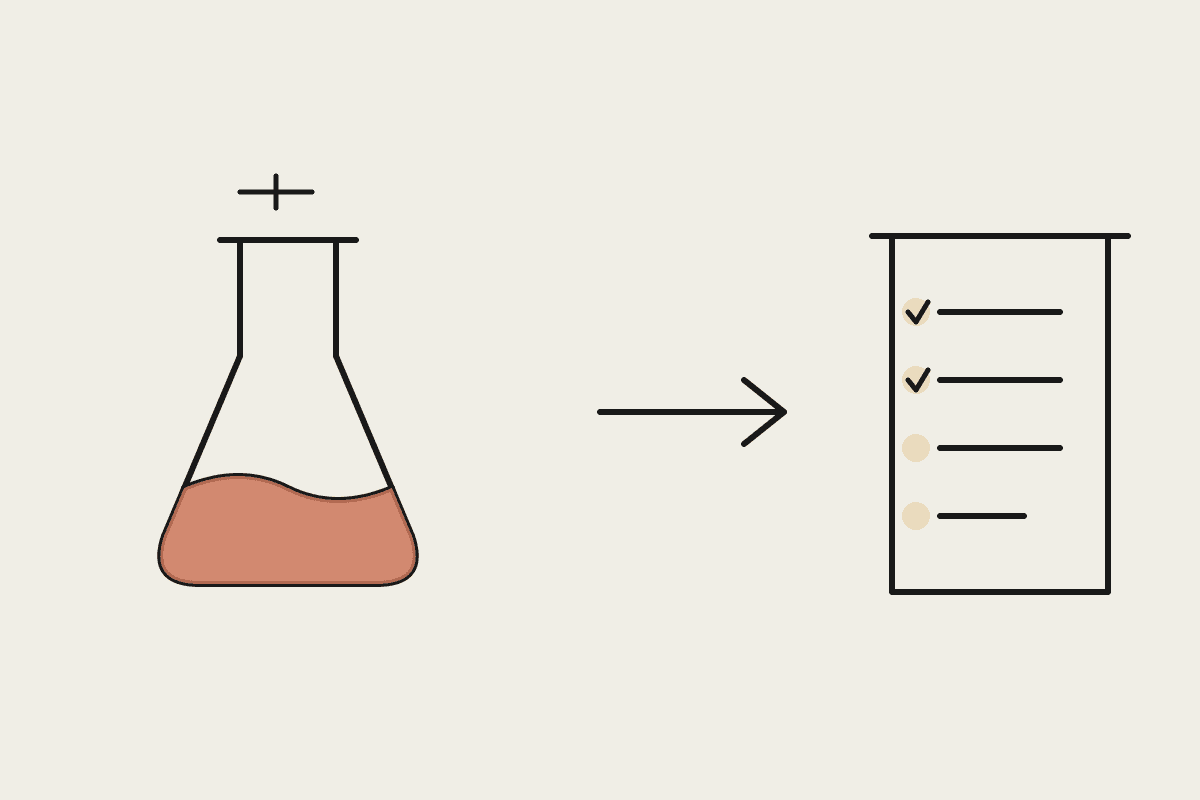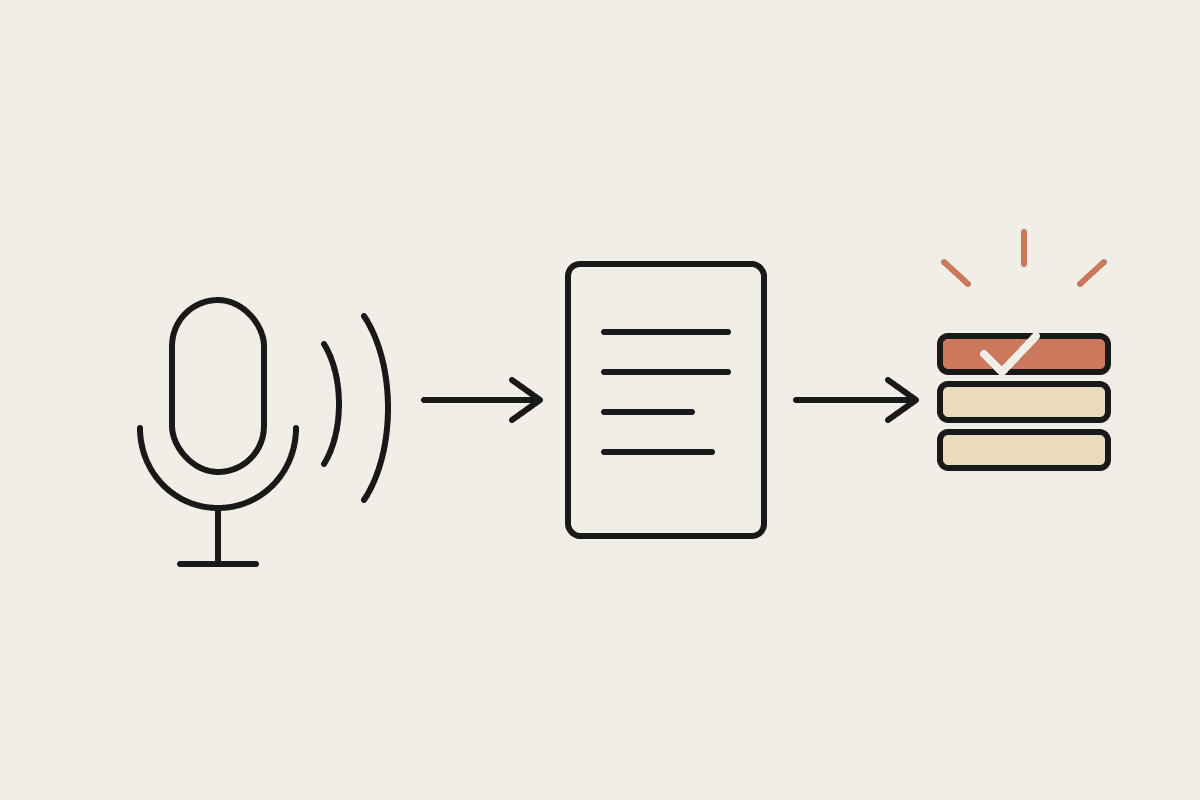
Once a business has automated its first genuinely useful task, the natural question becomes what's next, and without a structured way to prioritise, the answer tends to default to whatever's most recently annoying rather than what would actually deliver the most value. A simple AI backlog, scored consistently, fixes that drift.
A scoring method that doesn't need a spreadsheet expert
Score every candidate task on three dimensions, each from one to five: frequency, how often it happens; pain, how annoying or time-consuming the current manual version is; and feasibility, how straightforward it would be to automate given your current tools and connectors. Multiply the three scores together. The highest-scoring candidates are your next projects, not necessarily the ones that sound most impressive or most urgent in the moment.
Frequency: daily tasks score highest, annual ones score lowest regardless of how painful they are
Pain: how much time or stress the current manual version genuinely costs
Feasibility: does this need a system you're not yet connected to, or can it start today
Multiply, don't add: a low score on any dimension should meaningfully pull down the total
Why multiplying beats adding
A task that happens once a year but is extremely painful scores low on frequency, which correctly keeps it from crowding out a moderately painful task that happens every single week and compounds far more value over a year. Adding the three scores instead of multiplying them tends to let a single extreme score, usually pain, dominate the ranking in a way that doesn't reflect actual annual value, which is why multiplication produces a more honest priority order.
A Melbourne business's actual backlog
A 16-person Melbourne property management business built a backlog of 14 candidate automations after a team brainstorm, scored each on the three dimensions, and found their intuitive top pick, automating lease renewal reminders, actually ranked fourth once scored properly, beaten by arrears follow-up (daily frequency, high pain, already feasible with their existing Xero connector), maintenance request triage, and a weekly owner-reporting summary. Following the scored order rather than gut instinct, the business estimated the correctly prioritised first project delivered roughly $1,400 a month in recovered arrears within the first two months, value the intuitive pick would have delivered months later.
Keeping the backlog alive, not a one-off exercise
Getting the whole team to contribute candidates
The scoring method only works well if the candidate list itself is genuinely comprehensive, and the best source for that list is a short structured conversation with every team, not just the owner's own sense of what's painful. Staff doing the actual repetitive work daily often have a far sharper sense of where the real pain sits than a manager reviewing the business from a level up, and a fifteen-minute conversation per team costs little against the value of surfacing a genuinely high-scoring candidate that leadership wouldn't have thought of independently.
Keep the backlog visible to the whole team too, not just leadership, since staff who see their nominated pain point actually get addressed become considerably more engaged with the next round of nominations than a team that submitted ideas once into a process they never heard about again.
One more refinement worth adding once the backlog has a few entries: a rough cost-to-build estimate alongside the frequency-pain-feasibility score, so the final prioritisation weighs value against effort rather than value alone. Two candidates might score identically on the three-factor method but differ enormously in build cost, and that's worth knowing before committing budget to the next project rather than discovering the gap partway through scoping.
Share the final prioritised list back with the whole team once scoring is done, including a brief explanation of why the top-ranked items beat the ones staff might have expected to see first. That transparency does more to build trust in the process than the ranking itself, since it shows staff their input genuinely shaped the decision rather than disappearing into a process they can't see the reasoning behind.
Over a year, a business running this process consistently tends to build a genuinely well-sequenced automation programme rather than a scattered collection of projects chosen by whoever happened to be loudest in the room that month, which compounds into materially more value delivered for the same total investment of time and budget.
Revisit the backlog every quarter, adding newly noticed pain points and re-scoring feasibility as more connectors and tools come online, since a task that scored low on feasibility six months ago might score much higher once a relevant MCP connector exists that didn't before. Treat it as a living list a team lead owns, not a document written once during an initial AI strategy session and never touched again.