Anthropic opened a research preview of the Model Hardware Standard on 27 August 2026. It is a shared spec that lets AI agents operate physical laboratory and manufacturing devices: microscopes, liquid handlers, robotic arms. If your business runs instruments rather than spreadsheets, this is the first Claude release that points directly at your floor.
What is the Model Hardware Standard?
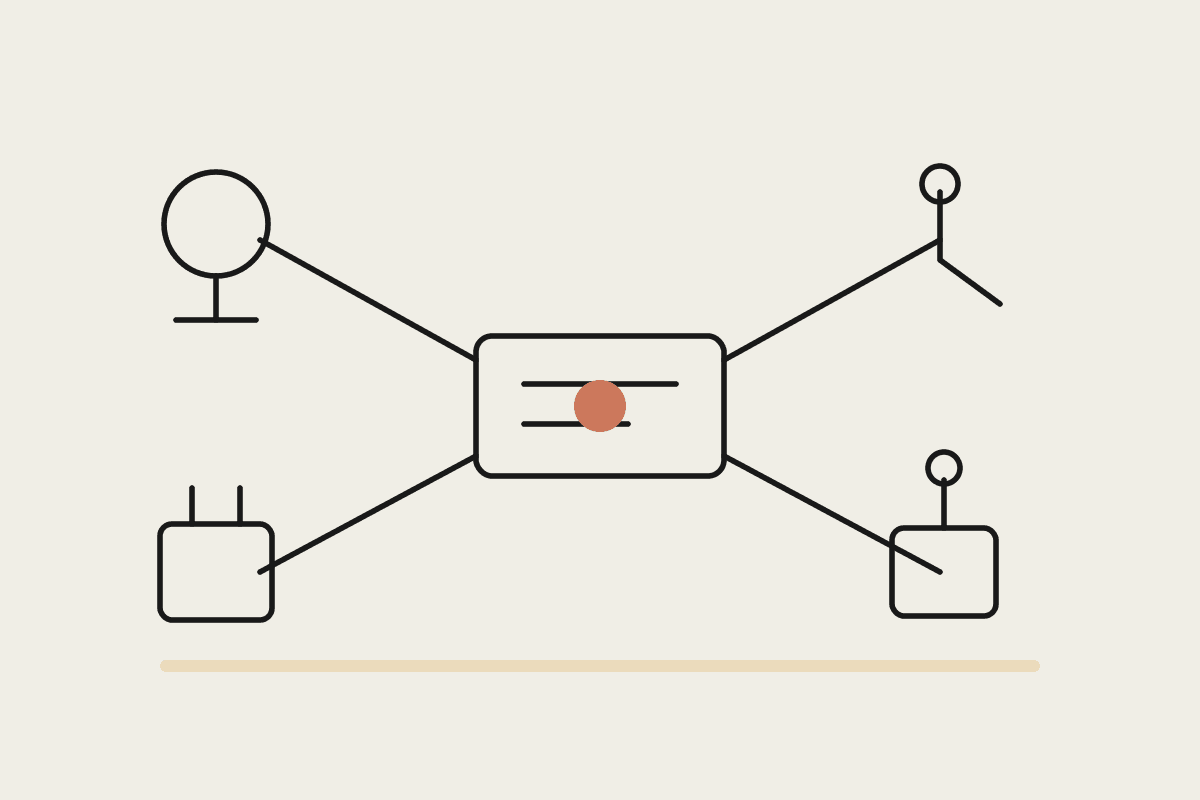
The Model Hardware Standard, or MHS, is a common interface spec that lets an AI agent drive physical devices the same way it drives software tools. Anthropic developed it with the HHMI Janelia Research Campus and published it as a research preview in August 2026. Instead of writing bespoke glue code for every instrument in a lab, a device that speaks MHS exposes its capabilities in a form an agent can call directly, and can be driven alongside other devices in parallel.
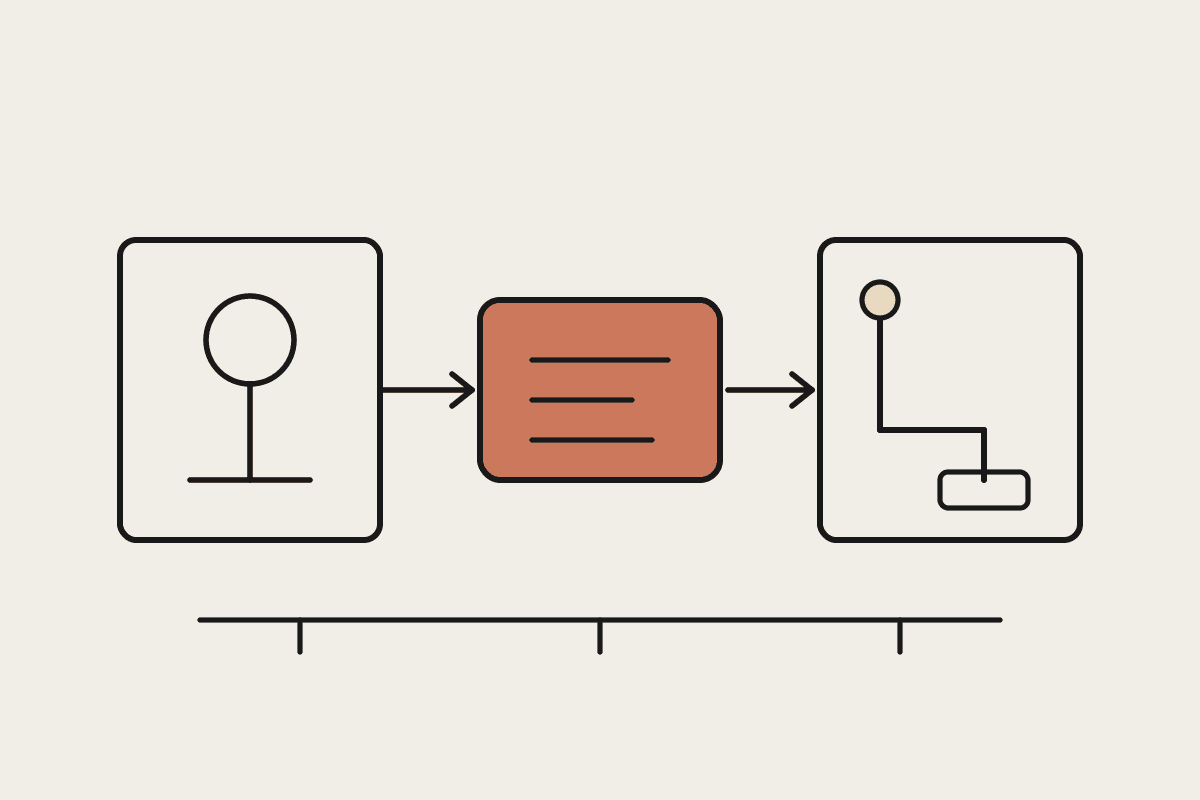
The headline claim is about integration time. Anthropic reports that connecting an instrument drops from weeks or months down to hours or minutes. That is the number worth sitting with, because integration effort is what has kept lab and factory automation the preserve of organisations with in-house software teams.
Why the integration number is the real story
Most Australian labs and mid-size manufacturers do not fail at automation because the idea is bad. They fail because every device speaks its own dialect, the vendor SDK is undocumented, and the one engineer who understood the rig has left. The work is not clever. It is just long, and it has to be redone for each new instrument.
Each instrument historically needs its own driver, error handling and safety interlock work.
That work is rarely reusable, so adding a second device costs almost as much as the first.
Integration cost scales with device count, which is why pilots stall at one or two machines.
A shared spec changes the shape of that curve: the second and third devices get much cheaper.
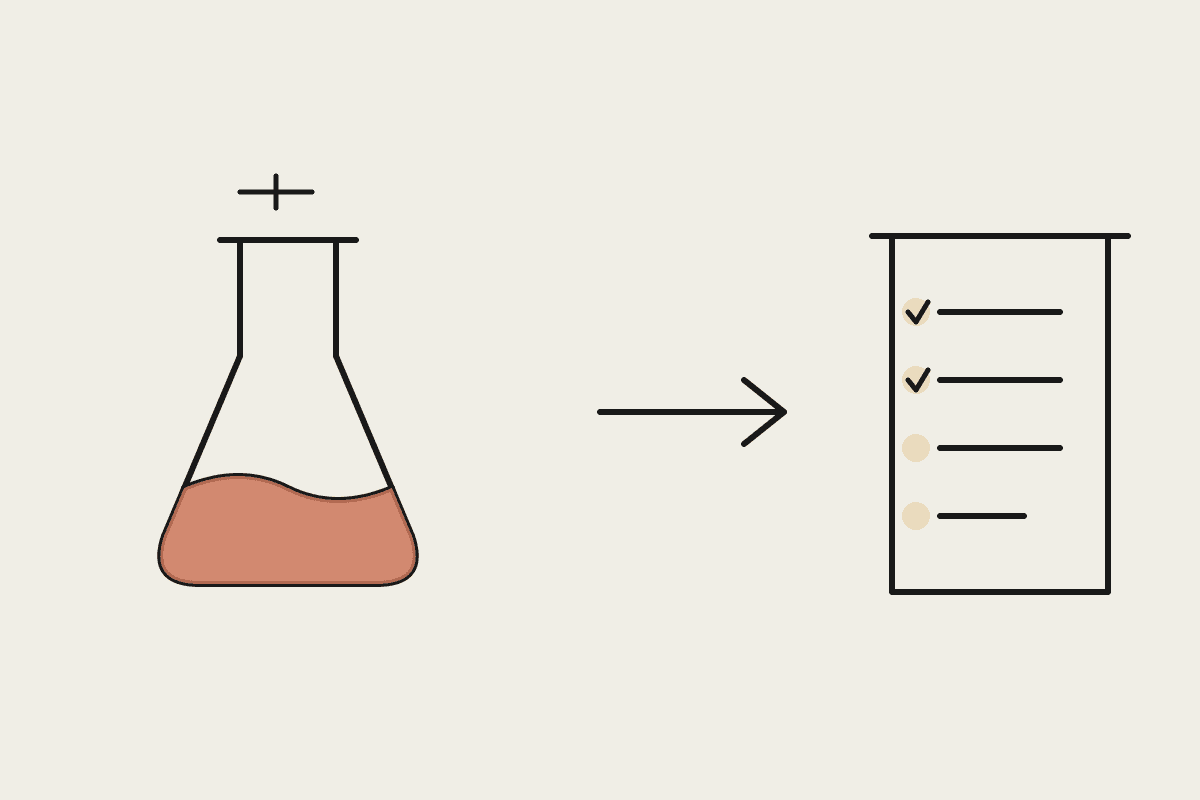
Anthropic's stated use cases span routine drug-discovery experiments through to calibrating lasers on a quantum computer. The spread matters more than either example. A spec that covers both a liquid handler and a laser alignment rig is aiming at general device control, not one vertical.
What would this cost an Australian business to trial?
Nobody can quote a firm price against a research preview, and anyone who does is guessing. What we can do is size the shape of a first project honestly. The figures below are illustrative planning numbers for a single-site trial, not a quote, and they assume you already own the instruments and have someone who knows how they behave when they misbehave.
| Stage | What it covers | Indicative range (AUD) |
|---|---|---|
| Scoping | Device inventory, safety review, pick one workflow | $8,000 - $15,000 |
| First device | Connect one instrument, supervised runs only | $20,000 - $45,000 |
| Second device | Same workflow, added instrument | $8,000 - $18,000 |
| Supervision setup | Logging, stop conditions, operator handover | $10,000 - $20,000 |
The point of laying it out this way is the third row. If the second device does not come in materially cheaper than the first, the spec is not doing its job for your setup, and you should stop after the pilot. That is a test you can write into the engagement before anyone spends money. Our ROI calculator works the same way: decide the number that would make you walk away, then measure against it.
The safety question comes before the capability question
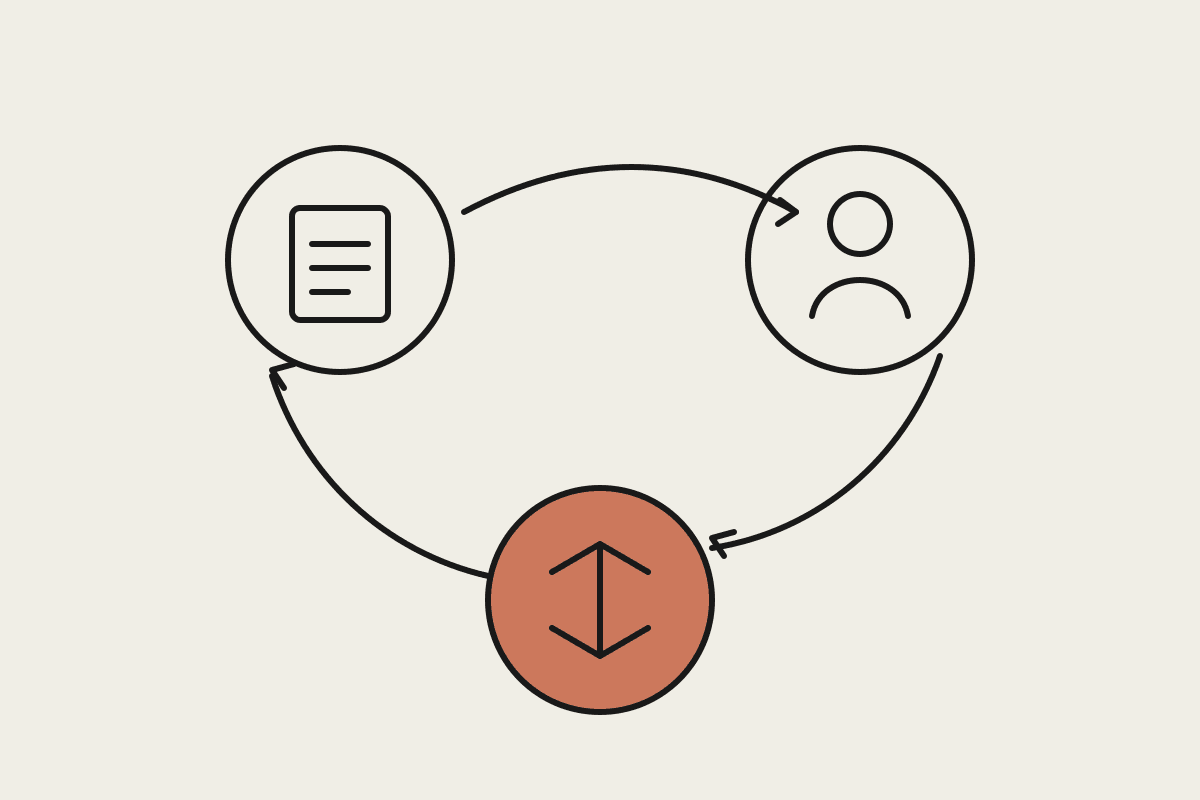
Anthropic is sharing MHS with partners across science, robotics, electronics and manufacturing specifically to build safety evaluations and best practice. Read that as an admission that the safety work is not finished. An agent that can move a robotic arm can move it into something expensive, or someone's hand.
For an Australian operator this lands squarely in work health and safety territory before it lands anywhere near an AI policy. The questions a plant manager should ask are ordinary engineering questions:
What is the physical stop, and can a person reach it without a keyboard?
What does the agent do when a device returns an unexpected state rather than an error?
Who is named as the responsible operator for an unattended run?
Is every command logged in a form that survives an incident review?
None of these are new questions. They are the questions any automation change already has to answer under an Australian WHS regime. The agent does not change the obligation, it just adds a new party issuing the commands.
What not to conclude from this announcement
A research preview is not a product, and this one has a niche first audience. If you run a warehouse, a clinic or a professional services firm, MHS does not currently do anything for you, and a vendor telling you otherwise in September 2026 is selling ahead of the evidence.
Two more cautions worth stating plainly. First, the weeks-to-hours figure comes from Anthropic and its research partner, measured on their devices; treat it as a direction rather than a promise about your fleet. Second, a preview spec can change substantially before it stabilises, so anything you build now should be written to be thrown away. Build the pilot to learn, not to keep.
Who should actually be paying attention
Contract research organisations, university and hospital labs, and manufacturers already running programmable instruments. If your bottleneck is a technician spending the day babysitting a run that could be supervised rather than driven, the economics get interesting fast. If your instruments are manual, this is a 2027 conversation.
The practical move for a Sydney or Melbourne lab this quarter is small: pick one repeatable workflow, count the hours a person spends on it, and write down what a supervised agent would need to be trusted with it. That document is useful whether or not MHS turns out to be the standard that wins. You can read Anthropic's own preview announcement for the source detail.
If you want a second opinion on whether your instruments are a candidate, that is the kind of question we work through in a short session. Have a look at how we scope this work, or book a time to talk it through.