Most Australian businesses buy AI licences before they build the habit of using them. Seats get handed out, a few keen people try things for a week, and then the tool quietly slides to the bottom of the tab bar. The gap is rarely the software. It is that nobody inside the business owns adoption. A Claude Champions program fixes that by naming the people who will carry it.
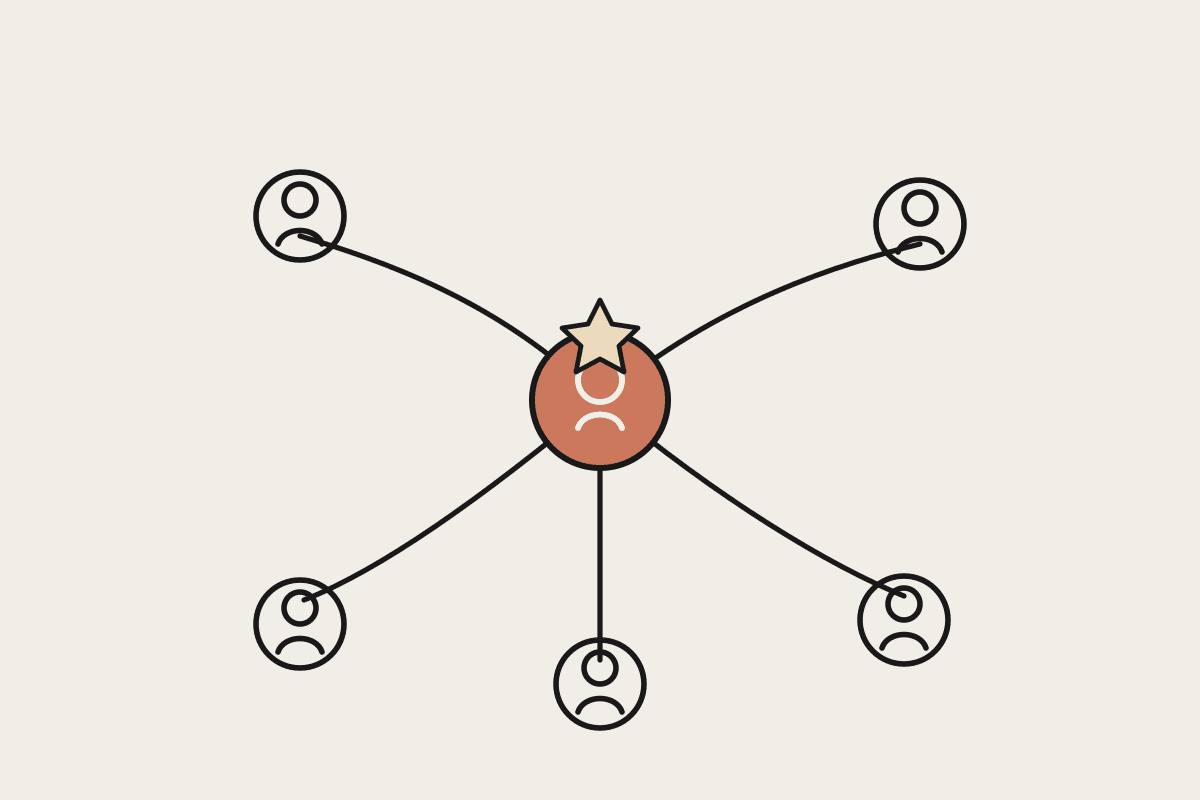
A champion is a normal staff member, not a technologist, who is given a small slice of protected time and a clear brief: help their team get real work done with Claude. Done well, this is the single cheapest lever a Sydney or Melbourne SMB has for turning an AI subscription into measurable output.
What a champion actually does
The role is deliberately practical. A champion is not writing policy or building software. They are the person on the floor who knows both the work and the tool well enough to shorten the distance between them.
Runs a short weekly session showing one real task their team did faster with Claude that week.
Keeps a shared library of prompts that worked, written in plain language so anyone can copy them.
Fields the small questions people are too embarrassed to raise in a group chat.
Flags where Claude should not be used, so sensitive data and client obligations stay respected.
Reports back to the business owner on what is landing and what is stuck.
Notice that most of this is social, not technical. The hardest part of adoption is not learning the tool. It is giving people permission to change how they already work, and a trusted colleague grants that permission far faster than a memo does.
Why the champion model beats a top-down rollout
When a business owner mandates a tool from the top, staff comply on paper and route around it in practice. When a respected peer shows a genuinely useful shortcut in Tuesday's team meeting, the change spreads on its own. This is ordinary human behaviour, and it is why the champion sits inside the team rather than above it.
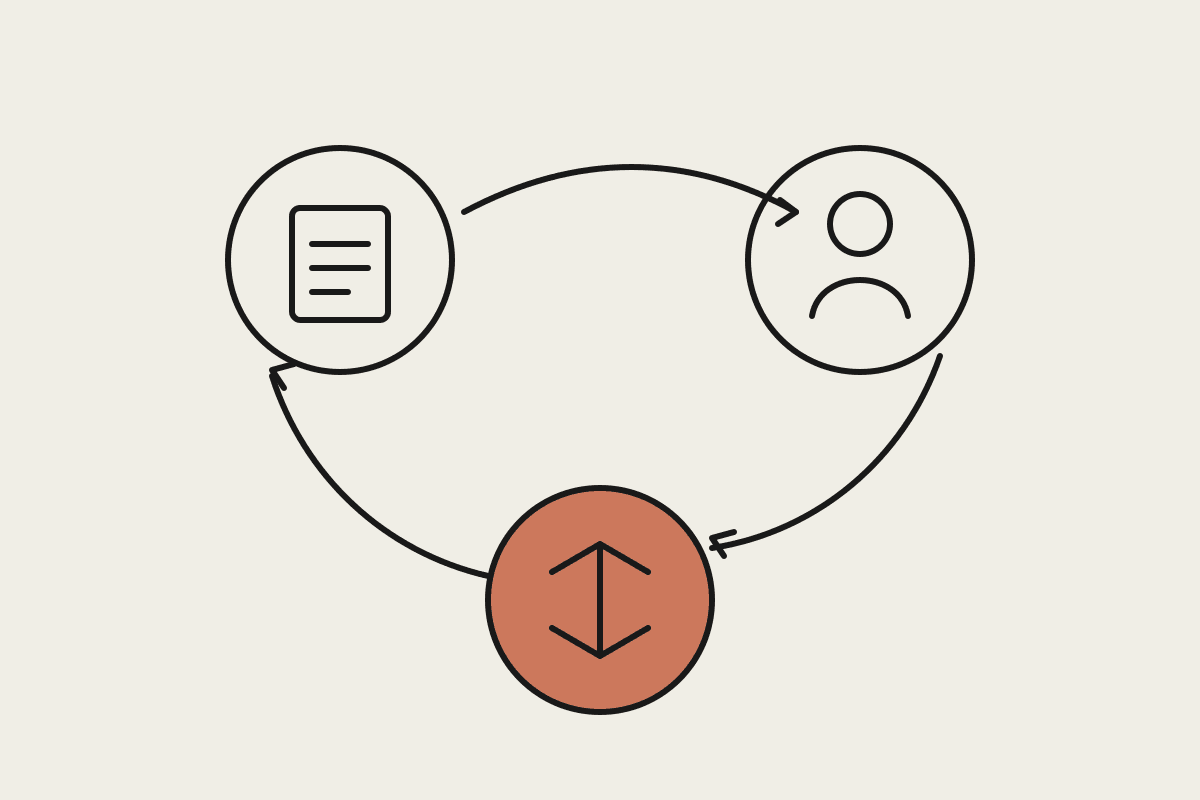
A champion also closes the feedback loop that most rollouts miss. They hear the real objections, the I tried that and it made something up moments, and the tasks where Claude genuinely is not the right fit. That honest picture is worth more than any vendor dashboard, and it keeps the business from over-promising internally.
How to choose your first champions
Resist the urge to pick the most technical person. The best champion is usually the one others already ask for help. Look for three traits: they are trusted by their peers, they are curious enough to experiment, and they can explain a thing without making the other person feel slow.
For a team of twenty, one champion is plenty to start. For fifty to a hundred staff across a few functions, aim for one per function, so finance, operations and client services each have a face they can go to. Keep the group small at first. A program of three engaged champions beats a program of ten reluctant ones.
A 90-day structure that works
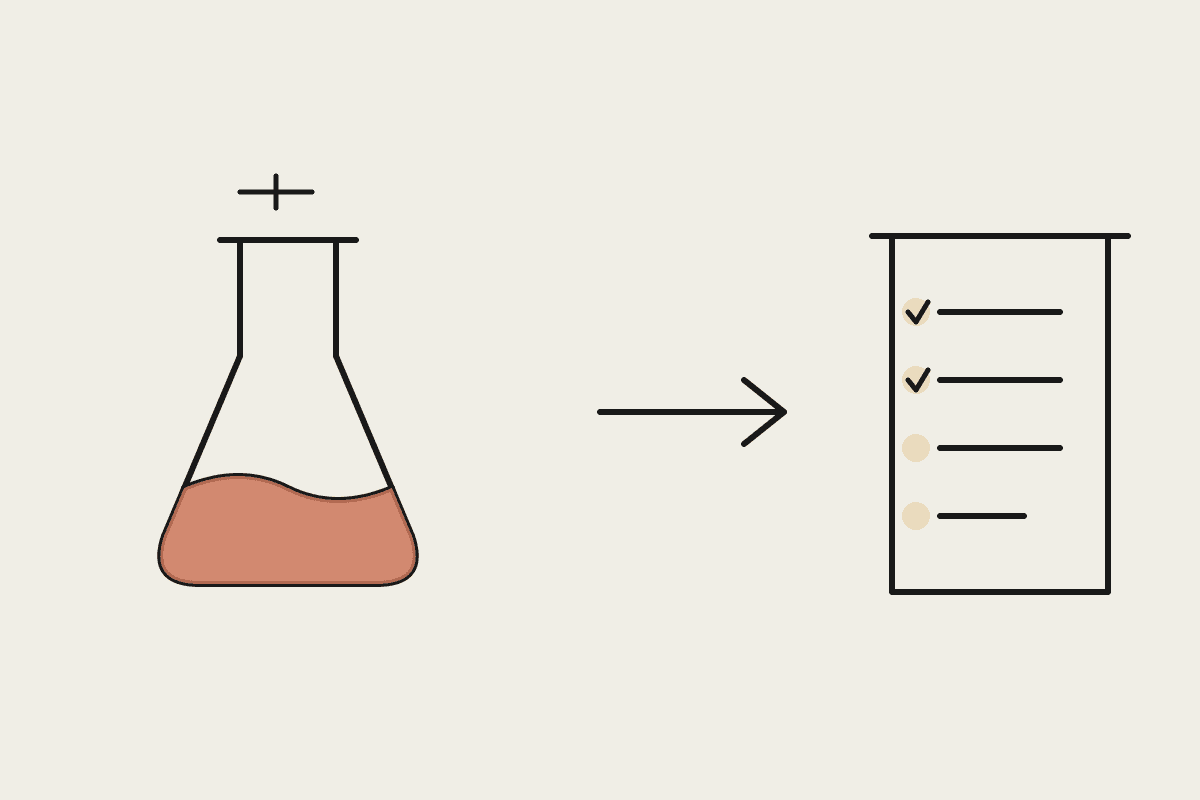
Adoption programs drift when they have no shape, so give the first quarter a simple arc. In the first month, champions get comfortable themselves and pick two or three tasks per team that clearly benefit, such as drafting client updates, summarising long documents, or turning messy notes into a clean brief. In the second month, they run weekly show-and-tell sessions and grow the shared prompt library. By the third month, the business measures what changed: hours returned, turnaround times, and where quality improved.
Set one expectation early. Champions need protected time, roughly two hours a week, blessed by the business owner. Without it the role becomes unpaid overtime and quietly dies. That small carve-out is the whole cost of the program, and it is what separates a real capability from a hopeful one.
Keeping it safe and on-side
Part of a champion's brief is drawing the line on what should not go into any AI tool. In an Australian context that means being clear about personal information covered by the Privacy Act, client confidentiality, and any sector rules your business answers to. A one-page internal note, maintained by the champions and reviewed by whoever owns risk, is enough for most SMBs. The point is that the people closest to the work are also the people setting sensible guardrails, rather than a rule arriving from somewhere they cannot question.
What it costs, and what it saves
The direct cost is modest. Two hours a week of a mid-level staffer's time across a quarter is roughly $3,000 to $8,000 in salary, plus the Claude licences you were already paying for. Against that, the return shows up as time returned across a whole team rather than one person.
A concrete way to see it: if ten people each save two hours a week on drafting and summarising, that is twenty hours weekly, close to $120,000 a year in recovered capacity at typical professional rates. Even if only half of that lands, the champion program has paid for itself many times over, and it has done so by making an asset you already bought actually get used.
The businesses that get value from AI are almost never the ones with the fanciest setup. They are the ones where a few trusted people made it normal to reach for the tool. A champions program is how you manufacture that on purpose instead of hoping it happens.
If you want help designing a champions program for your team, including the 90-day plan and the safe-use note, book a short call and we will map it to how your business actually works.