On 11 September 2026, OpenAI published an engineering deep-dive on Habitat, its internal storage platform, detailing how it grew from a simple Python client library into a distributed service handling more than 70 million requests per second across roughly 40 regions and 500-plus petabytes of data. The detail that matters for anyone running a Claude Code pilot isn't the storage architecture, it's who rewrote the thing: two engineers, moving the whole service from Python to Rust in Q2 2026, using AI coding tools to do it.
What Actually Happened to Habitat
Habitat started life as a Python client library shipped for GPTs at DevDay 2023. As usage scaled, OpenAI moved it from a library to a standalone service because coordinating rollouts across every consumer of a shared library stopped being workable at scale. The engineering post covers real production tuning problems along the way, including asyncio scheduling delay, feature-flag polling causing tail latency, and a LIFO-versus-FIFO connection pooling choice that produced a genuine metastable failure under load. OpenAI deliberately kept the API to a simple NoSQL model to keep requests cheap and predictable, routing complex analytical queries out to a separate system via change-data-capture instead of complicating the core service.
Can Two Engineers Really Rewrite a Billion-User Service?
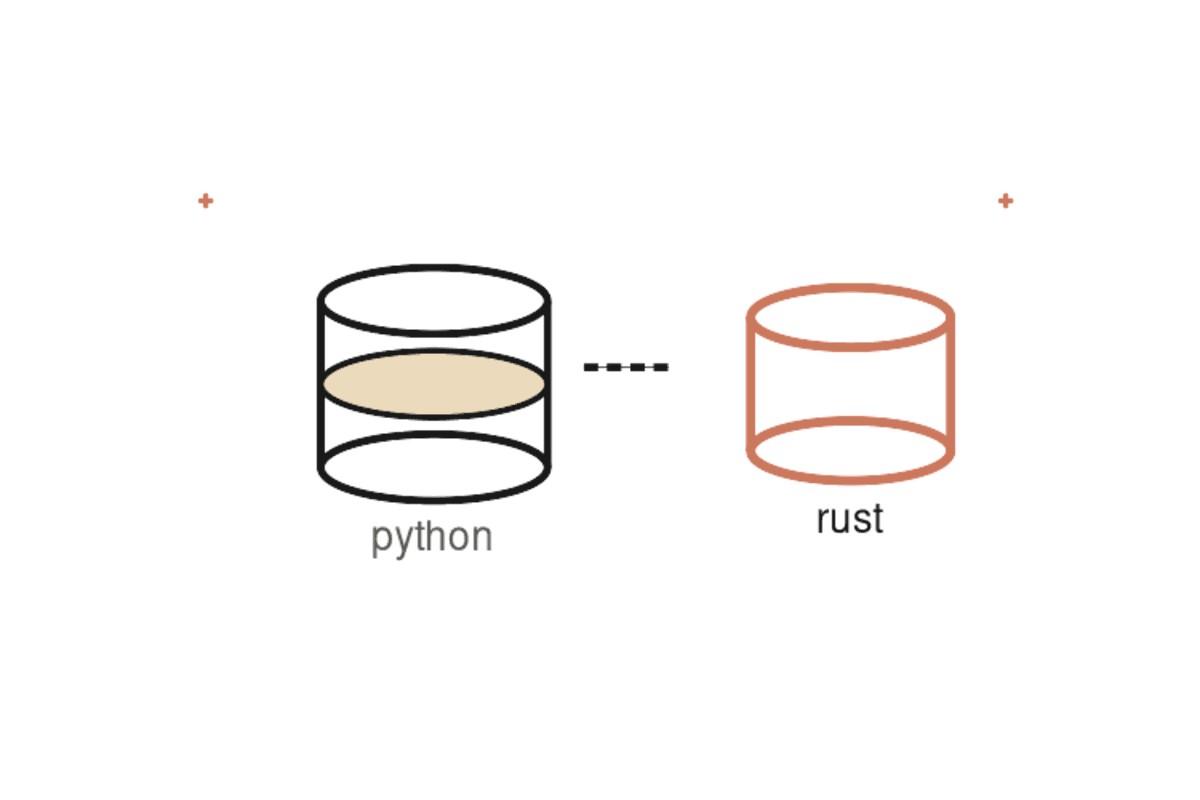
According to OpenAI's own account, yes: two engineers completed the Python-to-Rust migration in a single quarter, with the resulting service reported as 6 times more CPU-efficient and 15 times more memory-efficient than the Python version. That's OpenAI's own reported outcome from its own engineering team, not an independently audited benchmark, but the underlying claim, that a small team using an AI coding assistant can execute a large, high-stakes infrastructure migration that would previously have needed a much bigger team, is consistent with what Claude Code customers are already reporting on their own multi-repo migrations and large refactors.
Why This Matters More Than the Rust Numbers
The story validates a pattern, not a product: a small, senior team plus an agentic coding tool taking on a migration that used to require headcount most AU businesses don't have.
It's a useful data point when a client or a board asks whether AI coding tools are ready for genuinely critical infrastructure, not just boilerplate and small features.
It says nothing about which vendor's tool is better at this kind of work. OpenAI ran this migration with its own tools on its own codebase; there's no independently run comparison against Claude Code on the same task.
What OpenAI reported versus what a Claude Code migration project looks like
| Aspect | OpenAI's Habitat rewrite | A typical Claude Code migration project |
|---|---|---|
| Team size | 2 engineers | Often 1 to 3, depending on scope |
| Scope | Full storage service, Python to Rust | Multi-repo API retirements, framework upgrades |
| Verification | OpenAI's own reported metrics | Client's own tests and code review, same as any migration |
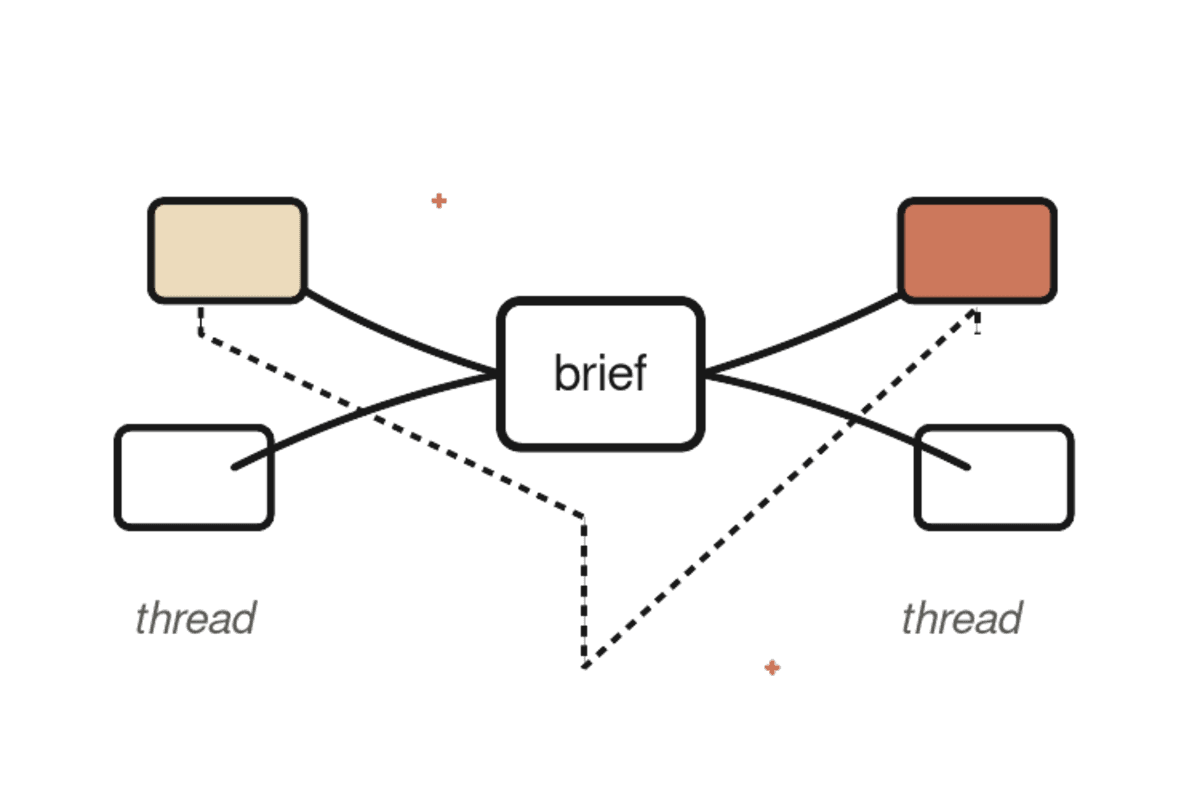
| Coordination model | Single team, internal tooling | Coordinator plus parallel threads (see our Claude Code projects piece) |
The production tuning detail in OpenAI's post is worth a moment on its own, separate from the AI-rewrite headline. A LIFO-versus-FIFO connection pooling choice causing a metastable failure under load is the kind of problem that only shows up at genuine scale, and OpenAI's willingness to publish it, including the parts that went wrong before they fixed them, is a reasonable signal about engineering maturity. When an AU business is evaluating any AI vendor's platform, that same signal is worth looking for: does the vendor talk about the failure modes it has actually hit, or only the headline numbers? A team that only publishes wins tends to be the one you find out about the failure modes from the wrong side.
What an AU Engineering Team Should Take From This
Don't read this as "buy the AI coding tool and cut headcount." Read it as evidence that the constraint on tackling a large, overdue infrastructure project has shifted. An Australian business sitting on a migration it has quoted at, say, $120,000 in contractor time because nobody has the bandwidth to start it, now has a genuinely different cost equation to run, not because the AI does the whole job unsupervised, but because a smaller senior team with the right tool can plausibly own scope that used to need a much bigger one. The two engineers on Habitat still designed the migration, reviewed the output and owned the result. That's the model to plan around, not full automation.
If your team is weighing a Claude Code pilot for a real migration or infrastructure project rather than a toy task, that scoping conversation, what to hand over, what stays human-reviewed, and how to size the team, is exactly what we help AU businesses work through. Have a look at our services, read our piece on how Claude Code's redesigned projects model handles parallel work, or get in touch to talk through your own migration.