Most Australian businesses do not have a complaint problem. They have a complaint response problem. The complaints arrive, someone reads them, and then the reply sits in a drafts folder for two days because the person who has to write it is also doing three other jobs. By the time the customer hears back, a small irritation has grown into a formal dispute.
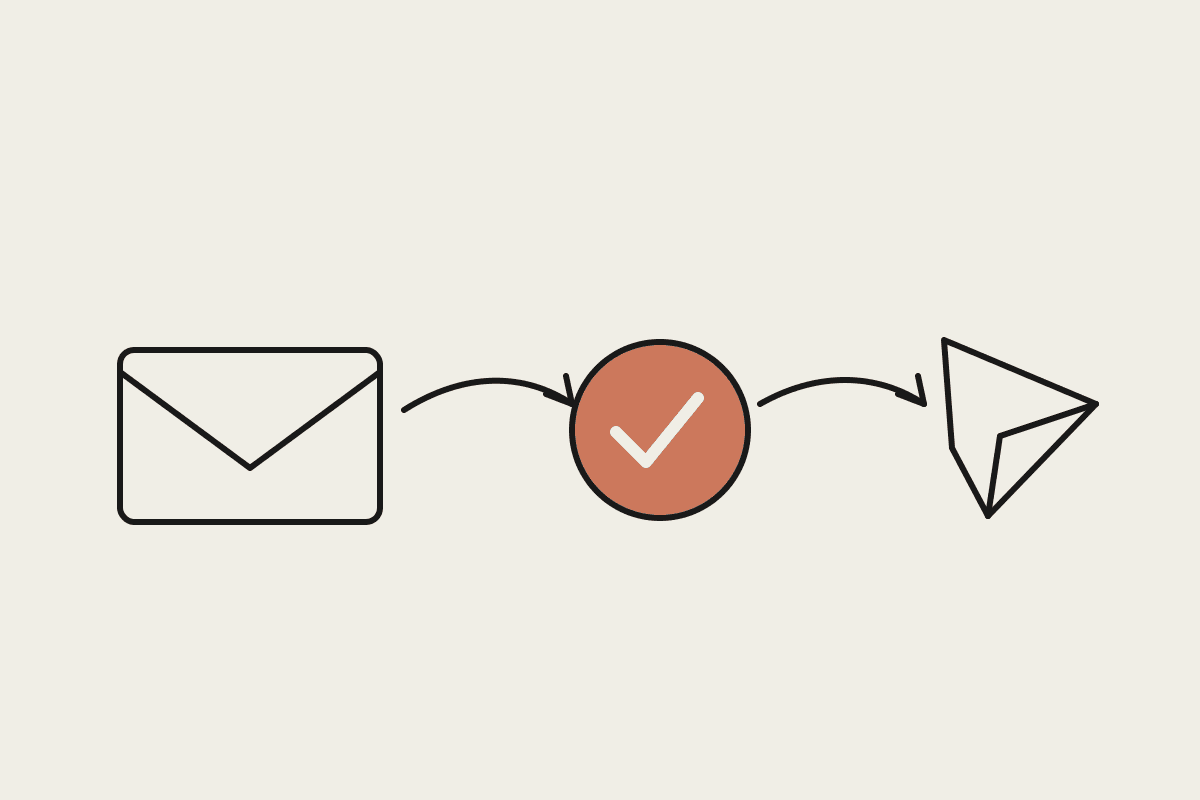
Claude changes the timing of that response without taking the human out of the decision. The pattern we set up for clients is simple to describe and safe to run: Claude drafts the reply, a person approves it, and only then does it send. Draft, approve, send. The customer gets a fast, accurate, on-brand response, and the business keeps full control of what goes out under its name.
Why complaint handling breaks down
Complaint handling fails in predictable ways, and almost none of them are about the writing itself. The common failure points we see across Sydney and Melbourne service businesses look like this:
Speed. The first reply is late because it sits in a queue behind billable work, and lateness itself becomes a second complaint.
Consistency. Two staff answer the same issue in two different tones, one apologetic and one defensive, and the customer notices.
Record-keeping. The reply gets sent from a personal inbox and never makes it into the case file, so there is no trail when the matter escalates.
Escalation blindness. Nobody flags that a routine complaint is actually a legal or safety issue until it is too late to handle it quietly.
Each of these is a process gap, not a talent gap. Your team can write a good apology. What they cannot reliably do is write it within the hour, every time, for every channel, while keeping a clean record. That is the specific job Claude is good at.
The draft, approve, send pattern
The workflow has three stages, and the boundary between them is where the safety lives.
Draft
Claude reads the incoming complaint along with the context that matters: the customer's history, the relevant policy, the order or account record, and your house tone. It produces a reply that acknowledges the specific issue, states what will happen next, and sets a realistic timeframe. It also writes a short internal note classifying the complaint, for example a billing dispute, a service delay, or a potential compliance matter, so the right person sees it.
Approve
A staff member reads the draft. This is the step we never remove. The reviewer can accept it, edit a line, or reject it and ask for a different approach. Because the draft is already 90 percent right, approval takes seconds rather than the ten minutes a cold start would need. The reviewer is making a judgement call, not doing data entry.
Send
Only after a human approves does the message go out, and a copy lands in the case record automatically. Nothing is sent on autopilot. If you want a further guard, high-value or high-risk complaints can require a second approver before send.
What keeps the regulator comfortable
If you are in financial services, complaint handling is not just good manners, it is a regulated obligation. ASIC's Regulatory Guide 271 sets internal dispute resolution standards, including a maximum response timeframe, and unresolved matters can go to the Australian Financial Complaints Authority. A single case that reaches AFCA carries a dispute fee, and repeated late responses invite scrutiny you do not want.
The draft, approve, send pattern helps you meet those obligations rather than skirt them. Every complaint is logged with a timestamp, the response clock is visible, and the human approval step means a person is always accountable for what was said. On privacy, Claude works within the boundaries you set under the Australian Privacy Act: it sees only the customer data you route to it for that reply, and you decide what is retained. Your case history stays in your own systems.
What it costs and what it saves
Run the numbers on the manual version first. A mid-size firm fielding 40 complaints a week, at roughly 25 minutes of skilled time per full response, is spending close to $45,000 a year in staff hours on complaint replies alone. That figure ignores the cost of the ones that escalate because they were answered late.
With Claude drafting and a person approving, the same volume takes a fraction of that time, because the expensive part, the blank-page start, is gone. The reviewer spends about a minute per complaint instead of twenty-five. For most clients the software and setup cost is a small share of the time saved in the first quarter, and the larger return is fewer disputes reaching a formal stage where a single AFCA matter or a lost customer costs far more than $5,000.
Getting started
You do not need to rebuild your help desk to run this. The draft, approve, send pattern sits on top of the inbox, ticketing tool, or CRM you already use. We usually start with one complaint category, prove the response time and the tone, then widen it channel by channel once your team trusts the drafts.
If you handle enough complaints that speed and consistency have become a real cost, this is a contained, low-risk place to put Claude to work. Book a short brainstorm and we will map your current complaint flow and show you where the draft, approve, send pattern fits.