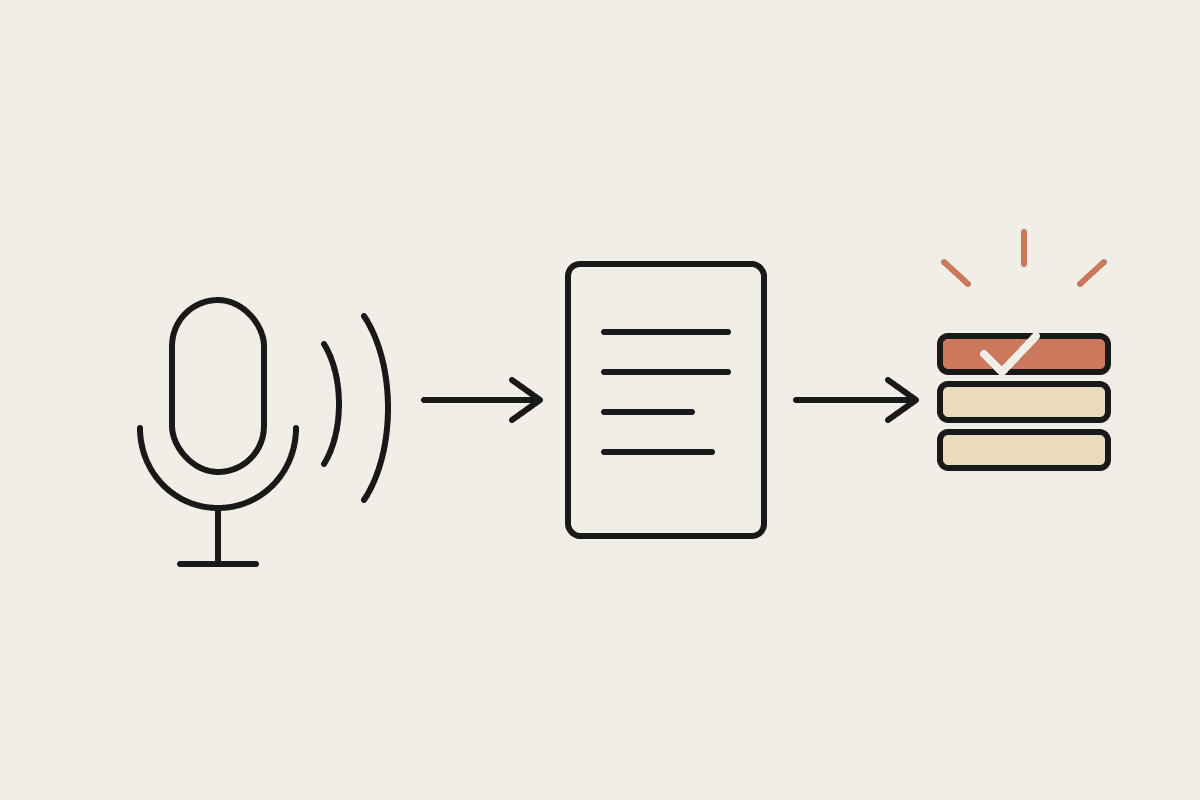
A franchise network's hardest ongoing operational problem isn't usually strategy, it's consistency: getting forty or eighty individually-run locations to actually follow the same customer-facing standards, the same reporting cadence, and the same compliance checklist, when every location has its own owner-operator with their own priorities and their own definition of "close enough." This is about Claude Cowork's role in that consistency problem specifically, across franchise operations generally, not any one franchised vertical.
Where consistency actually breaks down across a network
This is a genuinely Australian franchise-market problem as much as a global one; the sector has grown fast across retail, food service, and trades in Australia over the past decade, and a lot of that growth has outpaced the operational tooling most networks run to actually enforce consistency, leaving head office relying largely on goodwill and an annual audit to catch drift that's really happening every week.
Head office can write a beautifully detailed operations manual, but a manual only helps a franchisee who reads it at the moment they need it, and most don't, defaulting instead to whatever their own instinct or a hurried phone call to another franchisee tells them in the moment. The gap between documented standard and actual daily practice widens quietly, location by location, until an audit or a mystery-shop report reveals just how far some locations have drifted.
A Cowork skill built from the actual operations manual, answering a franchisee's specific procedural question on demand
Standardised weekly reporting pulled the same way from every location, not self-reported in whatever format each franchisee prefers
Compliance checklist tracking that flags a location falling behind before it becomes a mystery-shop failure
A consistent customer-response template library, so brand voice doesn't drift location by location
Rolling this out without it feeling like head-office overreach
Franchisees, reasonably, resist anything that feels like head office micromanaging their independently-run business, so the framing that lands best positions Cowork as a tool that makes the franchisee's own life easier, faster answers to procedural questions, less manual reporting work, rather than a surveillance layer reporting every action back to head office. Getting a handful of respected, early-adopter franchisees genuinely on board first, and letting their word carry the rollout to the rest of the network, works considerably better than a head-office mandate alone.
A national retail franchise with sixty-two locations had been running an annual mystery-shop audit that consistently found roughly a third of locations non-compliant on at least one customer-facing standard, despite a comprehensive, well-written operations manual every franchisee had signed off on receiving. Rolling out a Cowork skill built directly from that manual, answering franchisees' actual procedural questions on demand rather than sending them back to a two-hundred-page PDF, brought the following year's non-compliance rate down to under ten percent, and head office estimated the improvement was worth roughly $85,000 a year in reduced brand-damage risk and fewer customer complaints escalated to head office directly.
Measuring the network-wide effect, not just anecdotes
A handful of enthusiastic franchisee testimonials feels like proof the rollout is working, but the number that actually matters is the network-wide compliance and consistency metric measured the same way before and after, since anecdote alone can mask a rollout that's working brilliantly for the vocal early adopters while quietly failing to move the needle across the rest of the network.
Keeping the rollout genuinely opt-in at first
Mandating Cowork adoption across every location on day one tends to generate resentment that outlasts the tool itself; a voluntary early-adopter phase, with results shared transparently back to the wider network once they're genuinely good, builds the case for wider adoption far more durably than a top-down rollout ever manages on its own.
Handling franchisee-specific local variation properly
Not every deviation from the standard manual is a compliance failure worth flagging identically; a location genuinely adapting a display layout to a smaller physical footprint is different from a location skipping a food-safety check, and the skill built from the operations manual needs to distinguish acceptable local adaptation from genuine non-compliance rather than treating every variation as equally serious. Getting this distinction right from the start avoids the skill crying wolf on harmless local variation and losing franchisee trust as a result.
What this isn't
This is about franchise operational consistency broadly, distinct from the accounting-specific piece on bookkeeping franchises already covering trust and compliance consistency for that specific vertical; this is aimed at retail, hospitality, and service franchise networks generally.
Automata AI rolls out Cowork consistency tooling for Australian franchise networks, starting with a skill built from your actual operations manual. Get in touch via /contact and tell us your current mystery-shop compliance rate.
Related reading
The end-to-end walkthrough lives in our Claude Cowork setup guide. Closest neighbours to this piece: