Support Coordinators sit in a different seat to NDIS providers, and it is worth being precise about that because most AI-for-NDIS content online is written for the provider side: rostering, service delivery, progress notes for direct supports. A Support Coordinator's job is different. You are not delivering therapy or personal care. You are helping a participant use their plan, connecting them to the right providers, resolving problems when supports break down, and reporting back to the NDIA on Coordination of Supports line items specifically, not on service delivery.
Where the coordinator's paperwork load actually sits
The bulk of a coordinator's admin time goes into two things: contact notes after every participant interaction (calls, meetings, provider liaison, crisis support) and claims against the Coordination of Supports budget line, which the NDIA scrutinises differently to service-delivery claims. A missed or vague contact note is a bigger problem for a coordinator than for a direct-support worker, because it is often the only record that coordination work happened at all. There is no service log or roster entry to fall back on.
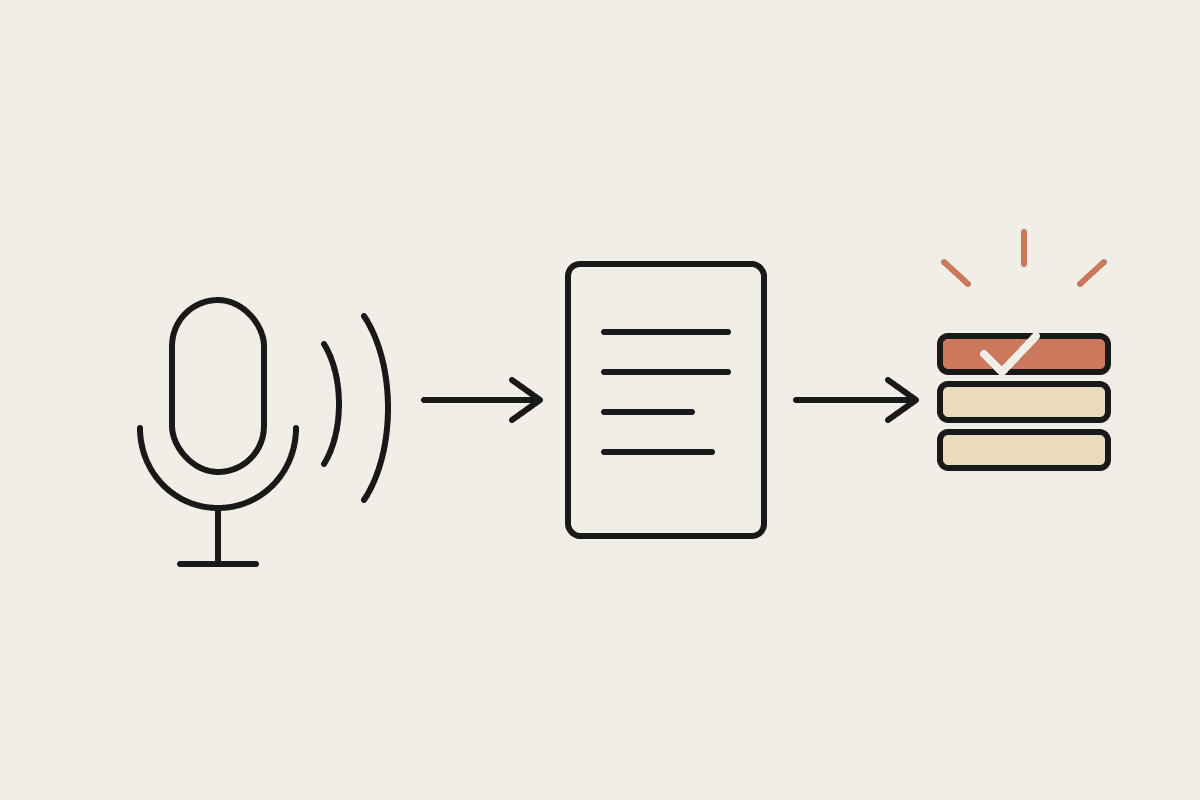
Contact notes drafted from a coordinator's own shorthand straight after a call or visit
Claims matched to the correct Coordination of Supports item number before submission
A running summary per participant that flags when hours are tracking over or under budget
Provider-liaison emails and referral letters drafted from the coordinator's notes, not written from scratch
How Cowork fits the coordinator's week
In Claude Cowork, the practical setup is a connector into whatever case-management or email system the coordination business already uses, plus a short daily or weekly scheduled task that reviews open participant files for notes that are overdue or claims that have not been lodged. A coordinator dictates or types rough notes after each interaction, Cowork turns that into a properly formatted contact note in the house template, and flags it for a quick review before it is saved. That is a materially different workflow from a provider's rostering-and-service-log setup, and building it as though it were the same thing is why some coordination businesses have tried an AI tool built for providers and found it did not fit.
A Perth-based coordination practice with four coordinators managing roughly 140 active participants estimated the note-writing and claims-matching admin at around 8 hours per coordinator per week before automating the first draft step. At an average coordinator rate, that is close to $85,000 a year across the team in admin time that is not billable coordination work. Getting that down even by half changes what a small practice can take on without adding headcount.
Setting expectations with the NDIA in mind
Coordination of Supports is one of the most audited line items in the scheme, so the note-and-claims record needs to hold up to scrutiny on its own. The practical safeguard is to have Cowork draft against a fixed template that mirrors what a reasonable NDIA reviewer would expect to see: date, duration, participant goal referenced, and outcome. A draft that skips any of those fields should get flagged back to the coordinator rather than saved silently, and that flagging step is worth building in from day one rather than retrofitting after an audit query.
The connector side of the build
Most coordination practices in Australia run on one of a handful of case-management platforms, and the Cowork connector needs to read and write against whichever one your practice already uses rather than asking staff to duplicate data entry into a second system. That's usually the longest part of the setup, not the note-drafting logic itself, and it's worth budgeting a proper discovery session for it rather than assuming a generic template will fit. A coordination practice's file structure, participant goal categories, and claim item mapping are specific enough that a one-size template rarely survives contact with a real caseload.
What this isn't
This does not replace clinical or professional judgement about a participant's needs, and it does not submit claims automatically without a human checking them against the plan. Coordination of supports claims still need a coordinator's sign-off, both because the NDIA expects it and because getting an item code wrong triggers exactly the kind of audit flag a small practice can do without. Treat it as a drafting and tracking layer under a coordinator who is still making every substantive call.
If you run a Support Coordination practice and the note-and-claims admin is eating into billable hours, Automata AI can set up the Cowork connector and template for your specific case-management system. Reach out through /contact for a scoped look at what it would take.
Related reading
The end-to-end walkthrough lives in our Claude Cowork setup guide. Closest neighbours to this piece: