Most teams meet Claude as a chat window. You ask, it answers, and the knowledge of how your business actually runs stays locked in someone's head. Cowork skills change that. A skill is a written procedure that Claude reads and follows, so the agent stops guessing and starts doing the task your way, every time. For Australian businesses running repeatable back-office work, that is the difference between a helpful assistant and a reliable one.
What a Cowork skill actually is
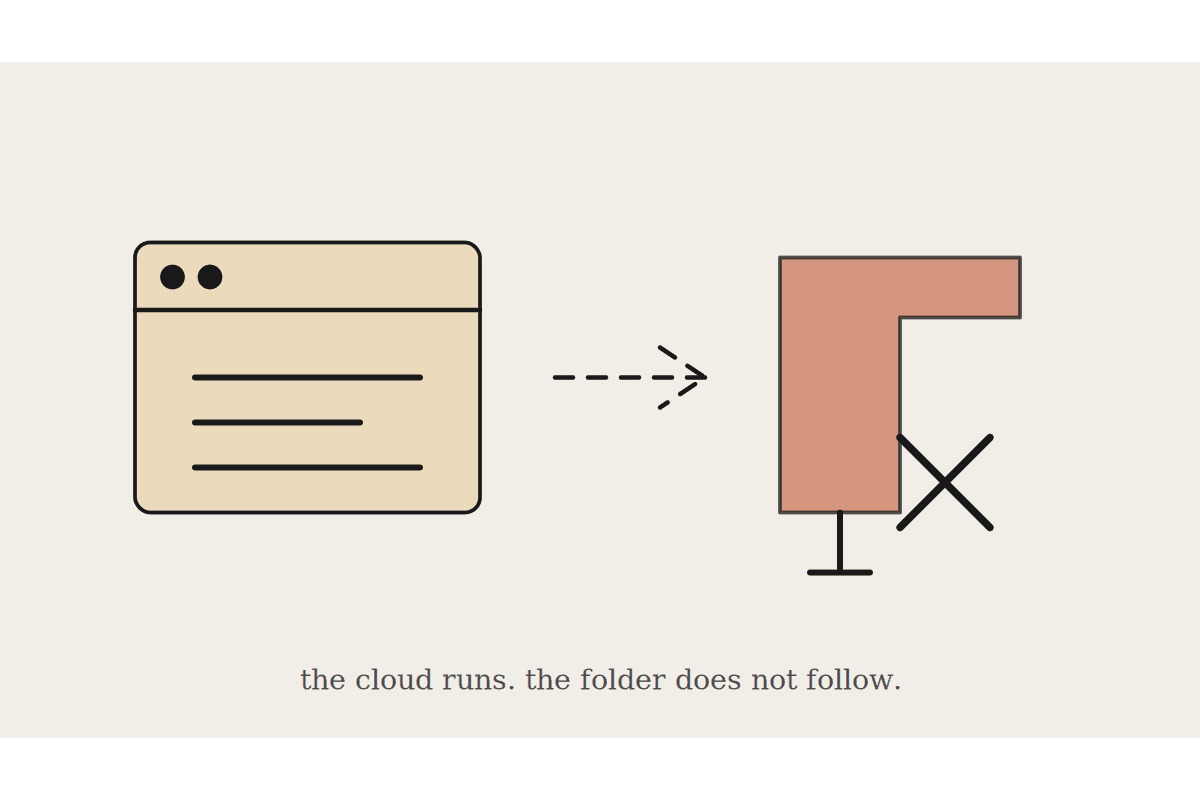
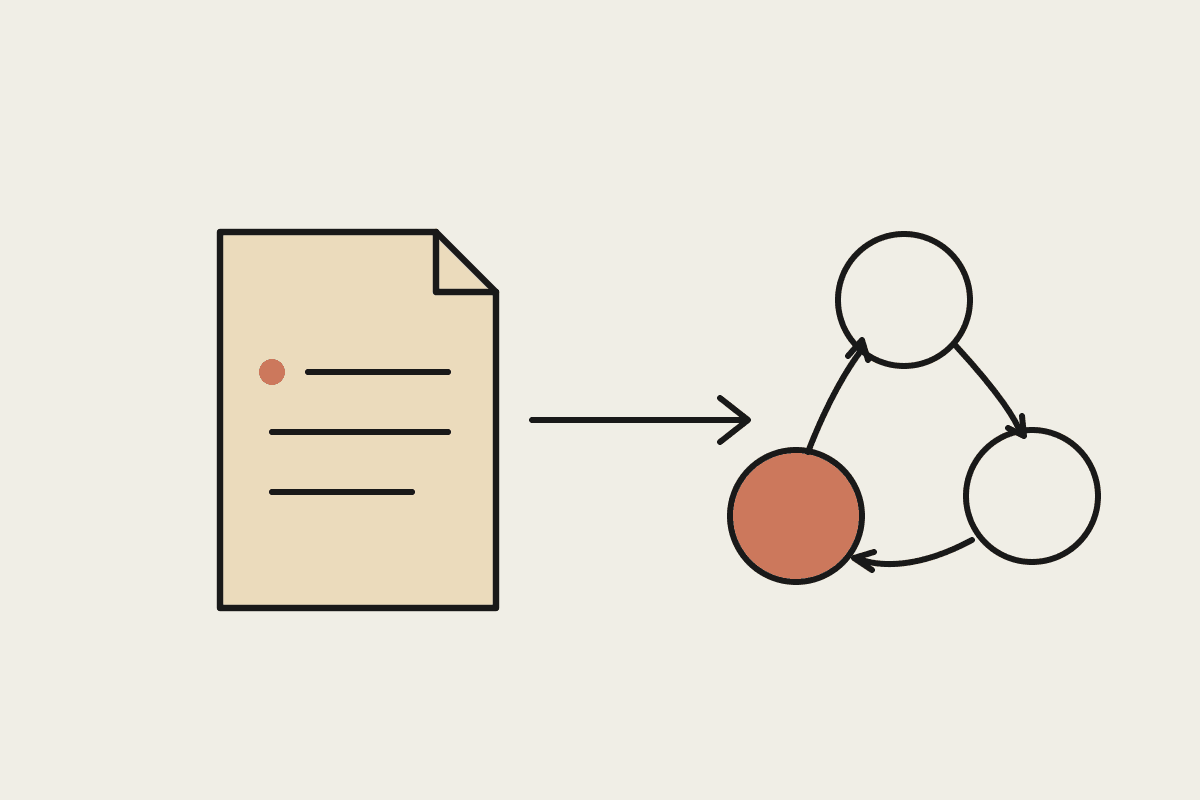
A skill is a plain-text file, usually named SKILL.md, that sits in a folder Claude can read. It holds a short description of when the skill applies and a set of instructions for carrying it out. When you ask Claude to do something that matches the description, it loads those instructions and works through them in order. There is no code to deploy and no model to train. You write the procedure once, in the same language you would use to brief a new staff member, and Claude follows it.
A skill that earns its place usually contains four things:
A trigger description so Claude knows when to reach for it, for example: use this when reconciling the monthly bank statement.
The exact steps, in order, including where the files live and what a finished result looks like.
The rules that matter: which figures to double-check, which fields are mandatory, and what to never touch.
A worked example or template so the first run has something to copy.
Why written procedures beat clever prompts
A one-off prompt lives and dies in a single conversation. The next person who needs the same task rewrites it from scratch, slightly differently, and the results drift. A skill is institutional memory you can version and share. When your month-end process changes, you edit one file and every future run picks up the change.
This matters most for compliance-sensitive work. An Australian firm handling client data under the Privacy Act cannot afford a process that behaves differently depending on who asked and how they phrased it. A skill gives you one documented way of working that the whole team can point to.
Anatomy of a skill that works
Start with the trigger
The description is the most important line. Claude uses it to decide whether the skill is relevant, so write it the way you would label a folder. Vague triggers get missed; overloaded triggers fire on the wrong task.
Write the steps for a capable stranger
Assume the reader is competent but has never seen your business. Name the files. State the order. Say what done looks like. If a step needs judgement, give the rule, not just the goal.
Encode the guardrails
Every real procedure has a few things that must never happen. Put them in the skill as explicit boundaries: never send an invoice without a purchase order number, never overwrite the master sheet, always flag anything above a set threshold for a human to check.
A worked example
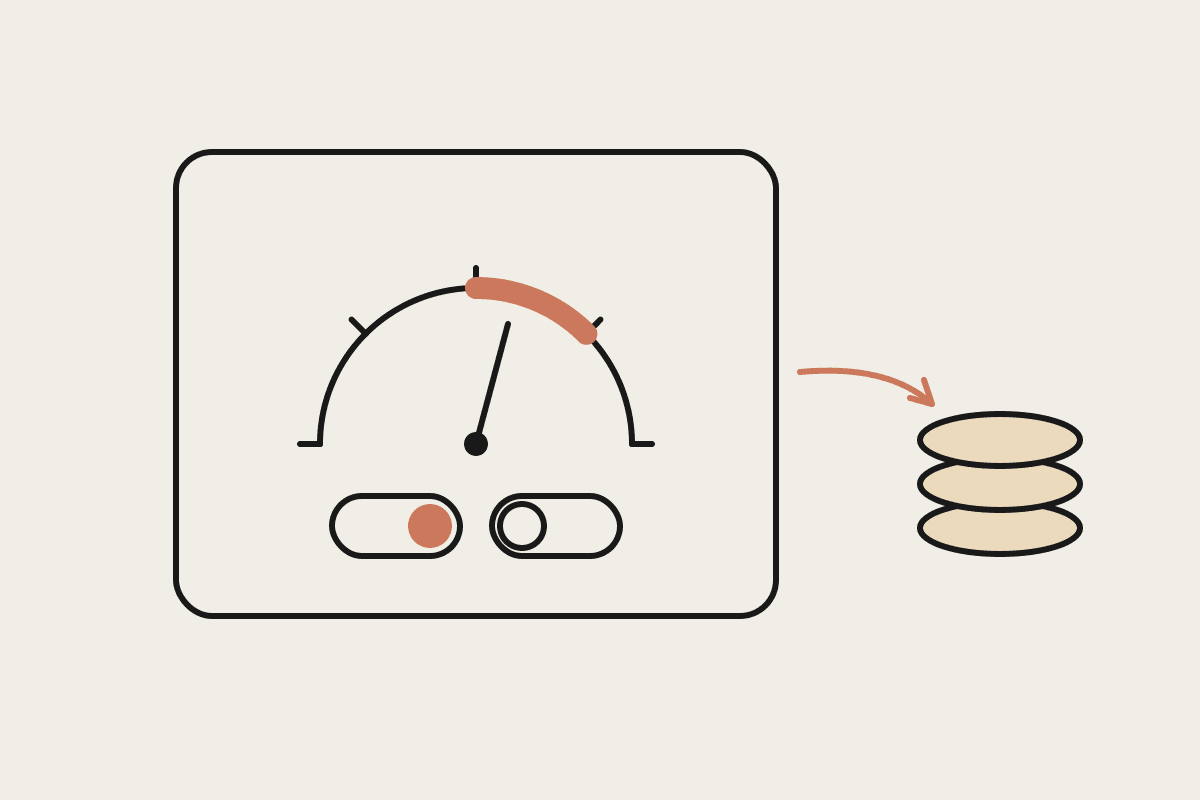
Consider a five-person accounting practice in Sydney that spends roughly eight hours a week on month-end reconciliation. At a blended rate of around $120 an hour, that is close to $45,000 a year of billable time spent on a task that barely changes month to month. A single skill can capture the whole routine: pull the bank feed, match it against the ledger, flag the exceptions, and draft the summary the partner signs off. Claude does the matching and the first-pass summary; the partner reviews the exceptions. The procedure that used to live in one senior bookkeeper's memory now lives in a file the whole team can read, edit, and improve.
What the firm gains from that one file:
Consistency: the reconciliation runs the same way whether the bookkeeper is on leave or not.
A training asset: a new hire reads the skill and understands the process on day one.
An audit trail: the steps are documented, which helps when an external reviewer asks how a number was produced.
Skills, connectors, and scheduled tasks
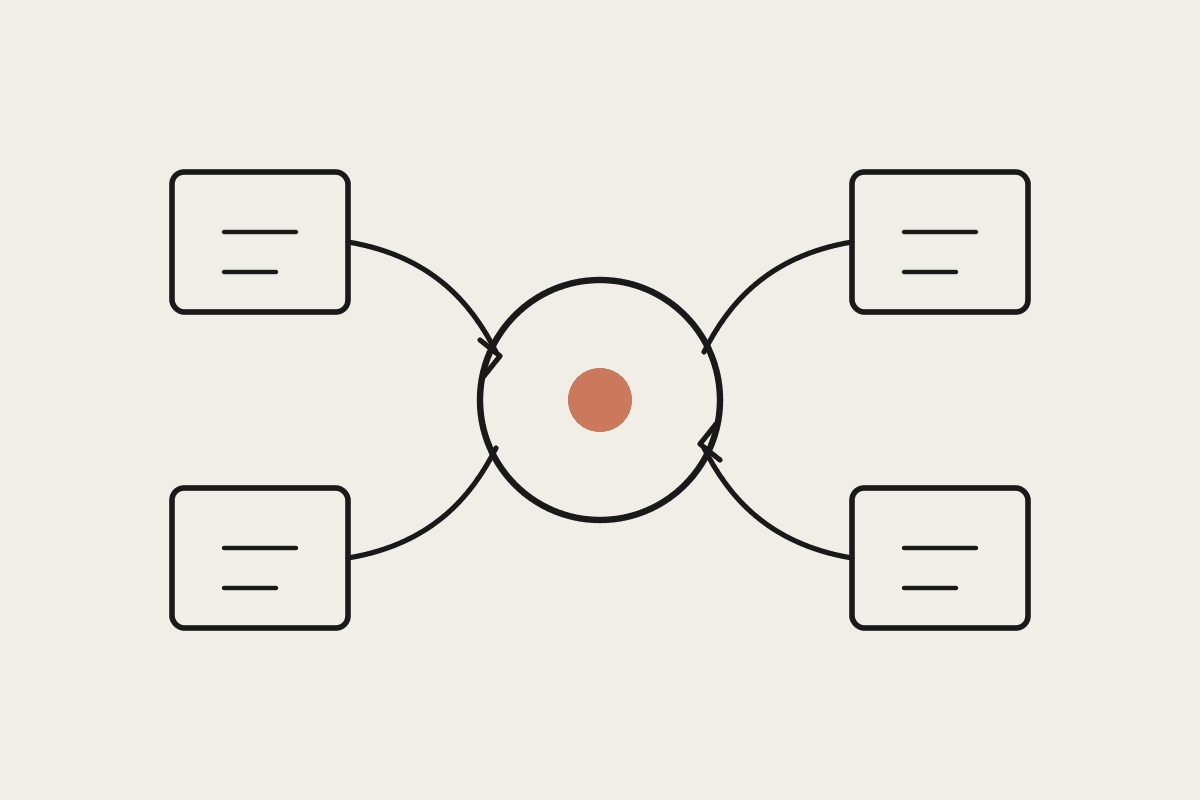
A skill describes the procedure. Two other pieces make it run on its own. Connectors give Claude access to the tools the procedure touches, such as your accounting system, email, or a shared drive. Scheduled tasks fire the skill on a cadence, so the Monday reconciliation or the Friday report happens without anyone remembering to ask. Written together, these three parts turn a manual routine into something closer to a quiet colleague who never forgets the steps. Skills are the part you own and control, which is why they are the right place to start.
Where teams get skills wrong
Writing an essay instead of a procedure. Claude follows instructions, not inspiration, so keep it concrete.
Burying the trigger. If the description is fuzzy, the skill never fires when you need it.
Skipping the guardrails, then wondering why the agent touched something it should not have.
Never revisiting the file. A skill is a living document; review it when the underlying process changes.
How to start
Pick one task your team does every week that follows the same shape each time. Write down how you do it, in order, as if you were training someone new. Save it as a skill, run it, and fix the file wherever Claude went sideways. Within a few iterations you will have a procedure that runs reliably and a template for the next one. If you would rather have the first few skills written and tested alongside you, that is the kind of work we do every week with Australian teams. Book a short call and we will map your first three.
Keep going
For the full setup path, see the Claude Cowork setup guide. Related on this topic: