OpenAI's own finance team recently published lessons from rebuilding their internal finance function around AI-native workflows, rather than bolting AI onto processes designed for a spreadsheet era. It's a useful signal: when a frontier AI lab's own finance team says the shift from adding AI to existing processes toward redesigning around it is where the real gains sit, that's evidence the pattern applies well beyond Silicon Valley, including to an AU business running on Xero rather than custom internal tooling.
What AI-native actually means versus AI-bolted-on
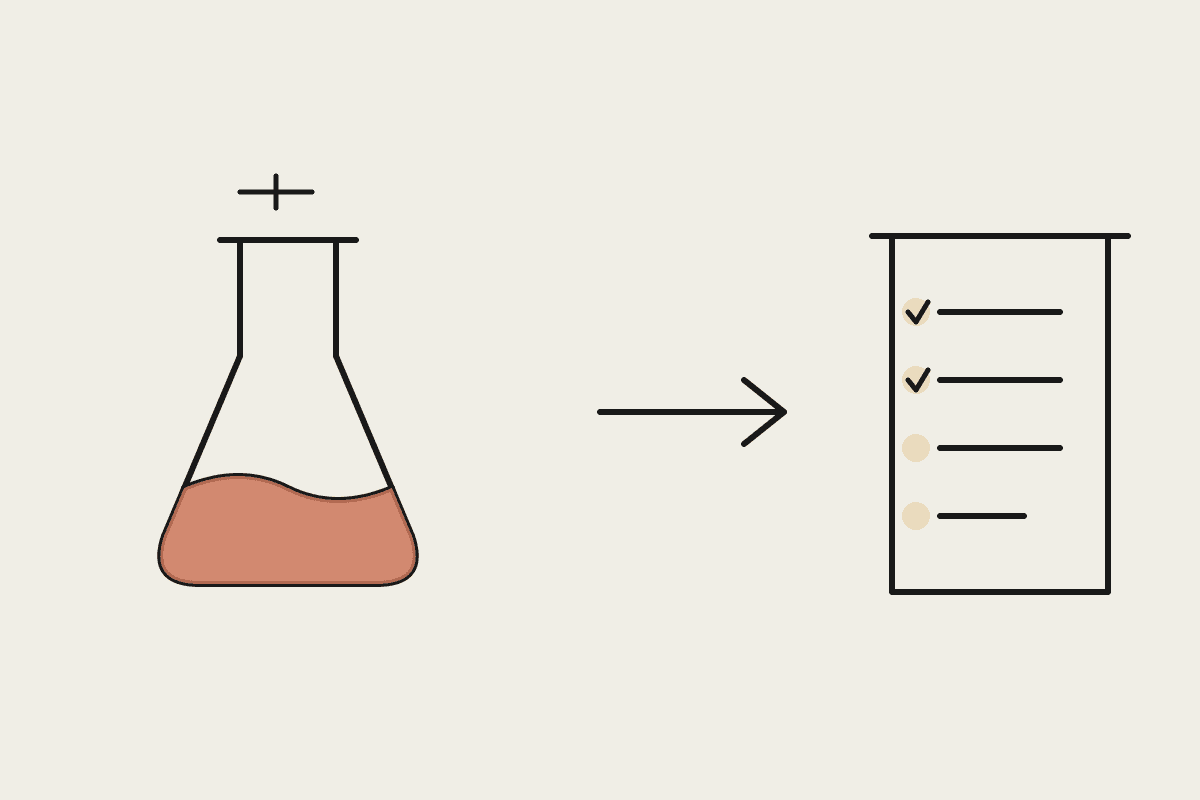
Bolting AI onto an existing finance process usually looks like using a chatbot to draft an email faster or summarise a report someone still has to compile manually. AI-native means redesigning the workflow itself: reconciliation that runs continuously rather than monthly, accounts payable that gets matched and flagged automatically with only exceptions reaching a person, reporting that compiles itself from live data rather than a spreadsheet someone rebuilds every month.
What this looks like for an AU SMB on Xero
Bank feed reconciliation with automatic matching, only genuine exceptions surfaced for a bookkeeper to review, not every transaction
Accounts payable matching purchase orders, delivery records and invoices, flagging discrepancies rather than requiring manual three-way checks
Accounts receivable follow-up drafted and staged from aged receivables data, rather than someone manually reviewing a report each week
Monthly reporting compiled from live Xero data rather than rebuilt by hand each cycle
Where the redesign, not just the tool, matters
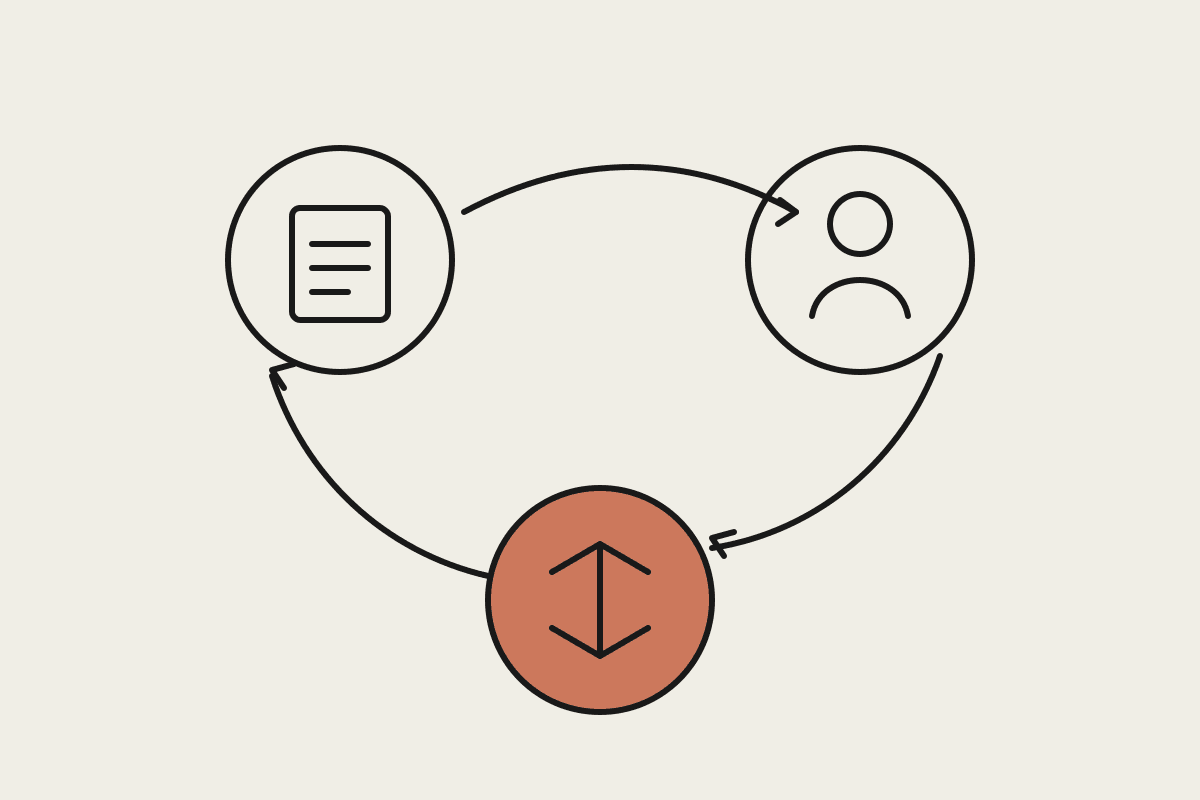
The businesses that get real value from this aren't the ones that added a chatbot to their existing process, they're the ones that asked what the process should look like if a person only needed to handle exceptions rather than every transaction. That's a genuine redesign question, not a tooling question, and it's exactly the gap between assistance and execution that shows up across every function, finance included.
A worked example
A Brisbane professional services firm redesigned its accounts payable process around Claude reading incoming supplier invoices, matching them against purchase orders in Xero, and flagging only genuine mismatches for the finance manager to review. The firm reported the finance manager's AP-related time dropped from roughly 10 hours a week to under 3, worth close to $18,000 a year in reclaimed capacity redirected toward the analysis work the role was originally meant to focus on.
What we deliberately don't cover here
This is a tooling and workflow discussion, not tax advice. Whether a specific transaction is deductible, how to classify something for BAS purposes, or STP compliance questions all need a qualified bookkeeper or accountant's judgment, not an AI-native process redesign. The value here is in the mechanics around those decisions, not the decisions themselves.
Starting point matters more than ambition
Firms that try to redesign their entire finance function in one pass tend to stall. The ones that succeed usually start with one high-volume, repetitive process, AP matching is a common first choice, prove it out, then extend the same redesign thinking to the next process once the first is running reliably.
Why this resonates coming from inside a frontier lab
It's worth noting the signal value here: a company built entirely around AI, with presumably the deepest internal AI expertise available, still found value in deliberately redesigning its finance workflows rather than assuming the tooling alone would transform anything. That's a useful data point against the idea that simply adopting a capable model is enough without also rethinking the process it sits inside.
A quick audit you can run today
Time how long your monthly reconciliation and reporting cycle actually takes this month, start to finish. Most firms that haven't redesigned the process are surprised by the total once it's actually measured rather than estimated from memory.
What this isn't
This isn't tax, BAS or STP compliance advice, and nothing here should be read as a substitute for your accountant or registered BAS agent's judgment on those questions. It's a discussion of workflow and tooling design, kept deliberately separate from the compliance decisions that sit with a qualified professional.
Getting started
Pick your highest-volume, most repetitive finance task as the first redesign candidate
Map what the process would look like if a person only touched genuine exceptions
Connect Claude to your actual Xero data rather than working from static reports
Keep tax and compliance decisions with your accountant or BAS agent throughout
The gap between AI-assisted and AI-native rarely closes on its own, it takes a deliberate decision to redesign a process rather than just accelerate the existing one, and that decision is usually worth making sooner rather than after another year of the old process.
If your finance function is running AI-assisted but not AI-native yet, that's usually where the bigger gains are still sitting. Get in touch: https://www.automataai.com.au/contact