Anthropic shipped MCP, the Model Context Protocol, eighteen months ago as the open specification for connecting AI agents to the rest of an enterprise software stack. This week OpenAI followed and added partner-built MCP connectors to ChatGPT Enterprise and Edu workspaces. If your Australian business is building anything on Claude today, that is good news dressed up as competitor news. The MCP servers your team writes against Claude are now the same MCP servers you can point at GPT tomorrow, or at any future agent client that ships.
The headline most people will read is that OpenAI is catching up on integrations. The more interesting reading is that the protocol Anthropic published has crossed the threshold into industry standard. That changes the shape of the AI investment calculus for every AU mid-market CIO sizing up an agent program in 2026.
What OpenAI actually shipped
ChatGPT Enterprise and Edu workspaces now carry partner-built MCP access connectors for Amplitude, Fireflies, Vercel, Monday.com, Stripe, Hex, Egnyte, Alpaca, BioRender, Semrush, and Jam.dev. Updated apps for Box, Notion, Linear, and Dropbox shipped at the same time, picking up new app actions and write capabilities where the underlying platforms support them.
For context: MCP started inside Anthropic. The team published the specification, the SDKs, the inspector tooling, and the reference servers. The Claude desktop client was the first real-world host. Every public discussion of MCP through 2025 sat firmly in the Claude orbit. OpenAI adding a partner-built MCP catalogue is the strongest endorsement the protocol could have received from outside the Anthropic ecosystem.
Why MCP was always going to win the standard
For most of 2024 the AI integration market sat in an awkward state where every model vendor wanted you to wire your tools through its bespoke function-calling format. The same Stripe integration, written three times for three different model APIs, is wasted engineering. MCP solved that problem the way Language Server Protocol solved editor tooling fifteen years ago: standardise the wire format, let the models compete on reasoning, and let the tool builders ship once.
This is why Anthropic's decision to publish MCP as an open specification mattered more than the specification itself. A closed protocol would have gone nowhere. An open protocol where the originating vendor builds the first reference implementations and then waits for others to adopt is how durable standards have always spread in software. HTTP. SQL. POSIX. MCP is now walking the same path, and OpenAI's catalogue is the moment that path becomes obvious.
What this means for Australian businesses
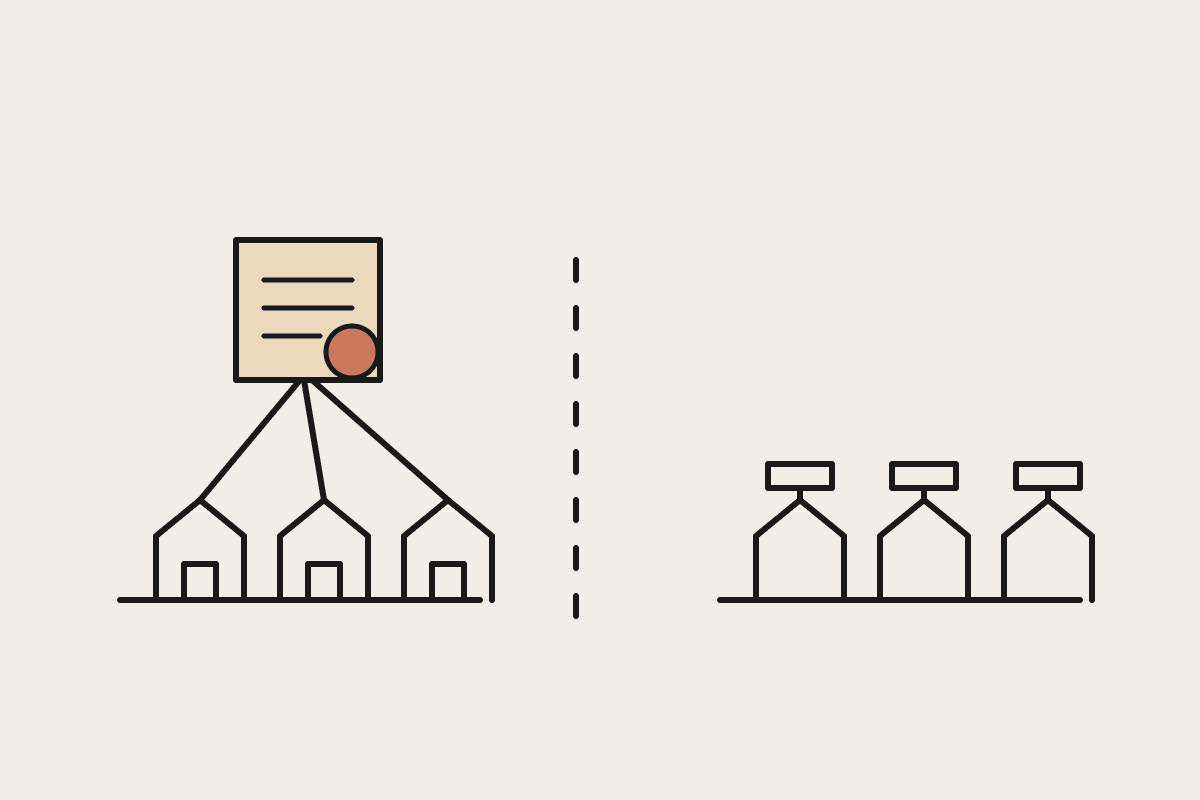
For any Australian business building custom AI capability, the practical takeaway is direct. The integration work compounds. A Sydney logistics company that writes an MCP server against its in-house Order Management System for use with Claude has now shipped that capability for every MCP-compatible host that exists or will exist. A Melbourne accounting practice that wraps its Xero workpapers in an MCP server for Claude Skills has the same surface area available to ChatGPT, Cursor, and the next generation of agent clients.
That is a fundamentally different shape of investment than the one most Australian mid-market CIOs are accustomed to seeing. Custom AI integration looked like vendor lock-in twelve months ago. It now looks like portable software. A 12-week MCP integration project that costs $85,000 today produces an asset that survives the next model migration, the next vendor renegotiation, and the next strategy refresh. The protocol is the durable bet, not the model.
Three patterns AU teams should adopt this quarter
Audit any existing AI integration written against a single vendor's function-calling format. The work to port it to MCP is usually a one-week task and unlocks portability across every host that matters.
For new builds, default to an MCP server over a direct API wrapper, even if you only plan to use Claude in the first deployment. Future-you will thank present-you for the optionality the day a second agent client lands in the business.
Where your tool surfaces sensitive data covered by the Privacy Act or APRA CPS 234, build the MCP server with explicit scope controls so different hosts inherit different permission sets. The audit story improves immediately.
What we are seeing in AU client work
Across the Automata AI engagement book this quarter, MCP servers have moved from "interesting prototype" to "default deliverable" on any project that involves agent work. A NSW logistics client shipped an MCP server against its dispatch board for use with Claude Code. Within four weeks the same server was running against an internal GPT-backed operations tool the team had already deployed. Zero rewrite. The original $45,000 build is now serving two distinct agent clients with one codebase.
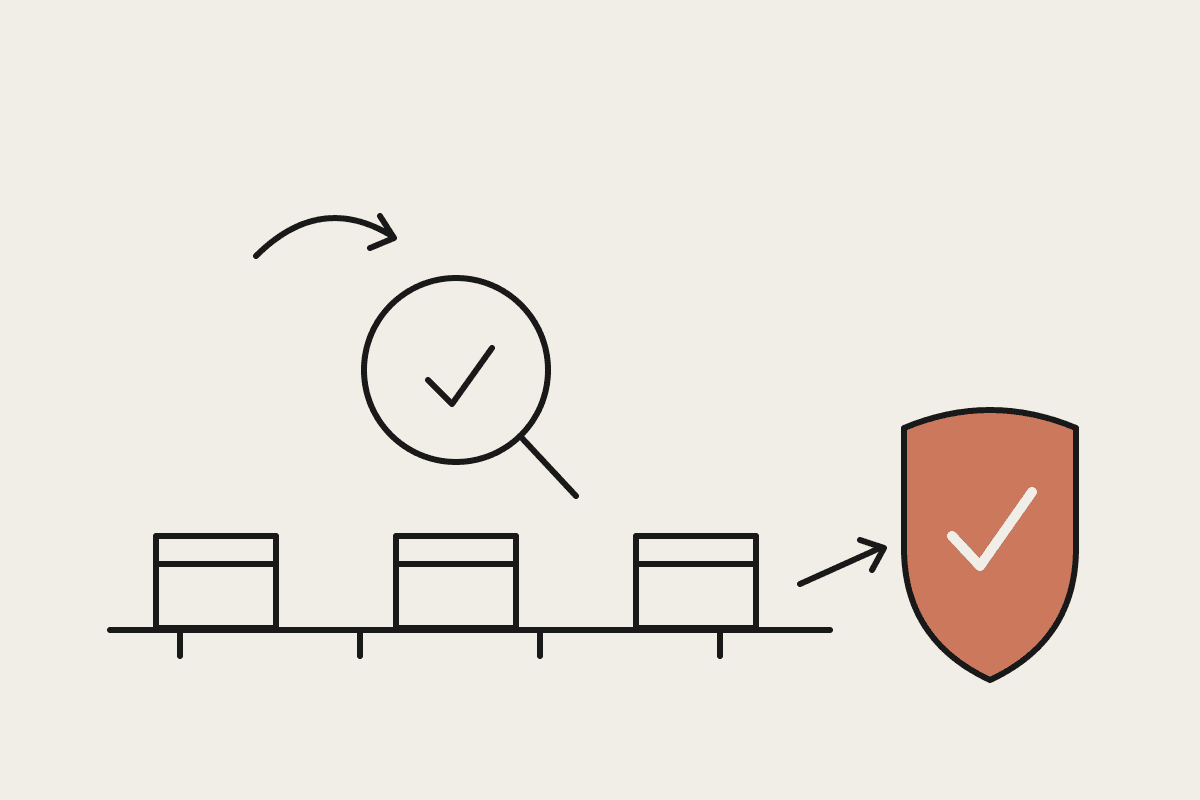
The same pattern is showing up in Sydney professional services. APRA-regulated firms that need agent access to compliance documents are choosing MCP servers over inline retrieval pipelines for one specific reason: the MCP boundary makes the audit story dramatically easier. The auditor inspects the server, reviews the tool surface, checks the scope controls, and signs off once. Whichever model client calls into that server inherits the audit posture.
The shape of the next eighteen months
Three things are likely to play out between now and the end of 2026. First, the public MCP catalogue will grow past 1,000 servers as enterprise vendors ship their own rather than wait for partners. Second, model clients beyond Claude and ChatGPT will adopt MCP across the IDE, desktop assistant, and operations tooling categories. Cursor and Cline already speak MCP. The rest of that landscape will follow within a couple of release cycles.
Third, MCP will start showing up in procurement language for Australian enterprise software. "Does this product expose its capabilities via MCP?" will sit alongside "does this product support SSO and SCIM?" as a baseline expectation on any RFP that lands in a CIO inbox. For SaaS vendors selling into the AU market, shipping an MCP server is going to move from optional differentiator to table-stakes faster than most product teams expect.
For Australian businesses still on the fence about a first agent build, the maths has shifted. The investment was always defensible on its own. It is now also portable across every model client that lands in the next decade. The Claude-first wedge our team backs is unchanged: lead with the strongest reasoning model available, ship the integration once against an open protocol, and keep the option to swap or add agent clients open.
Where to start
If your team is sizing up a first MCP integration and wants to talk through the build-vs-buy decision, the scope of the first server, or the AU-specific compliance angles around Privacy Act, APRA, and AUSTRAC obligations, book a brainstorm with us. Automata AI helps Australian SMBs and mid-market teams ship MCP servers that survive the model market, not just the current model.